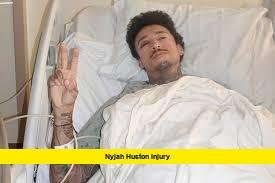

Nyjah Huston injury news continues to dominate headlines after the Olympic skateboarder suffered serious head and facial trauma during a street skating accident in Tempe, Arizona. The crash, which occurred during an independent skating session, resulted in confirmed fractures that have sidelined one of the most accomplished athletes in the sport and sparked renewed discussion about safety, longevity, and the physical cost of professional skateboarding.
This report presents a comprehensive look at the incident, Huston’s confirmed condition, and the broader implications for elite street skating, based entirely on verified information available today.
The Accident That Stopped the Session
The incident took place in early January 2026 in Tempe, a city frequently used by professional skateboarders for street filming and practice. During a session, Nyjah Huston attempted a high-difficulty rail trick, a common element in elite street skating that involves precision balance, speed control, and exact foot placement.
During the attempt, Huston lost control and fell heavily, striking his head and face against the ground. The impact was severe enough to require immediate emergency response. Paramedics arrived at the scene and transported him to a nearby hospital for urgent evaluation.
The session was not part of an organized competition. Like many professional skaters, Huston was skating independently, highlighting how serious injuries can occur even outside formal events.
Confirmed Injuries and Initial Treatment
Medical assessments confirmed that Huston sustained two major injuries:
- A fractured skull
- A fractured eye socket
Both injuries are classified as serious and require close medical supervision. Skull fractures demand careful monitoring due to the potential for neurological complications, while orbital fractures can affect vision, facial structure, and long-term comfort if not properly treated.
Images from the hospital showed Huston with visible swelling and bruising around the face. He was also photographed using a wheelchair during early treatment, underscoring the severity of the fall.
No additional injuries have been confirmed beyond those directly related to the head and face.
Recovery Becomes the Immediate Priority
Following the accident, Huston entered a recovery phase under medical supervision. Doctors have not released a public timeline for his return to skateboarding, and no competitive plans have been announced.
Head and facial injuries typically require extended rest, limited physical exertion, and follow-up imaging to ensure proper healing. For professional athletes, especially those in high-impact sports, recovery protocols are often conservative to reduce the risk of reinjury.
At this stage, Huston’s focus is on healing rather than competition. Any future return to skating will depend entirely on medical clearance.
Huston’s Own Words on the Crash
After the incident, Huston addressed the accident publicly and acknowledged the dangers associated with skating massive rails. He described the experience as a powerful reminder of how unforgiving street skating can be, even for athletes with decades of experience.
His response was measured and direct, emphasizing respect for the risks rather than deflection. The statement resonated with both fans and fellow skaters, many of whom recognize the balance between progression and danger in professional skateboarding.
Reaction Across the Skateboarding World
The response from the skateboarding community was immediate and supportive. Fellow professionals, former competitors, and industry figures expressed concern and encouragement.
Many highlighted Huston’s resilience, pointing to his long career and previous recoveries from physical setbacks. Fans across social platforms shared messages wishing him strength and patience during recovery.
The incident has also reignited conversations about safety awareness during street sessions, particularly when skating large rails without the controlled conditions of competition venues.
Why This Injury Resonates Beyond One Athlete
Huston’s injury has drawn widespread attention because of his unique standing in skateboarding history. He is widely regarded as one of the most successful street skateboarders of all time.
His career achievements include:
- Multiple world championship titles
- Numerous major contest victories
- Representation of the United States at two Olympic Games
- A bronze medal in men’s street skating at the Paris 2024 Olympics
Huston’s technical consistency and competitive dominance helped elevate street skateboarding to a global audience. When an athlete of his caliber is injured, it prompts reflection across the sport.
Street Skateboarding and the Reality of Risk
Street skateboarding is defined by real-world obstacles: rails, stairs, ledges, and gaps that were never designed for sport. Unlike purpose-built courses, these environments are rigid and unpredictable.
Professional skaters often attempt tricks repeatedly to achieve precision, increasing exposure to risk. Protective gear is limited by the demands of movement and balance, and even small miscalculations can result in serious injury.
Huston’s accident underscores a reality well known within the community: experience reduces risk but never removes it entirely.
Implications for the 2026 Skateboarding Season
With recovery ongoing, Huston’s participation in major skateboarding events scheduled throughout 2026 remains uncertain. His presence at competitions often draws attention and raises performance standards.
As of now, no official announcements have been made regarding withdrawals or returns. Organizers and fans are waiting for medical updates before any decisions are confirmed.
His absence from early-season events would be significant, but health remains the priority.
The Mental Side of Recovery
Beyond physical healing, serious injuries often require mental adjustment. Elite skateboarders rely heavily on confidence and muscle memory, both of which can be affected by traumatic falls.
Returning to high-risk obstacles after a head injury demands trust in one’s body and medical clearance. Huston’s experience and discipline may help navigate this process, but recovery is rarely linear.
The skateboarding community has emphasized patience and long-term health in discussions surrounding his return.
Long-Term Outlook for Huston
There has been no indication that Huston plans to step away from skateboarding permanently. However, no statements have outlined specific future goals.
His history suggests determination and resilience, but head and facial injuries demand careful decision-making. Any return will depend on complete recovery and confidence in physical readiness.
For now, the focus remains on healing rather than timelines.
A Broader Moment for Skateboarding
As skateboarding continues to grow globally and maintain its Olympic presence, incidents like this bring renewed attention to athlete welfare.
The sport thrives on progression and creativity, but longevity increasingly matters as careers extend beyond early adulthood. Huston’s injury serves as a reminder that advancement and preservation must coexist.
Where Things Stand Now
At present, Huston remains in recovery with no confirmed return date. Fans, fellow skaters, and industry observers continue to follow updates closely.
The incident has reinforced respect for the risks involved in elite street skating and highlighted the resilience required to compete at the highest level.
Nyjah Huston injury discussions are no longer just about one crash, but about the realities faced by athletes pushing the boundaries of modern skateboarding.
What are your thoughts on recovery, risk, and longevity in professional skateboarding? Share your perspective and stay connected for further updates.