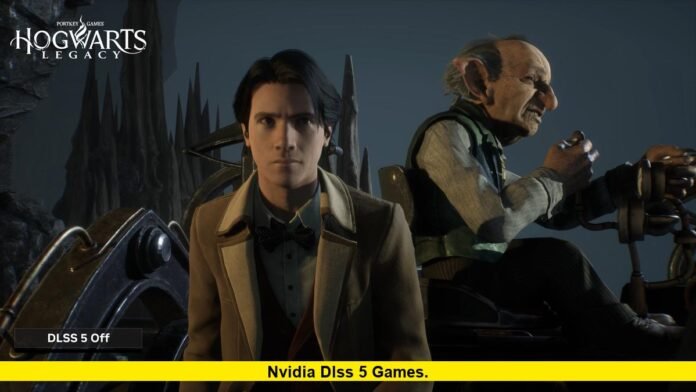

The phrase nvidia dlss 5 games is suddenly everywhere—and for good reason. As new titles begin showcasing the latest evolution of AI-powered upscaling and frame generation, players across the U.S. are noticing dramatic changes in performance, visuals, and overall gameplay smoothness. What started as a quiet rollout has quickly turned into one of the most talked-about shifts in modern gaming.
From Reddit threads to TikTok clips, gamers are sharing side-by-side comparisons, performance boosts, and unexpected visual improvements that feel almost too good to be real.
If you’ve been seeing the buzz but haven’t dived in yet, you’ll want to keep reading—because this trend is moving fast and reshaping how games actually feel to play.
What Started the Conversation
The sudden spike in attention didn’t come from a single announcement. Instead, it built momentum as early adopters began testing newer titles optimized for DLSS 5 and posting their results online.
Players noticed smoother frame rates without sacrificing image clarity. In many cases, games that once struggled at high settings were suddenly running at ultra settings with stable performance.
That shift sparked a wave of curiosity—and quickly turned into widespread discussion.
What Fans First Noticed
The first reactions weren’t subtle.
Gamers immediately pointed out how fluid gameplay felt, especially in fast-paced scenes like combat or driving sequences. Frame pacing appeared more consistent, and stuttering—long a pain point in demanding titles—seemed reduced.
Even more surprising was how sharp the visuals looked despite the heavy use of AI enhancement. Many players expected compromises, but instead reported cleaner edges and better detail reconstruction.
For many, it felt like getting a free hardware upgrade without actually buying new components.
Old Comparisons That Sparked Debate
As clips spread online, side-by-side comparisons quickly became the centerpiece of the conversation.
Players began comparing:
- DLSS 5 enabled vs disabled gameplay
- DLSS 5 vs earlier DLSS versions
- Performance across different GPU generations
In these comparisons, the newer technology consistently showed improvements in both frame rate and responsiveness.
Some users even revisited older games that had been updated to support the latest version, discovering that titles they had shelved suddenly felt brand new again.
What Social Media Users Are Saying
Across platforms, the tone has been a mix of excitement and disbelief.
Some players describe the experience as “next-gen finally arriving,” while others focus on how accessible high-end performance has become.
Short-form videos highlighting dramatic FPS jumps are gaining traction, with viewers reacting in real time to the difference. Meanwhile, long-form discussions dive deeper into how AI-driven rendering is changing expectations for PC gaming.
A common theme keeps appearing: players are starting to expect this level of performance as the new normal.
What the Developers Are Highlighting
Game developers are also leaning into the moment.
Many studios are showcasing how DLSS 5 allows them to push visual boundaries without compromising playability. This includes more detailed environments, improved lighting systems, and larger open worlds that maintain smooth performance.
Instead of choosing between graphics and frame rate, developers are increasingly able to deliver both.
That balance is becoming a major selling point for upcoming releases.
Why This Shift Feels Bigger Than Past Upgrades
Graphics improvements have always been part of gaming evolution—but this moment feels different.
Rather than relying solely on raw hardware power, DLSS 5 emphasizes smarter rendering. AI fills in gaps, predicts frames, and enhances detail in ways that reduce the traditional burden on GPUs.
For players, that means:
- Better performance on existing hardware
- Longer lifespan for current gaming setups
- Access to higher settings without major compromises
It’s not just an upgrade—it’s a shift in how performance is achieved.
How Nvidia DLSS 5 Games Are Changing Player Expectations
The impact of nvidia dlss 5 games goes beyond visuals.
Gamers are beginning to expect:
- Stable high frame rates at 4K
- Minimal input lag even with advanced effects
- Consistent performance across different systems
This shift is influencing how players evaluate new titles. Performance is no longer just a technical detail—it’s a core part of the experience.
Games that fail to deliver smooth gameplay are being noticed more quickly, especially when others are showcasing what’s now possible.
The Growing List of Supported Titles
Another reason for the rising buzz is the expanding list of supported games.
New releases are launching with DLSS 5 integration from day one, while existing titles are receiving updates to support it.
This growing ecosystem means more players are encountering the technology organically—without needing to seek it out.
As adoption increases, the conversation continues to grow.
What Happens Next
The momentum behind DLSS 5 isn’t slowing down.
With more developers integrating the technology and more players experiencing its benefits firsthand, expectations for performance and visual quality are likely to keep rising.
Future game releases will be judged not just on how they look—but on how smoothly they run using these advanced tools.
The next wave of titles could push this even further, making today’s improvements feel like just the beginning.
What do you think about the rise of DLSS 5—game-changer or just hype? Share your thoughts and stay tuned for more updates.