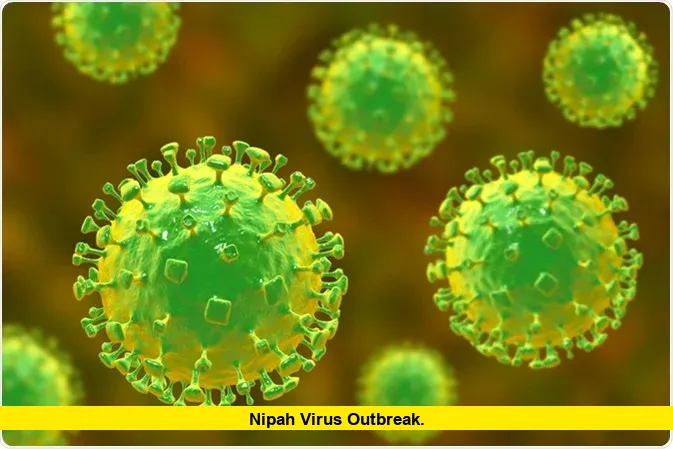

Health authorities across India and neighboring regions have intensified emergency surveillance and containment measures following confirmation of a nipah virus outbreak in eastern India. The development has placed hospitals, laboratories, and public health agencies on high alert due to the virus’s history of rapid transmission, severe neurological complications, and high fatality rates.
The current situation has drawn global attention because Nipah virus is classified among the most dangerous zoonotic pathogens, capable of spreading from animals to humans and, in certain conditions, from human to human. The outbreak has prompted swift action, including isolation of patients, large-scale contact tracing, and strict infection-control protocols in healthcare facilities.
Confirmed Cases and Medical Response
In January 2026, multiple laboratory-confirmed Nipah virus infections were reported in the state of West Bengal. Patients presented with high fever, respiratory distress, and neurological symptoms consistent with acute viral encephalitis. Several healthcare workers who treated the initial cases were placed under medical observation after developing symptoms, highlighting the occupational risks faced by frontline staff.
Dozens of close contacts were quarantined as a precautionary measure, and all were placed under continuous medical monitoring. Isolation wards were activated in designated hospitals, and specialized critical-care units were prepared to manage patients with severe respiratory or neurological complications. Authorities implemented strict personal protective equipment protocols, restricted hospital access, and reinforced disinfection practices to prevent in-facility transmission.
What Makes Nipah Virus So Dangerous
Nipah virus belongs to the Henipavirus genus and is naturally carried by fruit bats. These bats act as reservoirs, shedding the virus in saliva, urine, and feces without showing illness. Human infection can occur through direct contact with contaminated fruit, raw sap, or infected animals, as well as through close contact with infected individuals.
Once the virus enters the human body, it can cause a range of symptoms. Early signs often resemble common viral infections and include fever, headache, muscle pain, vomiting, and sore throat. As the disease progresses, many patients develop dizziness, confusion, altered consciousness, and seizures. In severe cases, the virus causes inflammation of the brain and acute respiratory failure.
The case fatality rate has historically ranged from 40 percent to more than 70 percent in some outbreaks, making Nipah one of the most lethal viral infections known to affect humans. The absence of a specific antiviral drug or licensed vaccine means treatment remains largely supportive, focusing on maintaining breathing, controlling seizures, and managing complications in intensive care settings.
Containment and Quarantine Measures
Following confirmation of the outbreak, public health teams launched extensive contact-tracing operations. Family members, healthcare workers, and community contacts of infected patients were identified and placed under observation for the virus’s incubation period.
Travel history reviews, thermal screening in hospitals, and rapid laboratory testing were expanded to detect potential new cases at the earliest possible stage. District administrations coordinated with state and national disease surveillance units to ensure rapid data sharing and daily reporting of suspected and confirmed cases.
Public advisories were issued urging people to avoid close contact with individuals showing fever or neurological symptoms, practice frequent hand hygiene, and seek immediate medical care if symptoms develop. Consumption of partially eaten fruits, unprocessed palm sap, and food exposed to bats was strongly discouraged.
Regional and Cross-Border Vigilance
The outbreak has also led to heightened surveillance in neighboring states and countries. Health authorities have instructed hospitals to report any unusual clusters of fever or encephalitis-like illness. Border screening and airport health checks have been reinforced, particularly for travelers arriving from affected regions.
Epidemiologists are closely monitoring wildlife populations, especially fruit bats, to better understand viral circulation patterns. Environmental health teams are conducting field investigations to assess possible spillover points where human activity intersects with bat habitats.
Lessons From Previous Outbreaks
Nipah virus was first identified in 1999 and has since caused periodic outbreaks in South and Southeast Asia. Past events demonstrated that human-to-human transmission can occur, particularly in hospital settings and within households. These experiences have shaped current response strategies, emphasizing early isolation, strict infection control, and community awareness.
India has faced previous Nipah outbreaks in different regions, each reinforcing the importance of rapid laboratory confirmation, transparent public communication, and coordinated medical response. Investments in diagnostic capacity and training of healthcare workers over the years have improved readiness, allowing quicker detection and containment of new cases.
Current Clinical Management Strategies
Patients suspected of having Nipah virus infection are treated in high-security isolation units. Supportive care remains the cornerstone of management. This includes oxygen therapy, mechanical ventilation when required, management of brain swelling, and treatment of secondary infections.
Medical teams follow rigorous biosafety protocols during sample collection and patient handling. Laboratory personnel use high-containment procedures to process blood and respiratory samples, ensuring safety while delivering timely diagnostic results.
Research and Vaccine Development
Global research efforts continue to focus on developing vaccines and antiviral therapies against Nipah virus. Several vaccine candidates are in advanced stages of development, and clinical trials are being conducted in regions with a history of outbreaks. Scientists are also working on improved rapid diagnostic tests and studying the virus’s transmission dynamics to strengthen future outbreak preparedness.
International health organizations classify Nipah virus as a priority pathogen due to its epidemic potential and high mortality. Ongoing research aims to shorten response times, improve patient outcomes, and eventually provide effective preventive tools for populations at risk.
Public Awareness and Community Role
Community cooperation plays a critical role in controlling the spread of Nipah virus. Early reporting of symptoms, adherence to quarantine guidelines, and avoidance of risky food practices can significantly reduce transmission.
Educational campaigns are emphasizing the importance of not consuming fruits partially eaten by bats, covering food and drink, and maintaining cleanliness in homes and marketplaces. Health workers are engaging with local leaders to ensure accurate information reaches the public and to counter misinformation.
Why Global Attention Is Focused on This Outbreak
A Nipah virus outbreak anywhere in the world is treated as a serious international public health concern. The virus’s ability to cause severe disease, its potential for human-to-human transmission, and the lack of specific treatment options make rapid containment essential.
The current situation highlights the importance of strong disease surveillance systems, well-equipped hospitals, and coordinated action between public health authorities, researchers, and communities. It also underscores the growing need to monitor zoonotic diseases as human populations expand into wildlife habitats, increasing the risk of spillover events.
Stay informed and share your thoughts as this developing health situation continues to unfold.