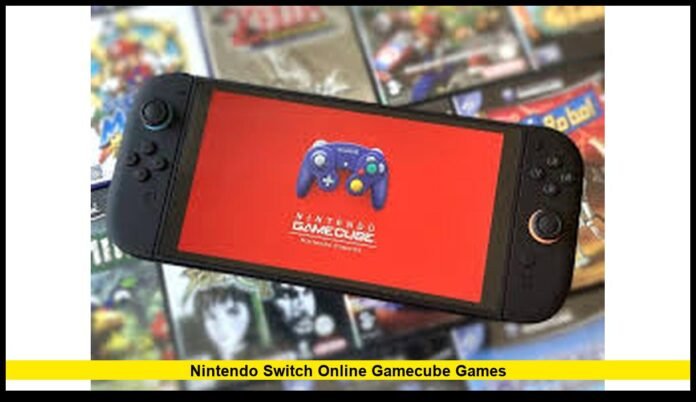

Fans across the gaming world are talking about Nintendo Switch Online GameCube games and what this next step could mean for the future of Nintendo’s digital library. With the Switch Online service continuing to expand, gamers are anticipating the arrival of beloved GameCube titles — a move that would transform the service into one of the most comprehensive collections of retro entertainment available today.
Nintendo has consistently demonstrated a strong commitment to its legacy, and adding GameCube classics to Switch Online seems like the natural next step. As fans revisit their favorite eras of gaming, the demand for access to 2000s-era titles is louder than ever.
A Growing Digital Legacy for Nintendo
Since its launch, Nintendo Switch Online has evolved from a basic multiplayer access service into a rich hub for retro gaming. Starting with NES and SNES libraries, the service later expanded to include Nintendo 64, Game Boy, and Game Boy Advance collections. Each addition brought a wave of nostalgia and excitement, attracting both veteran gamers and younger players curious about Nintendo’s storied history.
The company’s approach to preservation has always been deliberate — introducing classic titles gradually while ensuring they perform seamlessly on modern hardware. This model not only keeps fans engaged but also ensures that Nintendo’s most iconic moments remain accessible to new generations.
By bringing GameCube games to Switch Online, Nintendo would fill a significant gap in its historical catalog. The early 2000s marked a creative peak for the company, producing some of its most critically acclaimed and fan-beloved titles. Adding those experiences to the current platform would make Switch Online the most complete Nintendo gaming archive to date.
Why GameCube Games Are So Important
For many players, the GameCube era represents one of the most cherished and influential periods in Nintendo’s history. When the console launched in 2001, it arrived during a time of fierce competition — facing off against Sony’s PlayStation 2 and Microsoft’s first Xbox. Yet, despite the challenges, the GameCube managed to carve out a unique identity that stood apart from its rivals. It became a console defined not by sheer hardware power, but by creativity, innovation, and a sense of fun that only Nintendo could deliver.
The Nintendo GameCube was a bold statement of design and philosophy. Its compact, cube-shaped form and signature purple color broke away from the sleek, industrial looks that dominated the early 2000s console market. The design embodied Nintendo’s core belief that gaming should be approachable, colorful, and centered around joy rather than conformity. Even its tiny discs — a novelty at the time — reflected the company’s willingness to innovate.
But beyond aesthetics, it was the quality and originality of its game library that made the GameCube unforgettable. The console hosted a remarkable range of titles that pushed gameplay creativity to new heights. Super Smash Bros. Melee became a global phenomenon, evolving into one of the most competitive and beloved fighting games ever created. Metroid Prime transformed a classic 2D series into an immersive 3D adventure without losing its atmospheric essence. The Legend of Zelda: The Wind Waker, though controversial for its cel-shaded art style at first, is now celebrated as one of the most visually timeless entries in the franchise. And Mario Kart: Double Dash!! redefined multiplayer fun with its unique two-character racing mechanics that encouraged teamwork and chaos in equal measure.
This collection of groundbreaking titles demonstrated Nintendo’s ability to balance technical ambition with emotional storytelling and gameplay depth. Each release reflected the company’s philosophy that great games are defined by imagination and polish, not just graphics or hardware strength.
The GameCube era also saw Nintendo experimenting fearlessly across genres. From the haunting puzzles of Luigi’s Mansion to the strategic charm of Pikmin, the system encouraged creativity without boundaries. It was a time when developers were allowed to take risks — to explore unconventional ideas that ultimately became iconic. Those experiments didn’t just define that generation; they influenced the design of many modern Nintendo titles and even shaped the broader gaming industry.
For many fans, the GameCube represents the perfect blend of nostalgia and innovation. It bridged the gap between the simplicity of earlier Nintendo consoles and the technological sophistication of the modern era. Games from that period combined deep storytelling, vibrant worlds, and engaging mechanics in a way that remains unmatched for countless players.
Bringing these experiences to Nintendo Switch Online would be more than just an update — it would be a cultural celebration. For longtime fans, it would be a chance to relive the magic of their favorite adventures on a modern console. For younger audiences, it would be an opportunity to experience firsthand why this era is held in such high regard.
The GameCube’s legacy lives on through the passion of the players who grew up with it. Its games continue to be discussed, speedrun, and modded by dedicated communities who refuse to let these experiences fade into history. Adding those titles to Switch Online would not only honor that golden age of innovation but also preserve a vital chapter of gaming history for future generations.
At its core, the GameCube wasn’t just a console — it was a symbol of Nintendo’s identity. It represented a company willing to take chances, embrace personality, and create games that resonated emotionally with players. By reintroducing its catalog to the modern audience, Nintendo would be connecting the past and present, ensuring that the creativity of the early 2000s continues to inspire the next wave of gamers and developers alike.
The Technical Readiness of the Nintendo Switch
Nintendo has already demonstrated that the Switch hardware can handle games from more demanding generations. With the success of N64 and Game Boy Advance emulation, it’s clear that the company has mastered the process of optimizing older titles for modern performance standards.
The Switch’s hybrid nature makes it the perfect system for rediscovering GameCube classics. Players could experience these games both on the go and on larger screens, merging nostalgia with the flexibility that defines the console’s appeal.
Moreover, the possibility of enhanced features — such as save states, rewind options, or online multiplayer support — could make these titles feel fresh while staying true to their original form. Nintendo’s ability to blend authenticity with accessibility has been a defining trait of its retro library approach, and GameCube titles would fit seamlessly into that model.
Fan Favorites Everyone Wants to See
There’s no shortage of demand when it comes to GameCube titles fans are hoping to play again. Across gaming communities, several standout names appear consistently in discussions:
- Super Smash Bros. Melee – A competitive legend that continues to be played globally.
- The Legend of Zelda: The Wind Waker – Known for its iconic cel-shaded visuals and adventurous storytelling.
- Metroid Prime – A groundbreaking first-person reimagining of the classic series.
- Luigi’s Mansion – The charming debut of Luigi as a ghost-hunting hero.
- Mario Kart: Double Dash!! – A fan-favorite racing game featuring dynamic two-character mechanics.
- Pikmin – A creative real-time strategy game that became a cult classic.
Each of these titles represents a defining moment in Nintendo’s creative evolution. Making them available on Switch Online would not only excite fans but also reintroduce these masterpieces to players who never owned the original console.
Preserving Nintendo’s History for a New Generation
Nintendo’s philosophy has always centered on fun, accessibility, and innovation — but in recent years, preservation has become just as important. Physical copies of GameCube titles are becoming increasingly rare, and prices for original discs continue to rise on secondary markets.
By offering these games through an official platform, Nintendo ensures that these experiences remain available in their authentic form, legally and affordably. It’s not just about nostalgia — it’s about cultural preservation.
Video games from the early 2000s represent an essential part of digital history. Including GameCube games on Switch Online guarantees that this pivotal era remains playable, accessible, and appreciated by future generations of gamers.
How GameCube Titles Fit Into Nintendo’s 2026 Strategy
Nintendo’s long-term approach to gaming has always been about evolution, not replacement. Even as speculation grows about the company’s next-generation console, Nintendo has made it clear that the Switch platform remains central to its vision. The system continues to thrive thanks to its hybrid design, diverse library, and ever-expanding online service — and the addition of GameCube titles could be the next major step in keeping that momentum alive.
In 2026, Nintendo’s strategy revolves around two major goals: strengthening digital ecosystems and preserving legacy content. The Nintendo Switch Online service is at the heart of both. What began as a utility for online multiplayer has become a living archive — one that keeps classic gaming accessible while providing recurring value for subscribers. By introducing GameCube titles, Nintendo would effectively bridge the gap between its nostalgic past and its digital-first future.
Sustaining the Switch Ecosystem
The Switch has already exceeded expectations, becoming one of the best-selling consoles of all time. But maintaining its relevance deep into its lifecycle requires more than new hardware — it requires fresh reasons for players to stay engaged. Expanding the Switch Online catalog with GameCube games gives Nintendo an organic way to extend the console’s lifespan without major hardware changes.
Players who grew up in the early 2000s are now adults with disposable income, and many still carry a strong emotional connection to the GameCube era. By tapping into that nostalgia, Nintendo can keep millions of fans invested in the current platform while appealing to new audiences who want to experience these iconic titles for the first time.
Moreover, the Switch’s hybrid format — portable yet powerful — perfectly complements GameCube’s catalog of imaginative, mid-scale games. These titles, designed with gameplay depth rather than sheer graphics power, translate beautifully to handheld and docked play. Nintendo understands this synergy and is positioning Switch Online as the ultimate gateway to the company’s gaming legacy.
Driving Subscription Growth and Retention
From a business standpoint, adding GameCube titles represents a strategic masterstroke. The Nintendo Switch Online service has become one of the company’s key revenue drivers, combining online functionality with curated libraries of retro content. By continuously expanding its offerings, Nintendo ensures that players have a reason to renew their subscriptions year after year.
GameCube integration would provide exactly that incentive. For current members, it would be a compelling new benefit that deepens the value of the service. For newcomers, it could be the deciding factor that converts casual players into long-term subscribers. As subscription-based gaming models become the industry norm, Nintendo’s ability to enrich its catalog with fan-favorite classics gives it a powerful competitive edge.
Beyond retention, there’s also the potential for upselling. GameCube games would almost certainly be part of the higher-tier “Expansion Pack,” encouraging users of the basic plan to upgrade. This mirrors the successful strategy Nintendo used when introducing Nintendo 64 and Game Boy Advance titles, which drove measurable growth in premium memberships.
Capitalizing on the Retro Gaming Boom
Retro gaming continues to dominate global entertainment trends. Over the past decade, nostalgic experiences have proven to be some of the most profitable and engaging products in the gaming market. Players of all ages are drawn to the charm, simplicity, and replay value of classic titles — and Nintendo, more than any other company, sits at the center of that nostalgia.
The GameCube generation in particular has reached a point of renewed cultural relevance. Titles like Super Smash Bros. Melee, Metroid Prime, and The Legend of Zelda: The Wind Waker are not only remembered fondly but still actively played today. By officially reintroducing these games on Switch Online, Nintendo can capture both the emotional appeal and the financial opportunity that comes with this wave of retro enthusiasm.
Maintaining Leadership in a Competitive Market
In an industry increasingly driven by digital libraries and subscription ecosystems, Nintendo’s strength lies in its unmatched intellectual property. Unlike other publishers who rely heavily on third-party titles, Nintendo owns nearly all of its legacy content — from the NES era to the GameCube. This gives the company a unique advantage: it can continually reintroduce and repurpose beloved games without licensing hurdles or dilution of brand identity.
By leveraging this asset through Switch Online, Nintendo ensures that it remains a leader in both innovation and preservation. While competitors like Sony and Microsoft focus on technical power and cloud integration, Nintendo’s approach revolves around emotional connection and accessibility. The inclusion of GameCube titles would reinforce this position by reminding fans why Nintendo’s worlds and characters remain timeless.
Connecting Past, Present, and Future
Perhaps the most powerful aspect of adding GameCube games is how it aligns with Nintendo’s broader storytelling strategy. The company doesn’t treat its history as static — it treats it as a living part of its brand. Each re-release reintroduces a generation of players to the creative DNA behind modern franchises.
GameCube-era titles laid the foundation for many of Nintendo’s current successes. Luigi’s Mansion evolved into a modern hit series. Metroid Prime inspired the highly anticipated Metroid Prime 4. Even The Wind Waker’s art direction continues to influence current Zelda entries. By making these formative experiences accessible again, Nintendo not only honors its past but reinforces how deeply interconnected its creative universe truly is.
The Strategic Timing of 2026
The year 2026 is an ideal moment for this evolution. With the Switch nearing a decade of dominance and rumors of new hardware intensifying, Nintendo faces a critical transition phase. The introduction of GameCube titles could serve as a bridge — keeping engagement high while the company prepares its next-generation strategy.
It’s a move that benefits every part of Nintendo’s ecosystem: it boosts Switch Online subscriptions, strengthens brand loyalty, and sustains interest as fans await the next big console reveal. It also sets a precedent for how Nintendo might handle backward compatibility and legacy libraries in future systems.
An Emotional and Strategic Win
At its core, adding GameCube titles isn’t just a technical update or a financial decision — it’s a cultural statement. It tells fans that Nintendo values its history and understands the emotional bond players have with its games. The move would unify decades of gaming heritage under one platform, offering a sense of continuity that few companies can replicate.
By keeping its past alive in such an accessible, modern format, Nintendo would reaffirm what has always set it apart: its ability to connect generations of gamers through shared joy, nostalgia, and innovation.
Potential Enhancements and Modern Features
One of the biggest advantages of introducing GameCube games on Switch Online lies in the enhancements possible through modern technology. Imagine playing Mario Kart: Double Dash!! with online multiplayer or saving progress instantly during a Metroid Prime mission.
Nintendo has already proven that it can successfully modernize older titles without losing their essence. The introduction of cloud saves, controller remapping, and online leaderboards for other classic titles demonstrates how these experiences can evolve for a contemporary audience.
For long-time fans, these additions breathe new life into games they know by heart. For new players, they make retro gaming feel more accessible and enjoyable.
Community Excitement and Player Anticipation
Among fans, the anticipation for GameCube games on Switch Online has reached unprecedented levels. Online discussions, fan polls, and gaming forums are filled with predictions and wish lists. For many, the GameCube generation represents the heart of their childhood — and being able to relive those memories on a portable modern device feels like the ultimate gaming dream.
Nintendo’s growing focus on community-driven engagement also plays into this momentum. Every new addition to the Switch Online service is met with excitement, reviews, and nostalgic celebrations. The inclusion of GameCube titles would undoubtedly be one of the most celebrated milestones yet.
A Strategic Move for Nintendo’s Future
In 2026, the gaming industry is more competitive than ever. Major publishers are turning to legacy content to maintain brand loyalty and generate sustainable revenue. Nintendo’s greatest advantage is the strength of its history and the emotional connection fans have with its franchises.
GameCube games offer a bridge between generations — linking classic design philosophies with the accessibility of modern gaming. Including these titles in Switch Online’s library would not only celebrate the company’s past but also reaffirm its vision for the future.
By continuing to enhance its subscription service, Nintendo ensures that the Switch ecosystem remains strong even as new hardware innovations approach.
Conclusion
The idea of Nintendo Switch Online GameCube games isn’t just about nostalgia — it’s about evolution. Bringing these titles to the Switch would merge the best of both worlds: classic creativity from the early 2000s and the accessibility of modern digital gaming.
Fans have waited years for the opportunity to revisit their favorite GameCube adventures on today’s hardware, and now, that future feels closer than ever. Whether you grew up playing The Wind Waker or are experiencing it for the first time, the arrival of these timeless titles would mark a major milestone in Nintendo’s ongoing story.
Which GameCube game do you hope to see return on Nintendo Switch Online? Share your thoughts and join the conversation below!