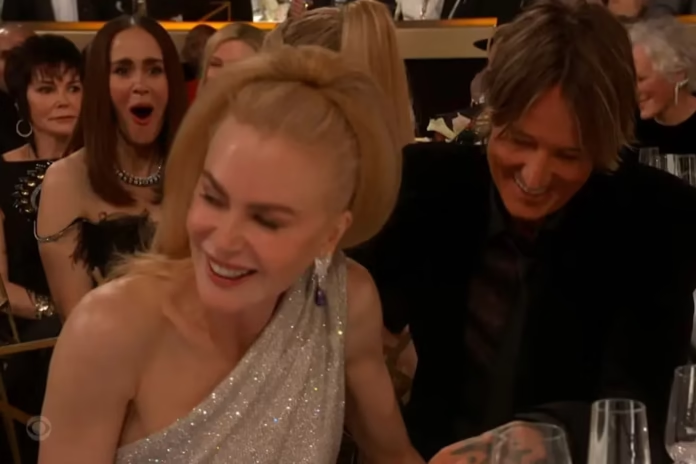

At the 83rd Golden Globe Awards, one comedic moment instantly grabbed headlines when Nikki Glaser’s Golden Globes Parody of Nicole Kidman’s AMC Ad set the tone for the evening and became one of the most talked-about segments of the night. Host Nikki Glaser delivered an unforgettable spoof that blended sharp humor, cultural commentary, and the emerging landscape of modern media, highlighting how award shows are evolving to reflect broader entertainment trends.
The ceremony, held at the Beverly Hilton in Beverly Hills, marked several firsts and memorable wins, but Glaser’s parody stood out not just for its laughs, but for its clever connection to a newly-introduced award category that signaled a major shift in how the entertainment industry values storytelling. The parody was more than a funny opening—it was a commentary on shifts in audience habits and the rise of new forms of entertainment that draw attention well beyond the traditional awards crowd.
A Night of Change and Celebration
This year’s Golden Globe Awards brought big changes, mainly the introduction of the Best Podcast category, which honored the growing influence of podcasts in mainstream media. For the first time in the ceremony’s storied history, creators of audio content were celebrated alongside filmmakers and television stars. The comedy podcast Good Hang with Amy Poehler emerged victorious, taking home the award in this inaugural category, underscoring how entertainment mediums continue to diversify.
Behind Glaser’s parody was the intention to bridge the gap between classic Hollywood reverence and contemporary entertainment formats. The spoof cleverly used the familiar language and cadence of Nicole Kidman’s cinematic-style AMC Theatres advertisement—the kind known for its sentimental tribute to the communal magic of movies—to make a broader point about how audiences now connect with stories not just on big screens but through headphones and mobile devices.
The Parody That Captured the Moment
Glaser stepped into the spotlight wearing a dazzling suit that echoed the aesthetic of Kidman’s original ad. She began in a similarly dramatic tone, evoking the emotional language of a movie-theater experience. Then she pivoted: instead of honoring cinema, she celebrated the act of listening to podcasts in one’s car—a playful nod to how people embrace storytelling in everyday life.
The parody’s humor came from this contrast. The audience was primed to expect the familiar—and instead got a funny yet accurate reflection of how the entertainment world has expanded. Glaser joked about familiar podcast moments, including the interruptions of ads, quirky host conversations, and heartfelt discussions that now define the audio content landscape. Her delivery ensured that the audience, whether in the room or watching at home, felt connected to the joke even if they had never seen the original advertisement.
This moment wasn’t just a throwaway joke; it was a keen observation about the state of media consumption. In an era where people listen to podcasts during commutes, workouts, and household chores, Glaser’s comedic twist hit a cultural nerve. It connected the nostalgia of theatrical experiences with the intimacy and ubiquity of podcasting.
Why the Parody Resonated So Deeply
There were several reasons Glaser’s spoof became such a defining Golden Globe moment:
Fresh Perspective on Media Trends
The parody acknowledged that storytelling no longer belongs only to traditional mediums like film and television. Today’s audiences increasingly engage with podcasts featuring candid conversations, serialized narratives, and celebrity interviews that mirror the intimacy of a one-on-one conversation. Glaser’s take highlighted this shift in a way that felt both humorous and deeply relatable.
Clever Use of Familiar Imagery
By drawing on the well-known tone of Kidman’s AMC ad, Glaser tapped into a piece of pop culture that many viewers instantly recognized. This familiarity made her twist on the concept even more effective and memorable.
Celebrating Podcasts in Mainstream Culture
The parody seamlessly led into the presentation of the Best Podcast award, which added significance to the segment. The ceremony’s recognition of audio storytelling as a legitimate artistic form gave the parody added depth. It wasn’t just making fun—it was marking a milestone in how award shows define artistic achievement.
Audience Connection Across Generations
Older viewers may remember the original cinematic ad fondly, while younger viewers instantly get the podcast references. That cross-generational appeal made the joke accessible and shareable across social platforms, where reactions and clips quickly spread.
The First Golden Globe Podcast Winner
The Best Podcast award was presented during the ceremony to Good Hang with Amy Poehler, a show known for its joyful, conversational style and high-profile guests. Poehler accepted the honor with humor and humility, celebrating her fellow creators and highlighting the importance of meaningful connections in a world saturated with media. Her win marked a significant moment for podcast hosts, podcasters, and fans alike.
The inclusion of podcasts in the Golden Globes lineup signals a broader recognition of how influential this format has become. Once considered a niche audio experience, podcasts now draw millions of listeners and have become essential cultural touchpoints—from personal storytelling to investigative journalism and celebrity interviews.
By weaving podcast culture into her parody and celebrating its place in the ceremony, Glaser effectively showcased how traditional entertainment platforms are adapting to stay relevant in a fragmented media world.
More Than Laughs: A Shift in Awards Show Strategy
Glaser’s parody also highlighted how award shows are reshaping themselves to create moments that feel authentic and shareable. In an era of social media highlights and instant clips, memorable performances aren’t just jokes—they’re cultural currency. By opening with a smart, timely joke that felt rooted in real media habits, Glaser helped position the Golden Globe Awards as relevant in an age where attention is easily fragmented.
Award show hosts today need to do more than announce winners. They need to reflect the cultural moment, and Glaser excelled at that. Her ability to make audiences laugh while also underscoring the importance of the narrative mediums people engage with daily set the tone for the rest of the evening.
She continued this approach throughout the night with a sharp, insightful monologue that moved seamlessly between lighthearted celebrity jabs and thoughtful commentary on the entertainment industry. Her presence as host was both engaging and dynamic, reflecting her growing influence as a voice in comedy and awards show hosting.
What This Means for Hollywood and Beyond
The success of Glaser’s parody and the podcast category’s debut are early indicators of how award shows may continue to evolve. Podcasts have surged in popularity over the past decade, and their inclusion in major awards stages reflects this cultural shift. Creators in the audio space are now gaining the recognition they’ve long deserved, and this moment could pave the way for other formats to find new platforms of celebration.
Award shows once focused exclusively on film and television are now embracing a broader definition of storytelling. From immersive audio experiences to digital content reaching global audiences, the media landscape is more inclusive and varied than ever. Events like the Golden Globes are adapting by recognizing these shifts and finding creative ways to honor artistic innovation.
Glaser’s parody was both a celebration and a commentary on this evolution. It reminded audiences that while formats change, the core of storytelling remains the same: connection, emotion, humor, and shared experience.
Looking Ahead
The 2026 Golden Globe Awards will be remembered for many things—groundbreaking wins, standout fashion moments, and powerful acceptance speeches—but Nikki Glaser’s opening parody will likely be remembered as a cultural milestone. It encapsulated how traditional award shows can embrace modern sensibilities and celebrate the art of storytelling in all its evolving forms.
Her performance demonstrated that award show humor, when rooted in cultural insight and delivered with authenticity, can capture the attention of audiences of all ages. As more formats gain prominence and media continues to evolve, moments like this parody will serve as markers of change in the entertainment world.
What part of the show stood out most to you, and did Glaser’s parody make you see awards shows differently? Drop a comment and share your thoughts as pop culture continues to evolve.