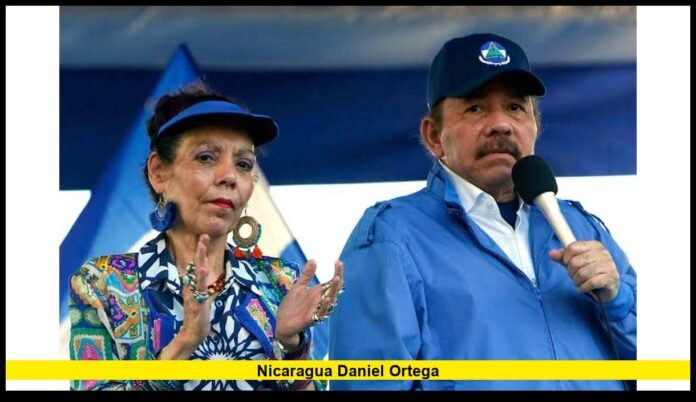

For decades, Daniel Ortega has remained the central figure in Nicaragua’s political landscape. The country’s government is once again under intense global attention after the president declared that Nicaragua will no longer hold elections, a statement that marks a historic shift in the nation’s political direction. The announcement has generated widespread discussion among world leaders, human rights organizations, regional governments, and political observers, raising fresh questions about the future of democracy, governance, and civil liberties in the Central American nation.
The latest development comes after years of constitutional reforms, institutional restructuring, and increasing concentration of executive authority. While Ortega’s supporters argue these measures strengthen national stability and protect the country’s sovereignty, critics view them as another significant step away from democratic traditions.
As events continue to unfold, Nicaragua remains one of the most closely watched countries in Latin America.
A Historic Political Announcement
Daniel Ortega’s recent declaration that Nicaragua will no longer conduct elections represents one of the most significant political decisions in the country’s modern history.
For many years, Nicaragua has held presidential and legislative elections, although those contests have faced criticism from international organizations over restrictions placed on opposition candidates and political parties.
The latest announcement moves beyond previous concerns by indicating that future competitive elections will no longer take place.
The statement was delivered during celebrations commemorating the anniversary of the Sandinista Revolution, an event that has long carried symbolic importance for Ortega and his supporters.
Political analysts say the announcement reinforces a governing model that has steadily evolved over nearly two decades.
Who Is Daniel Ortega?
Daniel Ortega has played a major role in Nicaraguan politics for almost half a century.
He first rose to international prominence as one of the leaders of the Sandinista National Liberation Front, commonly known as the FSLN. The movement overthrew the Somoza dictatorship in 1979, ending decades of authoritarian family rule.
Following the revolution, Ortega became one of the country’s most influential political leaders before officially serving as president beginning in 1985.
After losing the presidency in 1990, he remained active in politics before returning to office in 2007. Since then, he has continued to lead the country while overseeing significant political and constitutional changes.
His lengthy time in office makes him one of the longest-serving leaders in the Western Hemisphere.
How Nicaragua’s Political System Changed
The current political environment did not emerge overnight.
Over several years, Nicaragua experienced a series of legal and constitutional reforms that steadily expanded presidential authority.
Among the most significant developments were:
- Extension of presidential terms
- Increased executive powers
- Institutional restructuring
- Reduced independence among several state institutions
- Constitutional recognition of a co-presidency
Each reform built upon previous changes, gradually transforming how government functions within the country.
Supporters describe these reforms as necessary to improve governance and national unity.
Critics argue they reduced political competition and weakened democratic institutions.
Rosario Murillo’s Expanded Leadership Role
Rosario Murillo has become one of Nicaragua’s most influential public officials.
For years she served as vice president while also overseeing government communications and playing a highly visible role in national affairs.
Following constitutional reforms, Murillo now officially serves as co-president alongside Daniel Ortega.
Although she had already exercised considerable political influence, the constitutional changes formally recognized her leadership position within the executive branch.
Many observers believe this move further strengthened the concentration of political authority within the country’s leadership.
From Revolution to Modern Government
Understanding today’s developments requires looking back at Nicaragua’s modern political history.
The Sandinista Revolution dramatically reshaped the country after the overthrow of the Somoza government in 1979.
During the following decades, Nicaragua experienced civil conflict, economic challenges, democratic elections, political transitions, and eventually Ortega’s return to office.
Since returning to power in 2007, Ortega has emphasized stability, economic development, infrastructure projects, and social programs.
At the same time, international organizations have repeatedly raised concerns regarding political freedoms and institutional independence.
These contrasting perspectives continue to shape discussions surrounding Nicaragua’s government today.
The Lasting Impact of the 2018 Protests
The nationwide protests that began in 2018 continue to influence Nicaragua’s political environment.
Initially triggered by proposed social security reforms, demonstrations quickly expanded into broader protests against the government.
The response to those demonstrations became one of the most significant political turning points in recent history.
Following those events, the government introduced additional security measures while many political activists, journalists, civic leaders, and opposition figures either left the country or faced legal action.
The political climate changed considerably after 2018, with fewer opportunities for organized opposition activity.
Those events continue to shape both domestic politics and international discussions surrounding Nicaragua.
Opposition Parties Face Growing Challenges
Over recent years, opposition groups have encountered increasing obstacles while attempting to participate in political life.
Several political parties have experienced legal restrictions, while numerous opposition leaders have either gone into exile or faced detention.
Independent observers have also pointed to declining political competition, arguing that the overall political environment has become increasingly restrictive.
Government officials maintain that their actions are intended to preserve national security and constitutional order.
The differing interpretations remain one of the most debated aspects of Nicaragua’s political situation.
International Reaction Continues
The latest announcement has drawn attention from governments throughout the Americas and Europe.
International organizations focused on democracy and human rights have expressed concern about the future of political participation in Nicaragua.
Several countries have reiterated previous calls for greater political openness, while others continue to monitor developments without announcing new policy changes.
The declaration regarding elections has intensified existing discussions about democratic governance across Central America.
Foreign ministries and diplomatic observers are expected to continue evaluating future developments as they unfold.
The United States and Nicaragua
Relations between Washington and Managua have remained tense for several years.
The United States has imposed sanctions on numerous Nicaraguan officials and institutions while expressing concern over political developments and human rights issues.
American policymakers continue to monitor events closely because Nicaragua plays an important role within Central America, particularly regarding regional stability, migration, trade, and security.
Future diplomatic relations will likely depend on how the country’s political situation evolves.
Constitutional Reforms That Changed Government
Several constitutional amendments have significantly reshaped Nicaragua’s governing structure.
Some of the most notable changes include:
| Constitutional Change | Result |
|---|---|
| Longer presidential terms | Increased time between leadership transitions |
| Recognition of co-presidency | Rosario Murillo formally shares executive leadership |
| Expanded executive authority | Greater presidential control over government institutions |
| Institutional restructuring | Changes affecting multiple branches of government |
Together, these reforms have altered how executive power operates compared with previous decades.
Economic Conditions Remain an Important Issue
Despite ongoing political debate, economic development remains a major priority for Nicaragua.
The country’s economy depends on several important sectors, including:
- Agriculture
- Manufacturing
- Tourism
- Textile production
- International trade
- Remittances from citizens living abroad
Government leaders continue promoting investment and infrastructure projects.
However, political uncertainty and international sanctions remain factors influencing long-term economic expectations.
Businesses, investors, and financial institutions continue monitoring developments closely.
Civil Society and Independent Media
Another important aspect of Nicaragua’s current situation involves independent organizations and media outlets.
Over recent years, many nonprofit organizations have ceased operations after changes affecting their legal status.
Independent journalists have also encountered increasing challenges, leading some news organizations to relocate operations outside Nicaragua.
Supporters of these measures argue they strengthen national oversight.
Critics contend they reduce opportunities for independent reporting and civic participation.
The debate surrounding media freedom remains an important topic in international discussions.
Religious Organizations Also Remain in Focus
Religious institutions have increasingly become part of broader conversations surrounding Nicaragua.
Several church leaders have publicly commented on national issues in recent years, bringing additional international attention to relations between religious organizations and government authorities.
These developments have become another subject monitored by international observers concerned with civil liberties and freedom of expression.
Regional Importance
Although Nicaragua has a population of fewer than seven million people, developments there affect the broader Central American region.
Neighboring countries continue monitoring events because political changes may influence:
- Regional diplomacy
- Migration trends
- Economic cooperation
- Cross-border security
- International investment
Political developments inside one Central American nation often have wider regional implications, making Nicaragua an important focus for governments across the hemisphere.
Key Moments in Recent Political History
| Year | Major Development |
| 1979 | Sandinista Revolution ends the Somoza government |
| 1985 | Ortega begins his first presidential term |
| 1990 | Opposition wins national election |
| 2007 | Ortega returns to the presidency |
| 2018 | Nationwide protests reshape the political landscape |
| 2021 | Ortega begins another presidential term |
| 2025 | Constitutional reforms establish a co-presidency |
| 2026 | President announces future elections will no longer be held |
What Could Happen Next?
The latest announcement represents another major chapter in Nicaragua’s political evolution.
Observers will continue watching several important developments over the coming months, including possible legislative actions, diplomatic responses, economic impacts, and changes affecting governance.
International attention is also likely to remain focused on human rights, civil society, political participation, and relations between Nicaragua and foreign governments.
Although opinions differ sharply regarding the country’s political direction, there is broad agreement that the recent announcement marks one of the most consequential developments in Nicaragua’s modern history.
As new policies emerge and governments respond, Nicaragua will remain at the center of regional and international political discussions.
What are your thoughts on the latest political developments in Nicaragua? Share your perspective in the comments and stay informed as new updates continue to emerge.