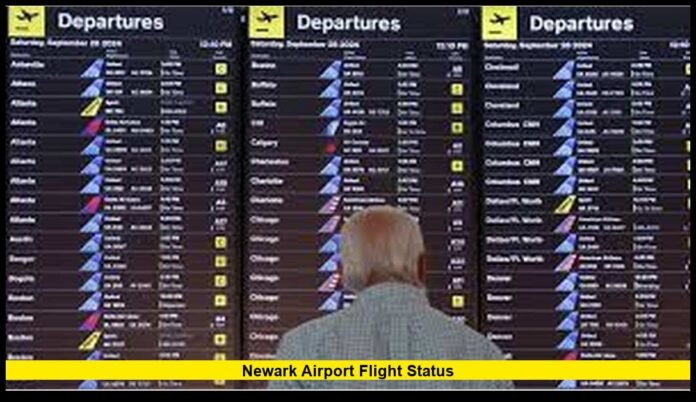

Travelers checking newark airport flight status are facing significant disruptions after a major operational incident temporarily halted flights at one of the busiest airports in the United States. Newark Liberty International Airport experienced a ground stop following an aircraft emergency involving a commercial flight that reported smoke in the cockpit and returned safely to the airport.
The situation triggered immediate safety procedures, grounding departures and pausing arrivals while officials assessed the runway, aircraft, and surrounding operations. Here is a clear breakdown of what happened, the current flight conditions, and what passengers should expect when flying through Newark.
What Happened at Newark Liberty International Airport
On the evening of February 18, airport operations were disrupted after a JetBlue aircraft departing for Florida reported smoke in the cockpit shortly after takeoff. The flight returned to Newark and landed safely.
Passengers evacuated using emergency slides. No injuries were reported.
Because the incident involved a potential safety risk on the runway, aviation authorities issued a ground stop. A ground stop pauses incoming flights and prevents departures until safety inspections and operational checks are completed.
The airport was temporarily closed to departing flights while emergency crews responded and investigators assessed the situation.
Ground Stop Impact on Flights
The ground stop created immediate ripple effects across airline schedules.
Flights scheduled to depart Newark were delayed at the gate, while incoming aircraft were held at their origin airports. This is standard procedure during operational emergencies to avoid congestion and ensure safety.
The airport remained closed for a limited period before gradually resuming operations later in the evening once safety checks were completed.
Even after reopening, delays continued as airlines repositioned aircraft and crews.
Current Newark Airport Flight Conditions
Recent airport data shows:
- Departure delays averaging under one hour and trending downward
- Arrival delays also reported but relatively short
- A number of cancellations recorded following the disruption
- Overall delay status described as low but still recovering
Weather conditions at the airport were stable, with scattered clouds and light winds. That indicates the disruptions were operational rather than weather-related.
Airlines continued adjusting schedules after the incident, which can affect flights hours after operations resume.
Why Newark Is Especially Sensitive to Disruptions
Newark Liberty International Airport is one of the most congested air travel hubs in the country. Even short interruptions can cause widespread delays nationwide.
Several long-term factors contribute to this sensitivity:
- Heavy airline traffic concentration
- Ongoing air traffic controller staffing shortages
- Operational limits on hourly flights
- Infrastructure and runway constraints
- High percentage of connecting passengers
Flight limits extended through 2026 aim to reduce congestion and improve reliability. While those limits help stabilize operations, they also leave less flexibility when unexpected events occur.
How a Single Incident Causes Nationwide Delays
When an airport like Newark issues a ground stop, the effects extend far beyond New Jersey.
Flights across the country scheduled to land at Newark may be delayed before departure. Aircraft waiting to operate later flights may also be delayed, creating a chain reaction.
Crew scheduling is another major factor. If a crew arrives late, subsequent flights may be pushed back or canceled due to federal duty time rules.
This cascading effect explains why travelers may experience delays even after the airport reopens.
Airlines Adjust Schedules After Disruption
Following the emergency, airlines began rescheduling flights, rebooking passengers, and repositioning aircraft.
Typical airline responses include:
- Consolidating flights
- Reassigning aircraft
- Holding connecting passengers
- Issuing travel flexibility options
- Canceling select routes to stabilize schedules
Because Newark serves as a major hub — especially for domestic and transatlantic routes — airlines must carefully manage network recovery.
What Travelers Should Do Now
Passengers should closely monitor their newark airport flight status before heading to the airport.
Key steps include:
- Check flight status frequently
- Enable airline alerts
- Arrive earlier than usual
- Prepare for gate changes
- Confirm connections
Travelers with tight connections should pay special attention because recovery periods can extend into the following day.
Recent Delay and Cancellation Trends
Recent data indicates:
- Multiple delays recorded during the day
- Several cancellations linked to operational recovery
- Ongoing schedule adjustments
- Delay levels decreasing as operations normalize
Short-term disruptions are common after a ground stop, but trends suggest conditions are improving.
Understanding Ground Stops and Safety Protocols
Ground stops are a routine aviation safety tool.
They may be issued due to:
- Aircraft emergencies
- Runway incidents
- Severe weather
- Technology failures
- Air traffic control constraints
The goal is to prevent congestion and allow airport teams to resolve the issue safely.
While frustrating for passengers, these measures are designed to protect travelers and crews.
Long-Term Operational Challenges at Newark
The incident occurred against a backdrop of ongoing operational challenges at the airport.
Aviation officials continue working to address:
- Air traffic controller shortages
- Congested Northeast airspace
- Technology modernization
- Flight scheduling limits
- Infrastructure upgrades
Airlines have already reduced some Newark flights over the past year to align with these limits.
How Recovery Typically Unfolds
Airport recovery usually follows a predictable timeline:
- Ground stop issued
- Emergency response and inspection
- Limited reopening
- Schedule adjustments
- Delay ripple effects
- Gradual normalization
Passengers may notice improvements within hours, but full schedule recovery can take longer depending on airline networks.
What This Means for Future Travel
Events like this highlight how fragile busy airport operations can be.
Even though the aircraft emergency ended safely, the operational impact affected hundreds of flights and thousands of passengers.
Travel experts recommend building extra time into itineraries when flying through major hubs like Newark.
Flexible tickets and early morning flights often provide more protection against disruption.
Outlook for Newark Operations
Latest indicators suggest Newark is returning to normal operations following the emergency.
Delay levels are decreasing, and airport activity continues to stabilize. However, travelers should expect residual schedule adjustments as airlines finalize recovery.
Monitoring real-time flight information remains the most reliable way to avoid surprises.
Key Takeaways for Passengers
- An aircraft emergency triggered a ground stop at Newark
- Flights were temporarily halted for safety checks
- The plane landed safely and no injuries were reported
- Delays and cancellations followed across airline networks
- Conditions are improving but recovery continues
Passengers flying through Newark in the coming days should stay informed and allow extra time.
Travel Planning Tips During Disruptions
Smart planning can reduce stress during operational events.
Helpful strategies include:
- Choose earlier flights when possible
- Avoid tight connections
- Keep airline apps installed
- Know rebooking options
- Consider alternate airports
Preparation helps travelers adapt quickly when disruptions occur.
Why Monitoring Flight Status Matters
Flight schedules can change rapidly after incidents.
Gate assignments, departure times, and aircraft swaps may shift throughout the day. Checking updates regularly is the best way to stay ahead.
Real-time tracking is especially important during recovery periods following a ground stop.
Final Thoughts
The temporary shutdown at Newark underscores how quickly air travel conditions can change, even when incidents end safely. While operations are stabilizing, passengers should remain proactive and flexible as airlines complete schedule recovery.
Share your experience traveling through Newark or check back for updates as airport operations continue to stabilize.