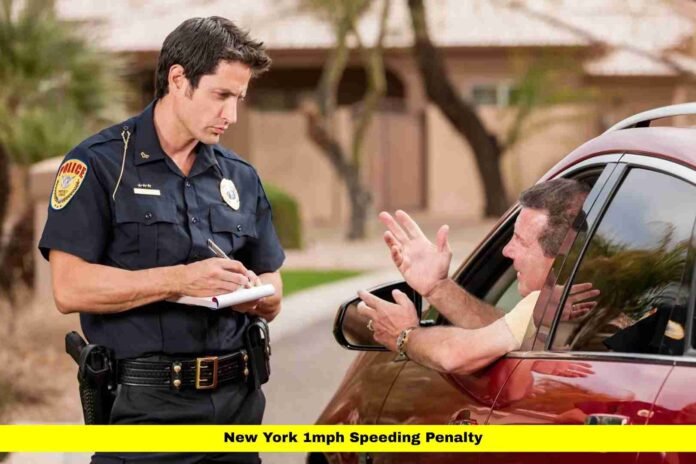

Drivers across the state are paying close attention to recent changes in traffic enforcement, especially after confirmation that even the smallest amount over the posted speed limit can now carry real consequences. The new york 1mph speeding penalty reflects a stricter interpretation of existing traffic laws and a broader overhaul of how points are assigned to driving violations. For everyday motorists, commuters, and professional drivers, this change alters how risk is calculated behind the wheel.
This article explains how the updated penalty system works, what has changed from previous years, how points are applied, and why even minor speeding now carries more weight than before.
Why Speed Enforcement Is Being Treated Differently
New York has intensified its focus on road safety following years of data showing that speeding remains one of the leading contributors to traffic injuries and fatalities. Lawmakers and transportation officials have emphasized that even slight increases in speed reduce reaction time and increase crash severity, particularly in dense urban areas and mixed-use roadways.
Rather than introducing a brand-new offense, the state has clarified enforcement standards and strengthened penalties within the existing framework. This means drivers are no longer shielded by informal tolerance ranges that many had come to expect.
How Speeding Has Traditionally Been Penalized
For decades, speeding violations in New York were grouped into ranges, with penalties increasing as speed increased. Drivers exceeding the limit by small margins often faced modest fines and relatively low point additions to their license. In practice, many motorists believed that minor overages would be overlooked or downgraded.
While the law never officially allowed a grace margin, enforcement patterns created that perception. The updated approach removes that ambiguity and reinforces that the posted speed limit is the legal maximum, not a suggestion.
What the 1mph Rule Actually Means for Drivers
The updated interpretation makes clear that any measurable speed above the posted limit qualifies as speeding. This includes situations where a vehicle is recorded traveling just one mile per hour over the limit. If cited, that violation carries the same classification as other low-level speeding offenses, with increased point values under the revised system.
The intent is consistency. A driver exceeding the limit by a small amount is still exceeding it, and the state now treats that fact more strictly when assigning points and reviewing driving records.
Changes to the Driver Point System
Alongside the stricter interpretation of speed limits, New York has adjusted how points are calculated and retained on a driver’s record. Minor speeding violations now result in higher point totals than in previous years. This change increases the cumulative impact of repeat offenses, even when each violation seems small on its own.
Points also remain active for a longer evaluation period than before. This extended window means drivers must maintain clean records for a longer time to avoid administrative action.
How License Suspension Risk Has Increased
Under the updated framework, fewer total points are required to trigger a suspension review, and those points are counted over a longer timeframe. This combination significantly raises the stakes for repeat violations.
A driver who accumulates multiple low-level speeding tickets over two years may now face consequences that previously applied only to more serious or frequent offenses. The system is designed to identify patterns of behavior rather than isolated mistakes.
What This Means for Everyday Commuters
For drivers who commute daily, especially in areas with frequent speed changes, the margin for error is narrower. Slight downhill acceleration, brief lapses in attention, or inconsistent speed zones can now result in violations that meaningfully affect a driving record.
This has prompted many drivers to adopt stricter speed discipline, particularly in school zones, construction areas, and residential neighborhoods where enforcement is already heightened.
Impact on Professional and Commercial Drivers
Professional drivers face an even greater impact. Delivery drivers, rideshare operators, and commercial vehicle drivers often spend long hours on the road, increasing exposure to enforcement.
Higher point totals can threaten commercial licenses, employer eligibility, and insurance coverage. As a result, many companies are reinforcing internal speed monitoring and driver training programs to reduce risk.
Insurance Implications Drivers Should Understand
Traffic points are not just a licensing issue. Insurance companies routinely review driving histories, and higher point totals often translate into higher premiums.
Even a single low-level speeding citation can contribute to increased rates, especially when combined with other infractions. Over time, the cost of minor violations can far exceed the original fine.
Why Discretion Still Plays a Role
Although the legal framework allows citations for minimal speeding, enforcement discretion remains part of real-world policing. Officers may still prioritize more dangerous behavior depending on traffic conditions, location, and context.
However, the authority to ticket for any measurable excess speed now exists clearly and consistently across the state, removing uncertainty about what is legally enforceable.
How Drivers Can Reduce Risk Under the New Rules
Adapting to the updated enforcement environment requires awareness and consistency. Monitoring speed closely, anticipating changes in posted limits, and avoiding habitual speeding are now more important than ever.
Many drivers are also choosing to take approved defensive driving courses, which may help reduce point totals and reinforce safer habits behind the wheel.
The Broader Goal Behind the Policy
The stricter approach to speeding reflects a larger effort to improve roadway safety statewide. By making penalties more immediate and cumulative, the system aims to discourage casual speeding and reduce the likelihood of serious crashes.
Officials view the policy not as punishment, but as prevention. The goal is fewer injuries, fewer fatalities, and more predictable behavior on shared roads.
What Drivers Should Take Away
The message is clear: posted speed limits are firm thresholds, not flexible guidelines. Even minimal excess speed can now carry lasting consequences under New York’s updated enforcement and point system.
Understanding these changes allows drivers to make informed decisions and avoid unnecessary penalties in a system that now leaves little room for error.
Do you think stricter enforcement will change driving habits across the state? Share your thoughts or stay connected for further updates as these rules continue to take effect.