
New Years superstitions continue to shape how people across the United States welcome the start of a new calendar year, blending long-standing cultural traditions with modern celebration habits. As December ends and January begins, millions participate in symbolic rituals meant to attract good luck, financial stability, love, and personal growth for the months ahead.
From what people eat on New Year’s Day to what they avoid doing, these beliefs remain deeply woven into holiday customs nationwide.
Why New Year Traditions Still Matter
The transition from one year to the next represents renewal. It is one of the few moments shared almost universally across cultures and communities. New Year customs provide structure during that transition, offering comfort, intention, and optimism.
In the United States, these traditions often combine influences from Europe, Africa, Latin America, and Asia, reflecting the country’s diverse cultural fabric.
Lucky Foods Associated With a New Beginning
Food plays a central role in many New Year customs. Meals prepared and eaten during this time often carry symbolic meaning tied to prosperity and abundance.
Southern U.S. Traditions
In many Southern households, black-eyed peas are served on January 1. These legumes symbolize coins and financial fortune. They are often paired with rice and pork in dishes like Hoppin’ John.
Collard greens frequently appear alongside the peas. Their green color represents paper money and economic stability. Cornbread, golden in color, symbolizes wealth and good fortune.
This combination remains one of the most widely practiced food traditions in the country.
International Customs Embraced in America
Many American families also observe traditions rooted in other cultures:
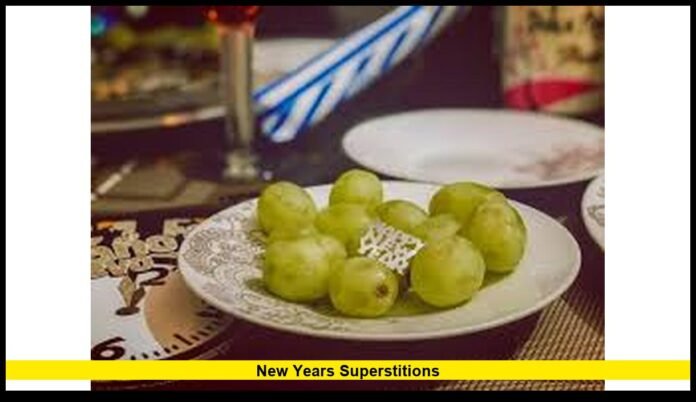
- Eating twelve grapes at midnight, one for each month of the year
- Serving lentils because their round shape resembles coins
- Choosing pork dishes to symbolize forward movement and progress
These foods have become common in multicultural households and community celebrations across the U.S.
Foods Some People Avoid
Certain foods are avoided due to symbolic associations.
Chicken is sometimes skipped because it scratches backward, which is believed to represent setbacks. Lobster and crab are avoided by some for similar reasons, as they move sideways or backward.
While not everyone follows these beliefs, they remain part of long-standing tradition.
Midnight Rituals That Mark the Moment
The exact moment when the year changes holds special meaning.
The Midnight Kiss
Sharing a kiss at midnight is one of the most familiar traditions in the United States. It symbolizes love, unity, and emotional stability. Many believe it sets the tone for relationships in the coming year.
This ritual is often practiced among couples, family members, and close friends.
Noise and Celebration
Loud celebrations at midnight are more than festive. Making noise is believed to drive away negativity and welcome positive energy. Fireworks, cheering, bells, and party horns are all common expressions of this belief.
Opening Doors and Windows
Some households open doors or windows at midnight. This act represents letting the old year exit and inviting fresh opportunities to enter.
Movement-Based Traditions
Physical movement plays a symbolic role in several customs.
Walking with an empty suitcase after midnight is believed to encourage travel and new experiences in the coming year.
In some cultures, people jump at midnight to symbolically leap into a better future. Others perform intentional steps forward to represent progress.
Clothing Choices and Color Meanings
What people wear into the new year often carries symbolic intent.
Red for Love and Energy
Red clothing is associated with passion, romance, and vitality. Some believe wearing red attracts love and confidence.
Yellow and Gold for Wealth
Gold and yellow tones are linked to financial success and abundance. These colors are often worn by those focusing on career growth or monetary goals.
White for Peace
White clothing represents peace, clarity, and spiritual balance. This tradition is popular in coastal celebrations and cultural gatherings.
Money-Focused Beliefs
Financial stability is a major theme of New Year customs.
Many people make sure they have money in their wallet or pockets at midnight. The belief is that starting the year with money attracts continuous income.
Empty wallets are avoided, as they symbolize scarcity.
Some households also aim to settle outstanding bills before January 1 to avoid carrying financial burdens into the new year.
Household Customs and Symbolism
The home is viewed as a reflection of future fortune.
Avoiding Cleaning on January 1
Sweeping, washing clothes, or taking out trash on New Year’s Day is avoided by many. These actions are believed to remove good luck before it has a chance to settle.
Full Pantries and Cabinets
Stocked kitchens symbolize abundance. Many families prepare by ensuring their home is well supplied before celebrations begin.
The First Visitor
In some traditions, the first person to enter the home after midnight is believed to influence household luck. While interpretations vary, positivity and good intention are universally valued.
Emotional and Behavioral Beliefs
How people behave on New Year’s Day is believed to influence the year’s tone.
Crying is often avoided, as it symbolizes sadness ahead. Arguments and negative conversations are also discouraged.
Instead, many focus on gratitude, kindness, and optimism during the first hours of the year.
Modern Traditions With Traditional Roots
Today’s celebrations often blend old customs with personal practices.
Many people write goals at midnight, practice gratitude, or reflect quietly on the past year. While these actions may feel modern, they align closely with the same intention-setting found in older traditions.
Cultural Diversity in U.S. Celebrations
The United States hosts one of the most diverse collections of New Year traditions in the world, reflecting its multicultural population and the many ways communities adapt heritage to contemporary life. From coast to coast, celebrations showcase customs that originate from different continents, yet all share a similar desire to welcome luck, prosperity, and health in the year ahead.
Greek families, for example, may include symbolic fruit rituals such as breaking pomegranates at midnight to represent abundance and good fortune. Filipino households often emphasize round shapes and patterns, which are believed to attract wealth and prosperity because of their resemblance to coins. In many Latin American communities, movement-based customs — like walking with an empty suitcase or eating twelve grapes at midnight — and color symbolism remain central to welcoming the new year with optimism and intention.
Other traditions brought to U.S. celebrations include West African inspired meals rich in greens and legumes, East Asian customs that emphasize family reunions and symbolic foods, and Caribbean practices that integrate vibrant colors, music, and dance into festivities. Many of these customs have gained visibility and participation beyond their original cultural communities, becoming part of citywide events or shared social media experiences.
This diversity highlights how shared celebrations can take many forms while still honoring the same hopes — a fresh start, community connection, and personal renewal. In urban neighborhoods and rural towns alike, these varied traditions reflect the dynamic cultural landscape of the United States. They emphasize that while customs may look different outwardly, the underlying aspirations — for joy, resilience, and good fortune — remain universal.
Why These Traditions Continue
New Year customs persist because they offer meaning and emotional grounding during times of uncertainty and transition. In an era marked by rapid change — from economic shifts to evolving social norms and global events — people increasingly seek rituals that help them feel centered and hopeful. These traditions provide a sense of stability that contrasts with the unpredictability of everyday life.
They help people feel prepared, grounded, and hopeful as they reflect on past challenges and look forward to new beginnings. Participating in familiar customs creates a psychological anchor, offering reassurance that despite change, some things remain constant. This sense of continuity can be deeply reassuring, especially during a cultural moment when many are focused on personal growth, resilience, and mental well-being.
These traditions also strengthen family bonds and provide moments of shared reflection. Gathering for symbolic meals, counting down to midnight together, or performing age-old gestures creates shared experiences that foster connection and belonging. In multi-generational households, these customs often become touchpoints for storytelling, memory, and heritage.
Even when followed casually, these practices offer emotional comfort and continuity. They allow people to mark time intentionally, make meaning of their experiences, and look forward with optimism. Whether celebrated at large events, in small family gatherings, or in quiet personal rituals, New Year traditions continue to resonate because they touch on universal human desires for renewal, connection, and a hopeful start.
A Moment of Collective Renewal
The New Year is not just a date change. It is a collective pause that gives individuals and communities a chance to step back from daily routines, reflect on the previous year, and recalibrate expectations for what lies ahead. In recent years, this moment has taken on even greater emotional significance as people balance global uncertainty, economic shifts, and rapid cultural changes with a deep desire for stability, well-being, and personal fulfillment.
Across the country, people stop to reflect on achievements and challenges, celebrate with family and friends, and imagine a better future. For many, this period also provides space to set meaningful intentions, prioritize mental and physical health, and reaffirm commitments to personal goals. From large city events and fireworks displays to quiet gatherings in homes, New Year celebrations bring people together in shared optimism.
Traditions help shape that moment into something meaningful and memorable, whether through symbolic rituals, festive gatherings, or heartfelt conversations. These practices encourage connection, strengthen family bonds, and create lasting memories that carry forward long after the holiday ends.
In a world that moves quickly, the New Year remains one of the few times when communities collectively slow down, breathe, and look forward with renewed hope.
Looking Ahead
As each year begins, traditions continue to evolve alongside changing lifestyles, technology, and social habits. Some New Year customs remain unchanged, preserved within families and cultural communities as meaningful links to the past. Others are adapted to fit modern routines, smaller gatherings, digital celebrations, and personal wellness practices that reflect how people now live and connect.
What remains constant is the collective desire for hope, progress, and fresh opportunity. At the start of a new year, people continue to seek reassurance through familiar rituals while also creating new ones that align with their values and goals. Whether practiced in large celebrations or quiet personal moments, these traditions serve the same purpose they always have: marking a reset, encouraging optimism, and offering a sense of control and intention as the year ahead unfolds.
Which New Year tradition matters most to you? Share your thoughts or return for more timely updates as the year unfolds.