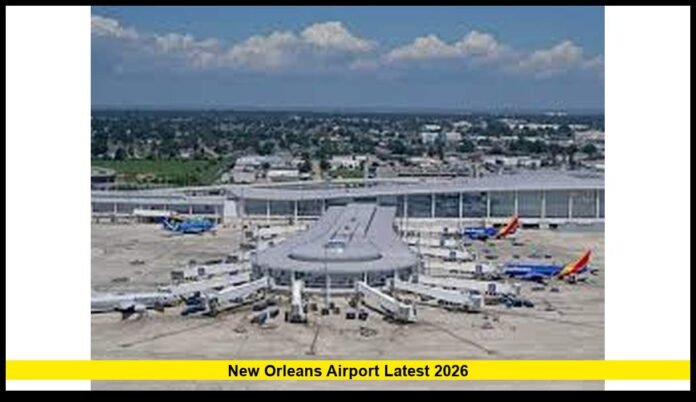

New Orleans Airport remains fully operational in February 2026, serving as Louisiana’s busiest commercial aviation hub with strong domestic service, active international routes, and steady passenger demand tied to tourism and business travel. Louis Armstrong New Orleans International Airport (MSY) continues to handle more than 13 million travelers annually, with consistent airline schedules and stable infrastructure supporting daily operations.
Located in Kenner, roughly 11 miles from downtown New Orleans, MSY functions as the primary gateway to the Gulf Coast. From Mardi Gras visitors to convention attendees and business travelers, millions rely on this airport each year. Here is a detailed look at current operations, airlines, terminal services, infrastructure, and travel conditions as of this month.
Overview of Louis Armstrong New Orleans International Airport (MSY)
Official Name: Louis Armstrong New Orleans International Airport
Airport Code: MSY
Owner: City of New Orleans
Primary Role: Commercial passenger and cargo service
MSY operates from a single, modern terminal that opened in November 2019. The facility replaced the former terminal complex and now handles all commercial departures and arrivals.
The airport serves as Louisiana’s top passenger airport and ranks among the leading mid-sized airports in the southeastern United States. Its central Gulf Coast location supports both domestic travel and select international connections.
Passenger Traffic and Travel Trends in 2026
Passenger traffic at MSY remains strong. The airport processes more than 13 million travelers annually based on the most recent full-year data. Demand remains steady through winter months and rises sharply during festival and event seasons.
Key travel drivers include:
- Mardi Gras celebrations
- Major sporting events at Caesars Superdome
- Jazz Fest and French Quarter Festival
- Convention center activity
- Cruise port departures
Leisure travelers account for a large share of volume, but business travel tied to regional energy, healthcare, and hospitality industries remains consistent.
Friday and Sunday departures typically see the heaviest passenger flow. Security checkpoints experience peak traffic during early morning and late afternoon departure banks.
Airlines Serving MSY in Early 2026
A wide range of domestic and low-cost carriers operate at the airport. As of February 2026, the airline lineup includes:
- American Airlines
- Delta Air Lines
- Southwest Airlines
- United Airlines
- JetBlue Airways
- Spirit Airlines
- Frontier Airlines
- Allegiant Air
- Breeze Airways
This mix provides strong competition and frequent service to major metropolitan markets.
Major Domestic Routes
Nonstop destinations from MSY include:
- Atlanta
- Dallas/Fort Worth
- Houston (both IAH and Hobby)
- Denver
- Chicago (O’Hare and Midway)
- Charlotte
- Washington, D.C.
- New York City (JFK and LaGuardia)
- Orlando
- Tampa
- Las Vegas
- Los Angeles
- Phoenix
Southwest Airlines maintains one of the largest footprints at MSY, offering frequent daily service to Texas and Florida cities. Delta connects travelers through Atlanta, while American provides key links via Dallas/Fort Worth and Charlotte. United’s Houston hub supports onward connections nationwide.
Low-cost carriers contribute to competitive pricing on leisure-heavy routes.
International Service and Customs Operations
International travel remains an important part of the airport’s offerings. MSY includes a dedicated U.S. Customs and Border Protection facility within the terminal.
Active international routes include:
- Cancún, Mexico
- Toronto, Canada
- Seasonal Caribbean destinations
Leisure demand drives much of this service, particularly during winter and spring travel periods. The customs area processes arriving passengers efficiently during scheduled arrival windows.
Although domestic service dominates overall traffic, international connectivity enhances the airport’s regional appeal.
Terminal Layout and Passenger Experience
The modern MSY terminal features three concourses:
- Concourse A
- Concourse B
- Concourse C
The design emphasizes wide walkways, natural light, and open seating areas. High ceilings and local artwork create a distinctly New Orleans atmosphere.
Security and Checkpoints
The centralized security checkpoint allows access to all concourses. TSA PreCheck lanes remain available for eligible travelers.
Security wait times vary depending on departure waves. Early morning hours typically see heavier traffic, especially during peak travel seasons.
Dining and Retail
The airport highlights Louisiana culture through its concessions program.
Travelers will find:
- Local seafood restaurants
- Po’boy shops
- Coffee bars
- National fast-casual brands
- Gift shops featuring regional merchandise
Live music performances occasionally take place in terminal areas, reinforcing the city’s musical identity.
Ground Transportation and Airport Access
Access to the airport remains straightforward. MSY connects to Interstate 10 and major surface streets serving Kenner and the greater New Orleans area.
Transportation options include:
- Taxi services
- Rideshare platforms
- Rental car center connected to the terminal
- Airport shuttles
- Jefferson Transit Authority bus routes
Travel time between downtown New Orleans and the airport typically ranges from 20 to 30 minutes under normal traffic conditions.
Parking Options
On-site parking facilities include:
- Short-term garage
- Long-term garage
- Economy surface lots
Digital signage provides real-time parking availability updates for arriving drivers.
Cargo and Economic Contribution
Beyond passenger service, New Orleans Airport supports cargo operations critical to regional commerce.
Freight operations at MSY assist:
- Medical supply distribution
- Energy sector logistics
- E-commerce shipments
- Time-sensitive freight movement
The airport contributes thousands of direct and indirect jobs across aviation, hospitality, retail, and transportation sectors. Its role in supporting tourism and conventions remains central to the local economy.
Infrastructure and Maintenance in 2026
Airport leadership continues focusing on infrastructure reliability and operational efficiency.
Current initiatives include:
- Runway maintenance and safety upgrades
- Gate scheduling optimization
- Energy efficiency improvements
- Technology enhancements for passenger processing
The terminal remains structurally sound and fully operational. No large-scale closures or relocations are in effect this month.
Airport staff conduct routine inspections to maintain compliance with federal aviation standards.
Mardi Gras Travel Impact
As Mardi Gras approaches, passenger traffic increases significantly. Airlines typically adjust capacity during this period to accommodate incoming visitors.
Travelers should expect:
- Busier security lines
- Increased rideshare demand
- Higher hotel occupancy rates near the airport
Airport operations teams coordinate staffing levels to manage peak festival travel. Early arrival remains recommended during heavy travel days.
Safety and Security Measures
New Orleans Airport operates under federal aviation security regulations. TSA personnel screen all departing passengers.
Airport police patrol terminals, parking areas, and roadways. Emergency response teams remain on standby at all hours.
Fire and rescue services operate from on-site facilities to respond to aviation-related incidents. No major security alerts or operational disruptions are active at this time.
Comparing MSY Within the Region
Among Louisiana airports, MSY leads in passenger volume, airline diversity, and international connectivity.
For comparison:
| Airport | Annual Passengers | International Service | Major Hub Connectivity |
|---|---|---|---|
| MSY | 13+ million | Yes | Extensive |
| Baton Rouge (BTR) | Significantly lower | Limited | Regional |
New Orleans Airport functions as the primary aviation gateway for the entire state and much of the Gulf Coast.
Tips for Travelers Using MSY
To ensure a smooth experience:
- Arrive at least two hours before domestic flights
- Check airline apps for gate updates
- Confirm parking availability before departure
- Use TSA PreCheck if enrolled
- Allow additional time during festival seasons
Weekend departures and holiday periods often require extra planning.
Travelers connecting through major hubs can reach nearly any U.S. destination within one stop.
Tourism and Business Travel Influence
Tourism remains the largest driver of airport traffic. The city’s year-round event calendar keeps demand consistent.
Major attractions influencing airport volume include:
- French Quarter activities
- Caesars Superdome events
- Convention center conferences
- Cruise port departures
Business travel tied to regional industries such as energy and healthcare also supports weekday traffic levels.
The airport’s role extends beyond transportation. It acts as a first impression for millions visiting Louisiana each year.
New Orleans Airport continues operating at full capacity in early 2026, delivering reliable airline service, modern facilities, and strong passenger demand. Its strategic Gulf Coast location, diverse airline presence, and well-designed terminal ensure that travelers experience efficient access to one of America’s most vibrant cities.
Have you traveled through MSY recently? Share your experience and stay tuned for ongoing updates about flights, travel trends, and airport operations in New Orleans.