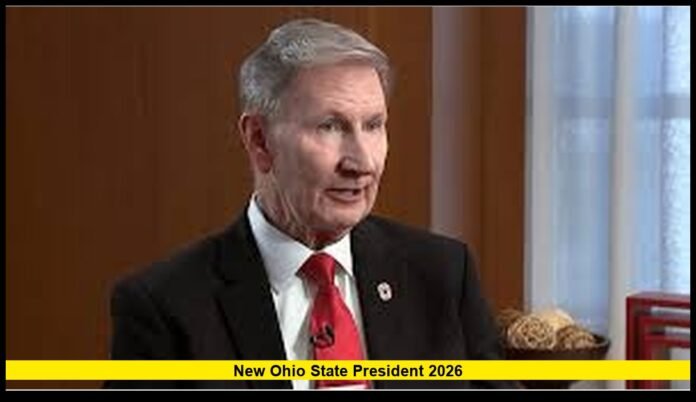

New Ohio State president Ted Carter officially assumed leadership of The Ohio State University on January 1, 2024, becoming the institution’s 17th president and guiding one of the largest public universities in the United States. His appointment followed a national search conducted by the Ohio State Board of Trustees in 2023. Carter arrived with a unique background that blends decades of military service with experience running large university systems.
The leadership transition marks an important moment for Ohio State as it continues expanding research programs, supporting a massive student population, and managing the evolving landscape of college athletics and higher education.
A Major Leadership Change at Ohio State
Ohio State announced Ted Carter as its next president in August 2023. The decision followed the departure of Kristina M. Johnson, who had served as the university’s president since 2020.
The transition included several key milestones:
| Event | Date |
|---|---|
| Appointment announced | August 22, 2023 |
| Transition preparation | Fall 2023 |
| Official start date | January 1, 2024 |
Carter stepped into the role after previously serving as president of the University of Nebraska system. His arrival brought a new leadership style shaped by military service, higher education management, and experience guiding large organizations.
The Career Path of Ted Carter
Ted Carter’s journey to leading Ohio State includes more than three decades of service in the U.S. Navy followed by leadership positions in higher education.
Military Leadership
Carter served as a naval aviator and eventually reached the rank of vice admiral. His aviation career involved thousands of flight hours and extensive operational responsibilities.
Key achievements from his military service include:
- Over 6,000 flight hours
- More than 2,000 aircraft carrier landings
- Command of major naval aviation units
- Leadership of U.S. Naval Forces in the Middle East
These experiences required strategic planning, crisis management, and coordination across large teams.
The leadership principles developed during his naval career later influenced his approach to university administration.
Transition to Academic Leadership
After retiring from active duty, Carter moved into higher education leadership.
He first became president of the U.S. Naval War College, a position he held from 2019 until 2023. In that role, he oversaw graduate-level education for military officers and defense professionals.
During this period, he also became president of the University of Nebraska system, which includes multiple campuses across the state.
Managing the Nebraska system required oversight of:
- Four universities
- Tens of thousands of students
- Large research operations
- Complex athletic programs
This experience helped prepare Carter for the scale and complexity of Ohio State.
Understanding the Size of Ohio State University
Leading Ohio State is a massive responsibility.
The university operates one of the largest higher education systems in the United States, with a wide range of academic and medical programs.
Important facts about Ohio State include:
- More than 60,000 students on the Columbus campus
- Over 7 campuses across Ohio
- One of the largest university research budgets in the country
- A nationally recognized academic medical center
The university also maintains a global alumni network that numbers in the hundreds of thousands.
Managing such a large institution requires careful planning, strong administrative leadership, and the ability to balance academic goals with financial sustainability.
Early Focus Areas for the Administration
Since taking office, Carter has emphasized several priorities that align with Ohio State’s long-term strategy.
Advancing Research Leadership
Ohio State ranks among the leading public universities in research activity.
Major research areas include:
- Artificial intelligence and advanced computing
- Medical innovation and healthcare technology
- Climate science and sustainability research
- Advanced manufacturing and engineering
The university’s research activity contributes billions of dollars to the economy and supports thousands of jobs.
Strengthening research partnerships with government agencies and private companies remains a central objective.
Supporting Student Success
Student success remains one of the university’s top priorities.
Ohio State continues to invest in programs designed to improve graduation rates and provide better support for students throughout their academic journey.
These initiatives focus on:
- Academic advising
- Career preparation
- Mental health support
- Expanded scholarship opportunities
Affordable access to higher education remains a major issue for families nationwide. University leaders continue exploring ways to reduce financial barriers while maintaining academic quality.
Campus Development and Infrastructure
The Columbus campus continues to evolve with new construction projects and facility upgrades.
Recent and ongoing developments include:
- Modern research laboratories
- Upgraded academic buildings
- Expanded healthcare facilities
- New student housing projects
Infrastructure improvements help Ohio State maintain its reputation as a top destination for students and researchers.
The Role of Athletics at Ohio State
Athletics plays a significant role in the university’s identity.
The Ohio State Buckeyes compete in the Big Ten Conference and operate one of the most recognizable athletic programs in the country.
Football remains a major national attraction. Games regularly draw more than 100,000 fans to Ohio Stadium.
University leadership must balance the visibility and financial impact of athletics with academic priorities.
The modern landscape of college sports continues to change rapidly. Key developments include:
- Name, Image, and Likeness opportunities for athletes
- Conference realignment across college athletics
- Increasing national attention on athlete rights and compensation
These issues require careful oversight from university leadership.
National Influence of Ohio State
Ohio State’s size and reputation give the institution significant influence within American higher education.
The university consistently ranks among the top public research universities in the country.
Its national impact includes:
- Major contributions to medical research
- Partnerships with technology and manufacturing industries
- Workforce development programs across Ohio
- A large alumni network working in government, business, and science
Because of its scale, decisions made by the university’s leadership often attract attention from other institutions across the country.
Leadership Style and Institutional Vision
Observers often describe Carter’s leadership style as structured, collaborative, and mission-driven.
His military background emphasizes accountability and clear communication. At the same time, he encourages cooperation between faculty, administrators, and students.
Important leadership principles guiding the administration include:
- Long-term strategic planning
- Commitment to academic excellence
- Transparent decision-making
- Support for innovation and research
These priorities help shape the direction of the university during a period of rapid change in higher education.
Challenges Facing Modern Universities
Large public universities face several challenges that require thoughtful leadership.
Some of the most pressing issues include:
- Rising operational costs
- Increasing competition for federal research funding
- Rapid technological change affecting teaching methods
- Student expectations around career preparation
University leaders must respond to these challenges while protecting academic integrity and expanding opportunities for students.
Why This Leadership Transition Matters
The appointment of the new Ohio State president carries importance not only for the university community but also for the broader landscape of American higher education.
Ohio State plays a major role in shaping research priorities, educational innovation, and public university leadership nationwide.
Decisions made by the president affect areas such as:
- Academic program development
- Research funding strategies
- Campus expansion projects
- Partnerships with industry and government
The direction of the university influences thousands of students, faculty members, and staff.
Looking Toward the Future
As Ted Carter continues his presidency, Ohio State enters a new chapter that blends tradition with innovation.
The university plans to expand research initiatives, support student success programs, and strengthen its role as a global leader in higher education.
Growth in technology, medicine, and engineering will likely shape many of the university’s future initiatives.
Ohio State’s size and reputation position it to remain one of the most influential public universities in the United States.
What are your thoughts on Ohio State’s new leadership and the future of the university? Share your perspective and stay connected for more updates on major developments in higher education.