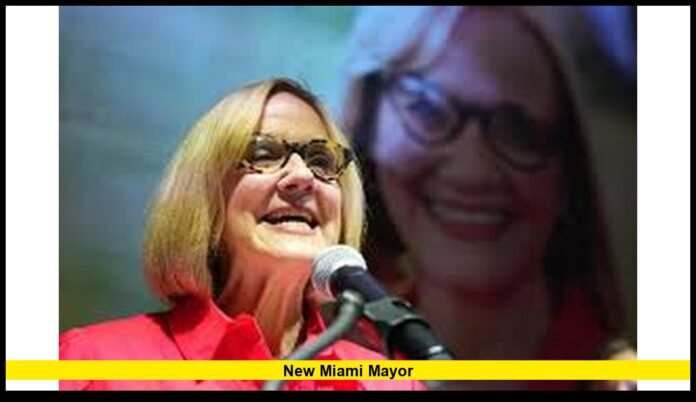

Voters across Miami ushered in a new chapter on December 9, 2025 when they installed the new Miami mayor — Eileen Higgins — after she defeated former city manager Emilio González in a decisive runoff. Higgins’ victory not only ends nearly three decades of one-party dominance in the city’s top post, but also makes her the first woman ever elected to lead Miami.
A Runoff That Made History
The initial round of the mayoral election, held on November 4, 2025, drew a crowded field of 13 candidates. Higgins emerged as the frontrunner with about 36% of the vote. González placed second with roughly 19%. Because no candidate reached a majority, Miami’s rules triggered a December 9 runoff between the top two finishers.
In the runoff, turnout rose as many residents weighed key issues affecting the city: housing affordability, immigration policy, public services, and infrastructure resilience. In the end, Higgins secured approximately 59.5% of the vote to González’s 40.5%. The margin—nearly 19 points—underscored broad support for change.
Why This Win Matters
This election shakes up Miami’s political landscape on several levels:
- Party Shift After Nearly 30 Years: Higgins is the first Democrat to become Miami mayor since 1997, breaking a long stretch of Republican control.
- Historic Gender Milestone: She becomes the first woman to hold the office in the city’s history.
- New Leadership Tone: With a platform focused on practical governance — from housing and transparency to climate resilience — Higgins promises a different approach than her predecessors.
- Signal to State and National Politics: Given Miami’s prominence and diverse demographics, her victory may resonate beyond city limits, especially with the 2026 midterms on the horizon.
Who Is Eileen Higgins — And What She Ran On
Before running for mayor, Higgins served as a commissioner for Miami‑Dade County Commission. Her record in that role helped shape her campaign, which emphasized:
- Affordable Housing & Cost of Living: Higgins pledged to use city-owned land and streamline development approvals to build more workforce and affordable housing units. She argued that rising rents and gentrification threatened long-time residents.
- Government Transparency & Efficiency: She promised to cut red tape, overhaul permitting processes, and root out corruption.
- Improving Public Services: From public transit to first-response services, Higgins highlighted underfunded areas that she said needed urgent attention.
- Climate Resilience & Infrastructure Planning: Given Miami’s vulnerability to sea-level rise and extreme weather, she promised long-term planning for sustainable infrastructure and resilient city systems.
- Support for Immigrant Communities: In a majority Hispanic city, immigration policy and community relations played a major role. Higgins pledged humane, inclusive governance that respected the city’s immigrant roots.
Higgins qualified for the ballot after submitting thousands of petition signatures, a move that she said reflected strong grassroots backing. Polls before the first round showed her with high name-recognition and a sizable lead.
Who Is Emilio González — And Where He Stood
Emilio González entered the mayoral race backed by prominent conservative support. A former city manager and former director of U.S. Citizenship and Immigration Services, González emphasized:
- His managerial and leadership experience in city administration and federal agencies.
- A pro-business, law-and-order platform aimed at fostering economic growth.
- His vision of continuity with past growth, fiscal discipline, and administrative expertise.
He drew endorsements from high-profile conservative figures. His supporters framed him as a steady, experienced hand in contrast to what they described as political uncertainty under prolonged single-party dominance.
What Voters Decided — The Issues That Mattered
Several major themes shaped voter sentiment in this election:
• Housing and Affordability
Skyrocketing rents and real estate prices forced many longtime residents to consider leaving. Higgins’ commitment to unlocking city land for affordable housing and promoting zoning reforms resonated with working families and renters.
• Immigration & Community Inclusion
With a large immigrant population, many Miami residents sought a mayor who would safeguard their communities against aggressive enforcement policies. Higgins’ more inclusive stance contrasted with González’s association with federal immigration leadership, drawing clear lines for voters.
• Government Transparency and Trust
After years of controversies, some city residents expressed frustration with perceived corruption and mismanagement. Higgins pledged ethical governance and accountability. Her message appealed to voters weary of city scandals and dysfunction.
• Climate, Infrastructure & Resilience
As climate threats and sea-level rise loom large, Miami’s future depends on infrastructure investments and sustainable planning. Higgins promised long-term action on resilience, transportation, and environmental safety — a concern especially important for coastal neighborhoods and lower-income communities vulnerable to flooding.
• Public Services & Livability
From public transit and safe streets to clean water and storm preparation, many voters looked for leadership that would improve everyday city living. Higgins’ emphasis on delivering basic services and supporting first responders struck a chord with broad segments of the electorate.
What Comes Next — Early Priorities and the Path Ahead
With the election now behind her, the new mayor faces immediate challenges and near-term tasks:
- Building the team: Higgins must appoint key city leadership — including heads of housing, infrastructure, planning, and public safety. These selections will shape the tone and pace of her administration.
- Launching housing and zoning reforms: Delivering on her campaign promises will require swift action on city-owned land, permitting reform, and partnerships with developers.
- Budget planning and resource allocation: To fund services, resilience efforts, and affordable housing, her administration must navigate city finances carefully.
- Working with the City Commission: The success of major reforms will depend on collaboration or negotiation with commissioners, some of whom may have different priorities.
- Engaging communities, especially immigrants and working-class neighborhoods: Higgins will need sustained outreach to build trust and deliver results, especially among historically underserved parts of Miami.
- Communicating policy and progress: Given the national spotlight on Miami, her administration will need consistent messaging, transparency, and responsiveness to avoid early missteps.
Wider Implications — What This Victory Means
Though the mayoral post is technically nonpartisan, the partisan significance of Higgins’ victory cannot be ignored.
- A blow to conservative dominance in South Florida: Her win challenges the recent trend of Republican gains across Florida, particularly in Hispanic-majority locales.
- A potential model for urban politics: Miami, long perceived as conservative, may now serve as an example for other cities with similar demographics considering progressive leadership.
- Momentum for broader political shifts: With 2026 midterms approaching, this result could influence voter mobilization, turnout efforts, and messaging strategies — especially around immigration, housing, and urban governance.
- Signal about changing attitudes: The electorate’s support for a woman, a Democrat, and a candidate promising inclusive governance suggests evolving priorities among Miami residents.
Immediate Reaction — How Miami Heard the News
On election night, supporters gathered in downtown halls and community centers. Cheers erupted as the count confirmed Higgins’ lead. Many described the moment as historic — a long-overdue change, especially for younger voters and immigrant communities.
Meanwhile, some residents expressed cautious optimism. Though happy about the milestone, they made clear their support hinged on real results. They want accountability, better housing, safer neighborhoods, and reliable city services.
Some conservative voters, disappointed by the outcome, called for close scrutiny of the new administration. They emphasized the importance of fiscal prudence and efficient management, warning that bold rhetoric must translate into responsible governance.
Looking Ahead — What to Watch
Over the next weeks and months, all eyes will be on how the new mayor acts. Key developments to monitor:
- Release and execution of a city-wide housing plan with timelines for affordable and workforce housing units.
- Introduction of zoning reforms and streamlined permitting processes to speed up development.
- Budget proposals reflecting investments in infrastructure, climate resilience, public transit, and essential services.
- Appointments of department heads — housing, planning, public safety, environment — which will shape policy direction.
- Engagement with local communities, civic groups, immigrant populations, and neighborhood associations to rebuild trust.
- Transparency initiatives: audit of past contracts, new ethics oversight, and channels for resident feedback.
- Communication of progress and setbacks — the mayor’s ability to stay connected with constituents will be critical.
A New Chapter Begins
The election of the new Miami mayor marks a turning point for the city. Eileen Higgins inherits a city brimming with potential and facing serious challenges — from affordability and environmental risk to growth and social equity.
Her win is a signal that many Miami residents want change. They want leadership that understands their struggles, represents their needs, and builds a more inclusive, resilient, and livable city.
If Higgins delivers on her promises, her administration could reshape Miami for decades. If she stumbles, the hopes of many may fade quickly.
We’re entering a significant chapter in Miami’s history. Feel free to share your thoughts below and stay tuned to see how this new leadership takes shape.