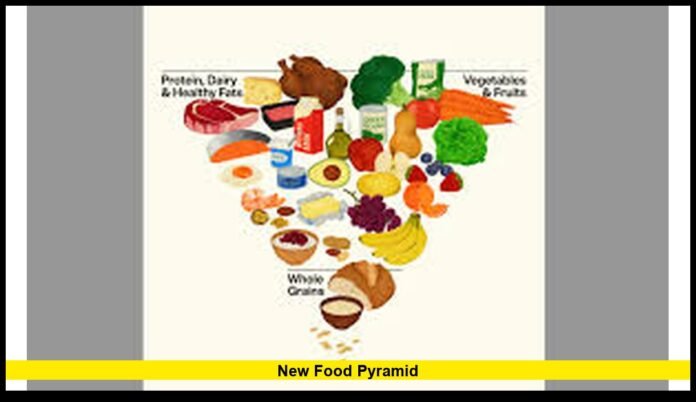

The release of the updated national dietary guidelines marks a defining moment in American nutrition policy, introducing a redesigned NEW FOOD PYRAMID that reshapes how people are encouraged to eat, cook, and think about food. The new framework reflects years of nutritional research, public health data, and concerns about diet-related illness, offering a clearer and more practical approach to daily eating for millions of Americans.
Unlike earlier models that focused heavily on food groups in isolation, this updated pyramid emphasizes overall food quality, balance, and long-term health outcomes. It signals a shift away from rigid rules and toward sustainable, real-world eating habits that align with modern lifestyles and current health challenges in the United States.
Why the Food Pyramid Has Changed
For decades, federal nutrition guidance has evolved in response to changing science and public health needs. Rising rates of obesity, type 2 diabetes, heart disease, and metabolic disorders have prompted policymakers to reassess long-standing dietary advice.
The latest pyramid reflects a recognition that previous guidance did not sufficiently address the impact of ultra-processed foods, added sugars, and inconsistent protein intake. Health officials now emphasize that what people eat matters just as much as how much they eat.
This redesign aims to simplify healthy choices while acknowledging that Americans eat diverse diets shaped by culture, budget, and access to food.
How the NEW FOOD PYRAMID Is Structured
The updated pyramid introduces a hierarchy based on nutritional value and frequency of consumption rather than strict portion sizes. Foods at the top represent priorities for daily meals, while foods toward the base provide supportive energy and balance.
Protein Takes a Central Role
One of the most noticeable changes is the prominent placement of protein. The new guidance encourages consistent protein intake throughout the day rather than concentrating it in one meal.
Recommended protein sources include:
- Poultry and lean meats
- Fish and seafood
- Eggs
- Beans and legumes
- Dairy products
Protein is highlighted for its role in muscle health, metabolic function, satiety, and blood sugar regulation. This shift reflects growing evidence that adequate protein supports healthy aging and weight management.
A Strong Focus on Whole and Minimally Processed Foods
The updated pyramid clearly distinguishes whole foods from heavily processed options. Foods that retain their natural structure and nutrients are encouraged, while packaged foods high in additives, preservatives, and refined sugars are discouraged.
This approach does not ban convenience foods but encourages moderation and awareness. The goal is to help Americans reduce reliance on products that contribute calories without meaningful nutrition.
Examples of encouraged foods include:
- Fresh fruits and vegetables
- Plain dairy products
- Whole cuts of meat and fish
- Whole grains in their least processed forms
Fruits and Vegetables as Everyday Essentials
Fruits and vegetables hold a prominent position in the new pyramid, reinforcing their importance in daily meals. The guidance encourages variety, color, and seasonal choices to ensure a wide range of vitamins, minerals, and antioxidants.
Rather than prescribing exact servings, the pyramid promotes the idea that fruits and vegetables should appear in most meals and snacks, whether fresh, frozen, or lightly cooked.
This flexible approach allows families to adapt the guidance to their preferences while still meeting nutritional needs.
Healthy Fats Reframed
The new pyramid moves away from fear-based messaging around dietary fats. Instead, it emphasizes the type and source of fats consumed.
Healthy fats are encouraged from sources such as:
- Nuts and seeds
- Olive oil and similar natural oils
- Avocados
- Dairy and animal fats from minimally processed foods
The guidance acknowledges that fats play an essential role in nutrient absorption, hormone production, and overall health when consumed in appropriate amounts.
Whole Grains Repositioned
Whole grains remain part of the recommended diet but no longer dominate the foundation of the pyramid. This repositioning reflects a more balanced view of carbohydrates as one component of a healthy diet rather than its centerpiece.
Whole grains are encouraged over refined grains, with an emphasis on quality and portion awareness. The guidance recognizes that carbohydrate needs can vary based on activity level, age, and health status.
Reducing Added Sugars and Artificial Ingredients
One of the clearest messages of the updated pyramid is the call to reduce added sugars. Sweetened beverages, desserts, and processed snacks are identified as major contributors to poor health outcomes when consumed frequently.
Rather than focusing on strict limits, the guidance encourages replacing sugary foods with naturally sweet options like fruit and choosing beverages without added sweeteners.
Artificial ingredients and excessive additives are also discouraged, aligning with a broader push toward cleaner food labels and simpler ingredient lists.
What This Means for Families and Communities
The influence of federal dietary guidelines extends far beyond individual meal choices. The new pyramid will shape:
- School lunch and breakfast programs
- Nutrition education materials
- Food assistance program standards
- Public health messaging
Over time, families may notice changes in institutional menus and nutrition recommendations that reflect the updated guidance.
For households, the pyramid offers a practical framework rather than a strict diet. It encourages cooking at home when possible, choosing recognizable ingredients, and building meals around whole foods.
A Shift Toward Long-Term Health
The redesign of the food pyramid reflects a broader philosophy: prevention matters more than treatment. By emphasizing nutrient-dense foods and balanced eating patterns, the guidance aims to reduce the long-term burden of diet-related illness.
Health officials stress that the pyramid is not about perfection. Instead, it supports gradual improvement and realistic choices that people can maintain over time.
How to Apply the Pyramid in Daily Life
Adopting the principles of the updated pyramid can be straightforward:
- Start meals with a protein source
- Add vegetables or fruit whenever possible
- Choose whole foods over packaged options
- Use healthy fats for cooking and flavor
- Enjoy grains in moderation
- Be mindful of added sugars
This approach allows flexibility while keeping health at the center of food decisions.
A New Direction for American Nutrition
The updated pyramid represents a meaningful reset in how national nutrition advice is communicated. By focusing on food quality, balance, and sustainability, it aligns more closely with modern science and real-world eating habits.
As the guidance is implemented across programs and communities, it is expected to influence how Americans shop, cook, and eat for years to come.
What changes will you make after learning about the new food pyramid? Share your thoughts below and stay connected for the latest updates on health and nutrition.