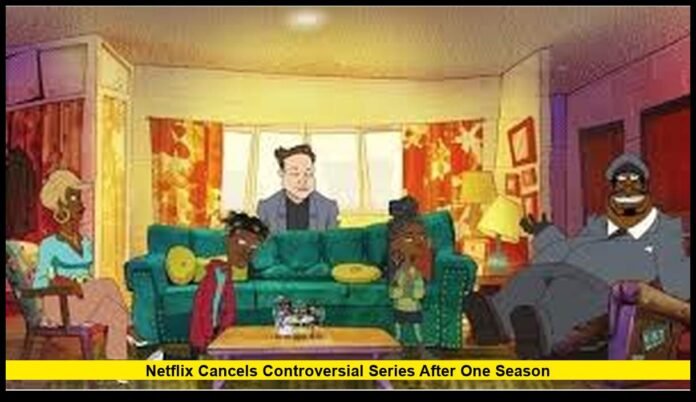

Netflix officially confirmed today that its animated reboot of a beloved 1970s sitcom — Good Times: Black Again — will not return for a second season. The animated revival, which launched in April 2024, is now canceled after just one season, ending hopes for a renewed run.
The Rise and Fall of Good Times: Black Again
The show premiered on April 12, 2024, as an adult-animated reboot of the classic live-action sitcom. The cast included well-known names such as J.B. Smoove, Marsai Martin, Yvette Nicole Brown, Jay Pharoah, and Slink Johnson. The revival aimed to reimagine the adventures of the Evans family for a new generation.
At launch, the reboot generated significant interest and even climbed into Netflix’s U.S. Top 10 during its initial weeks. However, enthusiasm proved short-lived. Over time, viewership declined and the response from both critics and longtime fans turned sharply negative. Many viewers felt the show leaned too heavily on exaggerated stereotypes rather than offering a meaningful update of the original series’ tone and message.
Civil-rights groups also raised red flags. Some criticized the series for portraying Black characters in a way many considered reductive or offensive. The reboot’s tone and content sparked protests from segments of the audience who felt the animated format failed to capture the social commentary and humanity that made the original sitcom memorable.
What the Numbers and Reaction Reveal
- During its first six months (January–June 2024), the reboot drew roughly 3.3 million views. By mid-2025, it had accumulated another 2.1 million — totaling about 5.4 million views. Even with those numbers, Netflix decided it wasn’t enough to green-light another season.
- Initial curiosity didn’t translate into sustained engagement. The steep drop in viewership signals that the reboot failed to maintain its audience beyond the first wave of interest.
- Many original fans reacted negatively. They expected a modern take that respected the spirit of the original show; instead, they felt the content came off as forced and insensitive. That backlash — both cultural and critical — played a significant role in the decision to cancel.
In short, the numbers suggested modest engagement, while public reception tilted toward disappointment and frustration.
Broader Context: A Larger Wave of Netflix Cancellations
The cancellation of Good Times: Black Again comes as part of a broader pattern inside Netflix. The platform recently confirmed that two other animated series — Exploding Kittens and Twilight of the Gods — will also not return for second seasons.
This suggests Netflix is becoming more selective about which animated projects it continues to support. A combination of underwhelming viewership, mixed reception, and sometimes controversial content appears to drive those decisions. For creators and studios, it’s a clear signal: even big-name properties and strong voice casts don’t guarantee longevity without solid engagement and thoughtful execution.
What Went Wrong: Why the Reboot Failed to Stick
Several factors contributed to the cancellation:
- Misguided tone and style: For many fans, the animated version lacked the warmth, nuance, and social insight of the original sitcom. The humor came across as crass or shallow instead of insightful, and the animation style didn’t help soften the blow.
- Cultural insensitivity: Depicting Black life in broad stereotypes didn’t sit well with audiences or civil-rights groups. The animated reboot faced criticism for failing to respect the legacy and significance of the original series.
- Weak fan buy-in: Longtime fans expected at least a spiritual continuation. Because the animated reboot made major changes in format, tone, and characters, many felt disconnected. That disconnect translated into poor word-of-mouth and limited engagement beyond the initial buzz.
When nostalgia fails to land, and cultural respect falters, even a name as recognizable as Good Times couldn’t save the reboot.
The Fallout: Audience, Legacy, and Streaming Strategy
For Viewers
This cancellation puts a close on the possibility of seeing the revamped Evans family again. For fans of the original show — and curious newcomers alike — the reboot now becomes a closed chapter. Some may revisit the original series, prompting renewed appreciation for what made it special in the first place.
For Creators and the Industry
The outcome serves as a cautionary tale: reviving a classic doesn’t guarantee success. Streaming platforms have become more ruthless in evaluating performance metrics — not just premiere-day views, but long-term retention and reception. Projects that rely heavily on nostalgia or shock value may get short lifespans if they fail to build steady engagement.
For Netflix’s Content Approach
With multiple animated series canceled recently, Netflix appears to be tightening its criteria for renewals. The company seems to favor projects that blend strong storytelling, audience resonance, and sustainable appeal — rather than relying solely on a recognizable brand or star power. This trend could reshape how reboots and legacy adaptations are approached moving forward.
What Fans and Critics Are Saying
Reactions have ranged from disappointment to relief. Some viewers lament the end of a fresh attempt to modernize a classic. Others say the cancellation was inevitable, given the show’s tone and execution.
A recurring sentiment: the reboot tried to pressure nostalgia instead of building something new. Attempting to reimagine a beloved sitcom through crude humor and caricature alienated viewers who remembered the original for its heart, realism, and social conscience.
Still, for some, the reboot had redeeming moments. A few supporters acknowledged that the voice cast delivered solid performances, and that the idea of updating stories for modern audiences had potential — albeit one that wasn’t realized here.
Lessons for Future Reboots
The cancellation of Good Times: Black Again offers several takeaways for anyone considering rebooting a culturally significant show:
- Honor the spirit of the original: Updated versions should respect what made the original beloved — characters, tone, social context — rather than just restating them in new packaging.
- Modernize thoughtfully: Nostalgia alone rarely works. Reboots need clear vision, up-to-date cultural awareness, and storytelling that resonates with today’s audiences.
- Value long-term engagement over sensation: Premieres can earn buzz, but renewals require staying power. Sustained viewership matters more than initial spikes.
- Recognize audience sentiment: Especially with culturally important shows, respecting the core audience and community voice is crucial. Insensitivity or misrepresentation rarely ends well.
If future creators and streaming platforms learn from these mistakes, a reboot might succeed — but only with care, authenticity, and respect at its core.
Final Thoughts
The cancellation of Good Times: Black Again marks the end of one of Netflix’s bold attempts to reimagine a classic sitcom. The reboot’s failure serves as a reminder that legacy, nostalgia, and star power must be matched with thoughtful storytelling and cultural awareness.
For fans of the original show — and those curious about modern reboots — its brief life on Netflix may feel like a missed opportunity. Still, its failure could signal a shift toward more careful, considered revivals in the future.
What do you think should come next? Do streaming platforms owe it to fans to revive classic shows with care — or should some stories be left untouched?