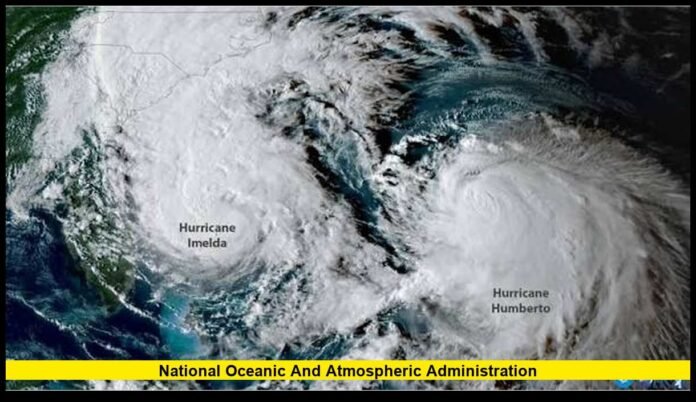

National Oceanic and Atmospheric Administration continues to play a vital role in protecting lives, supporting businesses, and delivering trusted environmental information across the United States. As of July 2026, the agency remains focused on accurate weather forecasting, hurricane monitoring, ocean research, fisheries management, and satellite operations. From issuing severe weather warnings to tracking tropical systems and studying the nation’s oceans, NOAA provides services that millions of Americans depend on every day.
Whether someone checks the daily weather before leaving home, follows a hurricane forecast during storm season, or relies on marine forecasts for work on the water, NOAA’s science helps guide important decisions. The agency’s work reaches nearly every corner of American life, making it one of the country’s most influential scientific organizations.
A Federal Agency With a Nationwide Mission
Established in 1970, NOAA operates within the U.S. Department of Commerce and brings together experts in meteorology, oceanography, marine biology, environmental science, engineering, and data analysis.
Its mission centers on understanding changes in the atmosphere, oceans, and coasts while delivering information that protects lives, strengthens the economy, and preserves natural resources.
Today, NOAA manages an extensive network of weather stations, satellites, research vessels, aircraft, ocean buoys, radar systems, and scientific laboratories that collect environmental data around the clock.
The agency’s responsibilities include:
- Daily weather forecasting
- Hurricane and tropical cyclone monitoring
- Climate observations
- Ocean exploration
- Fisheries management
- Marine sanctuary protection
- Coastal resilience programs
- Navigation services
- Environmental research
- Satellite operations
Each of these programs contributes to safer communities and a stronger economy across the United States.
Weather Forecasting That Millions Trust Every Day
The National Weather Service, one of NOAA’s best-known divisions, delivers forecasts and warnings that reach nearly every American.
Meteorologists analyze enormous amounts of information collected from satellites, Doppler radar, weather balloons, ocean buoys, aircraft, and thousands of observation stations. Powerful computer models transform those observations into forecasts that help people prepare for changing conditions.
The National Weather Service issues alerts for:
- Severe thunderstorms
- Tornadoes
- Flash flooding
- River flooding
- Winter storms
- Ice storms
- High winds
- Extreme heat
- Coastal flooding
- Dense fog
Local emergency officials, airlines, hospitals, schools, utilities, and transportation agencies rely on these forecasts throughout the year.
Hurricane Season Remains a Top Priority
Every Atlantic hurricane season brings increased attention to NOAA’s forecasting capabilities.
During 2026, forecasters expect overall Atlantic tropical activity to remain below the long-term average because atmospheric conditions associated with El Niño are expected to reduce storm development across parts of the basin.
Even with fewer expected storms, NOAA continues emphasizing an important message: a quiet season does not eliminate the threat of a damaging hurricane making landfall.
Residents along the Gulf Coast, Atlantic Coast, Puerto Rico, and the U.S. Virgin Islands are encouraged to maintain emergency plans and monitor official forecasts throughout the season.
Preparedness remains essential regardless of seasonal storm totals.
Continuous Monitoring of Tropical Systems
Meteorologists monitor weather disturbances every day across:
- The Atlantic Ocean
- Caribbean Sea
- Gulf of America
- Eastern Pacific Ocean
When conditions become favorable, specialists begin issuing tropical outlooks and forecasts well before storms reach populated areas.
The National Hurricane Center provides regular updates including:
- Storm position
- Forecast track
- Wind speeds
- Rainfall expectations
- Storm surge outlooks
- Potential hazards
These products help emergency managers, businesses, and families make informed decisions before severe weather arrives.
Weather Satellites Keep Watch Around the Clock
NOAA operates one of the world’s most advanced environmental satellite systems.
These satellites orbit Earth continuously, collecting images and measurements that improve forecasting accuracy.
Satellite observations monitor:
- Developing hurricanes
- Thunderstorm growth
- Wildfire smoke
- Snow cover
- Ocean temperatures
- Cloud movement
- Atmospheric moisture
- Sea ice
- Coastal conditions
Without satellite observations, modern forecasting would be far less accurate.
Data gathered from space also supports aviation safety, maritime navigation, agriculture, emergency management, and scientific research.
Advanced Forecast Models Continue to Improve Accuracy
Forecast technology has advanced dramatically during the past decade.
NOAA combines information from thousands of observation points using sophisticated computer models capable of processing enormous amounts of atmospheric data within minutes.
Meteorologists evaluate:
- Temperature
- Humidity
- Wind direction
- Air pressure
- Ocean temperatures
- Jet stream patterns
- Rainfall potential
These models help forecasters predict severe weather earlier while improving the accuracy of multi-day forecasts.
Scientists continue refining hurricane intensity forecasts, an area that has historically presented one of meteorology’s greatest challenges.
Ocean Research Supports Coastal Communities
Weather is only one part of NOAA’s mission.
The agency also conducts extensive ocean research throughout U.S. waters and beyond.
Research teams study:
- Ocean circulation
- Coral reef ecosystems
- Coastal erosion
- Marine biodiversity
- Deep-sea environments
- Water temperatures
- Ocean chemistry
- Coastal habitats
Research vessels spend months at sea collecting information that improves scientific understanding of marine ecosystems.
This information supports conservation efforts while helping industries that depend on healthy oceans.
Protecting America’s Fisheries
Commercial and recreational fishing contribute billions of dollars to the U.S. economy every year.
NOAA Fisheries works with fishing communities to maintain sustainable fish populations while supporting long-term economic growth.
Responsibilities include:
- Fish stock assessments
- Catch limit management
- Habitat restoration
- Species conservation
- Fishery monitoring
- Seafood sustainability initiatives
The agency works closely with regional fishery management councils to balance conservation goals with the needs of commercial and recreational fishermen.
Healthy fisheries also strengthen seafood production and coastal employment.
Marine Sanctuaries Preserve Valuable Ecosystems
NOAA manages a network of National Marine Sanctuaries located across U.S. waters.
These protected areas conserve habitats that support marine wildlife while allowing scientific research, recreation, and education.
Marine sanctuaries protect:
- Coral reefs
- Kelp forests
- Historic shipwrecks
- Whale habitats
- Seabird nesting areas
- Deep-ocean ecosystems
Scientists regularly monitor environmental conditions to ensure these important ecosystems remain healthy for future generations.
Supporting Safe Marine Navigation
Mariners depend on NOAA every day.
The agency produces nautical charts, tidal predictions, current observations, and marine weather forecasts that improve navigation safety.
Commercial shipping companies, fishing vessels, recreational boaters, and the U.S. Coast Guard all rely on NOAA information while operating on America’s waterways.
Updated charts also reduce navigation risks in busy ports and coastal shipping lanes.
Environmental Monitoring Across the Nation
NOAA maintains one of the world’s largest environmental observation networks.
Thousands of instruments collect data on:
- Air temperatures
- Ocean temperatures
- Rainfall
- Snowfall
- River levels
- Drought conditions
- Atmospheric gases
- Coastal water levels
These long-term observations help scientists identify environmental trends while supporting weather prediction and resource management.
Continuous monitoring also strengthens disaster preparedness efforts.
Research Laboratories Drive Scientific Progress
NOAA operates specialized laboratories across the United States that focus on different scientific disciplines.
Research areas include:
- Hurricane science
- Atmospheric chemistry
- Weather modeling
- Ocean dynamics
- Fisheries biology
- Marine ecosystems
- Climate observations
- Environmental technology
Scientists collaborate with universities, federal agencies, and research institutions to improve forecasting and environmental understanding.
Many innovations developed in NOAA laboratories eventually become operational forecasting tools.
Aircraft Provide Critical Storm Information
Hurricane forecasting depends on more than satellites.
Specially equipped research aircraft fly directly into tropical cyclones to collect detailed atmospheric measurements.
These missions gather information about:
- Wind speeds
- Air pressure
- Moisture
- Storm structure
- Ocean conditions
The collected data improves forecast models and helps meteorologists better estimate storm intensity and future movement.
Aircraft reconnaissance has become one of the most valuable tools available during hurricane season.
Helping Communities Prepare for Natural Hazards
NOAA works closely with emergency management agencies throughout the country.
Forecasts and warnings support preparation for numerous hazards, including:
- Hurricanes
- Flooding
- Tornadoes
- Winter storms
- Extreme heat
- Coastal flooding
- Dangerous marine conditions
Emergency managers use NOAA information when making decisions about evacuations, shelter operations, road closures, and public safety messaging.
Early warnings often provide valuable time for communities to prepare.
Technology Strengthens Public Access
NOAA distributes weather and environmental information through multiple digital platforms.
Americans can access:
- Forecast maps
- Radar imagery
- Hurricane updates
- Marine forecasts
- River forecasts
- Climate summaries
- Weather alerts
Television stations, smartphone apps, emergency alert systems, and countless public services integrate NOAA data into their daily operations.
This broad distribution ensures important weather information reaches the public quickly.
Education and Public Outreach
Beyond forecasting, NOAA invests in education programs that encourage environmental awareness.
Students, educators, and community organizations participate in activities involving:
- Ocean science
- Weather observations
- Marine conservation
- Fisheries education
- Environmental stewardship
These initiatives help inspire future scientists while improving public understanding of weather and ocean systems.
Economic Impact Across the United States
NOAA’s work supports numerous industries that depend on accurate environmental information.
Major sectors benefiting from NOAA services include:
- Agriculture
- Commercial fishing
- Aviation
- Shipping
- Energy production
- Tourism
- Insurance
- Construction
Reliable forecasts help businesses reduce risk, improve planning, and protect employees and customers.
The economic value generated through NOAA’s forecasting and scientific services extends far beyond weather reports.
Looking Ahead Through the Rest of 2026
As hurricane season continues and weather patterns evolve, NOAA remains focused on delivering accurate forecasts, advancing scientific research, supporting sustainable fisheries, and protecting coastal communities.
Its scientists, meteorologists, engineers, researchers, and emergency support teams continue working every day to improve forecasting accuracy and provide timely information for the American public.
From severe weather alerts to marine conservation and satellite monitoring, NOAA’s work remains essential to public safety, economic resilience, and environmental stewardship across the United States.
Stay connected for the latest developments, and share your thoughts below on how NOAA forecasts and services impact your community throughout the year.