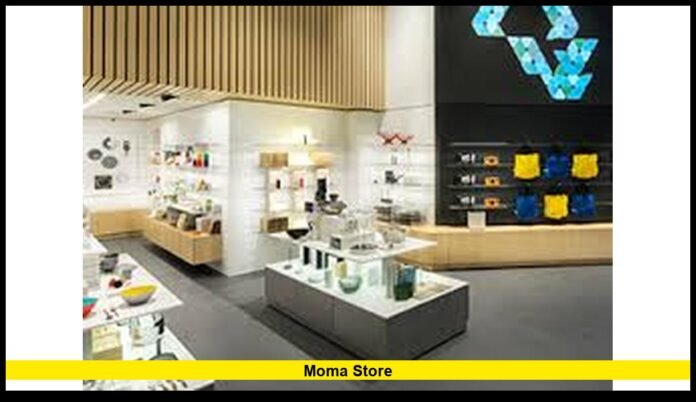

The moma store has emerged as one of the most dynamic destinations in the world of art-driven retail, blending museum-level curation with immersive, design-forward shopping experiences. Recent confirmed developments show a clear shift toward storytelling, architectural renewal, and experiential retail that places creativity at the center of every visit. For a U.S. audience interested in how art, culture, and commerce intersect, these updates reveal how the retail arm of the Museum of Modern Art is redefining what a museum store can be.
A Reimagined Flagship Experience in New York City
A major milestone in the evolution of the moma store has been the full redesign and reopening of its iconic Soho location. The space has been transformed into a brighter, more open environment that highlights both the historic character of the building and the contemporary spirit of modern design.
The renovation removed low ceilings and visual barriers, revealing original architectural elements such as cast-iron columns and detailed ceiling work. This approach allows natural light to flow throughout the store while creating a sense of openness that mirrors the galleries of a modern museum. The result is an environment where visitors can move easily between sections, discovering products in a setting that feels both curated and inviting.
Large-scale artwork integrated into the interior reinforces the connection between the museum’s collection and its retail spaces. These installations serve as visual anchors, reminding visitors that every product is part of a broader creative conversation rooted in modern and contemporary art.
Curated Collections That Tell a Design Story
One of the most noticeable changes inside the moma store is the way products are now presented. Instead of dense shelving and crowded displays, the focus has shifted to carefully edited groupings that allow individual pieces to stand out.
Each section is organized around a theme or design concept, such as innovation in everyday objects, sustainable materials, or iconic forms that have shaped modern living. This storytelling approach encourages visitors to explore not just what an object is, but why it matters in the history of design.
From lighting and furniture to home accessories and stationery, every item is selected for its aesthetic value, functional excellence, and cultural relevance. The emphasis on quality over quantity creates a calmer, more gallery-like atmosphere, where shoppers can take time to engage with each piece.
Experiential Retail Through Creative Pop-Ups
Another confirmed development shaping the moma store experience is the introduction of immersive pop-up environments that transform familiar themes into artistic explorations. One of the most talked-about concepts reimagines the look and feel of a neighborhood market, replacing everyday groceries with design objects inspired by food.
In this environment, visitors encounter lamps shaped like fruit, clocks resembling slices of bread, and decorative objects modeled after vegetables and desserts. These playful forms reference the long tradition of artists using ordinary предметs as subjects, turning the familiar into something thought-provoking and visually striking.
The pop-up format allows the store to evolve throughout the year, offering new reasons for repeat visits and keeping the retail experience aligned with the museum’s spirit of experimentation and creativity.
Blending Art, Lifestyle, and Innovation
Beyond pop-ups, the moma store continues to expand its product range through collaborations and limited-edition releases that reflect global design trends. These partnerships introduce visitors to innovative materials, emerging designers, and re-editions of classic modern objects.
Beauty, fashion accessories, and personal care items have also become part of the curated mix, selected with the same design standards applied to furniture and art objects. This expansion positions the store not only as a place to buy souvenirs, but as a destination for thoughtfully designed lifestyle products.
Every collaboration is approached as a creative project, ensuring that new additions align with the museum’s values of originality, functionality, and cultural significance.
Global Presence and Cultural Reach
The influence of the moma store now extends well beyond New York City. New international retail spaces and bookstore concepts have brought the museum’s design philosophy to audiences around the world. These locations combine art publications, design objects, and educational materials, reinforcing the museum’s mission to make modern and contemporary art accessible on a global scale.
Online platforms further expand this reach, allowing customers across the United States and internationally to explore curated collections, limited editions, and seasonal features. The digital experience mirrors the in-store approach, with editorial content and thematic groupings that guide visitors through the world of modern design.
How Retail Reflects the Museum’s Mission
At its core, the evolution of the moma store reflects a broader shift in how cultural institutions engage with the public. Retail is no longer a secondary function. It is an extension of the museum’s educational and artistic mission.
Key elements of this transformation include:
- Design as Education: Products are presented as examples of innovation, craftsmanship, and creative thinking.
- Experience Over Transaction: Store layouts and pop-ups encourage exploration and discovery, not just purchasing.
- Connection to Art History: Many objects reference movements, artists, and ideas found in the museum’s collection.
- Support for Creativity: Sales contribute directly to sustaining exhibitions, programs, and public access to art.
This approach positions the store as a cultural space in its own right, where visitors engage with design in the same thoughtful way they engage with artworks in the galleries.
The Role of Architecture and Atmosphere
The physical environment plays a crucial role in shaping the visitor experience. Open sightlines, warm materials, and flexible display systems create a sense of calm and clarity. Lighting is carefully designed to highlight textures and forms, while neutral color palettes allow products and artwork to take center stage.
Seating areas and reading corners invite visitors to pause, browse books, and reflect, blurring the line between retail, exhibition, and lounge space. This layered atmosphere supports longer visits and deeper engagement with the objects on display.
Why the moma store Matters in Today’s Retail Landscape
In an era when online shopping dominates convenience, the success of the moma store demonstrates the enduring appeal of physical spaces that offer meaning, inspiration, and sensory experience.
What sets it apart is not only the quality of the products, but the context in which they are presented. Each visit becomes a journey through ideas, materials, and forms that have shaped modern life. For students, designers, collectors, and casual visitors alike, the store offers a tangible connection to the creative world.
As museum retail continues to evolve, this model shows how commerce and culture can coexist in a way that enriches both.
Looking Ahead
With ongoing pop-ups, rotating collections, and international expansions, the moma store is positioned to remain a leading example of how design retail can function as an extension of a world-class cultural institution.
Its focus on curation, storytelling, and immersive experience ensures that each visit offers something new, whether through a redesigned space, a limited-edition object, or a concept that transforms everyday themes into artistic explorations.
For anyone interested in modern design, contemporary culture, and the future of experiential retail, the store continues to be a place where creativity and commerce meet in meaningful ways.
Share your thoughts on how museum retail is evolving and stay connected for more updates on the world of design and culture.