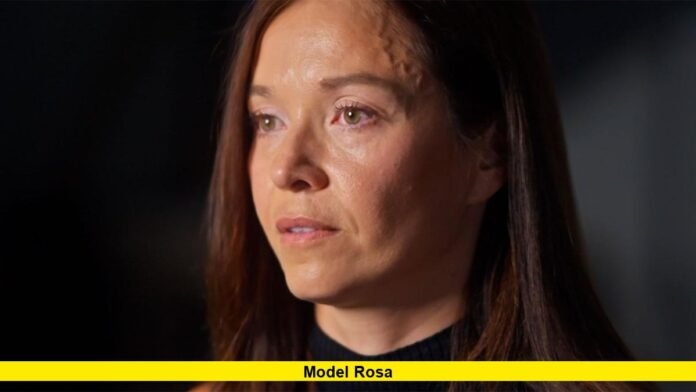

Model Rosa is at the center of renewed scrutiny surrounding Jeffrey Epstein’s connections to the modeling industry after she described being sent to his Palm Beach, Florida, residence for two photoshoots in 2009. According to her account, Jeff Fuller, who led the U.S. division of MC2 Model Management, arranged the assignments when she was pursuing a modeling career in America.
Her allegations raise important questions about how young models were introduced to Epstein, what modeling agencies knew about the assignments they arranged, and whether adequate protections existed for inexperienced talent. The account also brings attention to the professional relationships surrounding Epstein during the period after his 2008 Florida conviction.
The case involves serious allegations that require careful examination. Rosa’s statements, the reported travel arrangements and the responses attributed to the people involved should be distinguished from facts established through legal proceedings.
Inside the Two Photoshoots at Epstein’s Palm Beach Residence
Rosa has described the photo sessions as unusual and lacking the professional arrangements normally associated with a modeling assignment. She said there was no stylist and that the person taking the pictures was Nadia Marcinkova, Epstein’s girlfriend at the time.
According to her account, the photographs were never used. She later came to believe the sessions had been arranged to create an opportunity for Epstein to gain access to her under the appearance of legitimate modeling work.
The reported circumstances have become a central part of the allegations against MC2’s former U.S. leadership. Rosa maintains that the agency should have known where she was being sent and should have taken responsibility for her safety.
A reported expense statement is also relevant to the dispute. Rosa presented documentation that she says indicates Fuller booked her return flight from Palm Beach after the second session. Fuller had said he did not know she was going to Epstein’s home.
The available information raises questions about who arranged the trips, what was communicated to the model and whether the assignments were properly vetted. Those questions require evidence beyond the existence of a booking or travel expense alone.
Epstein’s Criminal History Adds Important Context
The photoshoots allegedly took place in 2009, after Epstein’s Florida conviction in 2008 for state offenses involving prostitution and a minor.
Despite his conviction, Epstein was permitted to leave jail for work under the terms of his sentence. His continued access to professional networks and young women during that period has since attracted significant scrutiny.
In July 2019, federal prosecutors in New York charged Epstein with sex trafficking of minors and conspiracy. The indictment alleged that he sexually exploited underage girls over a period of years and paid some victims to recruit others.
Epstein died in federal custody in August 2019 while awaiting trial on those federal charges. His death ended the criminal prosecution against him, but it did not eliminate the civil claims, investigations and public questions surrounding his activities.
For Rosa, the timeline is important because she says the modeling assignments preceded her employment as Epstein’s assistant and the sexual abuse she describes. Her allegations concern events that occurred after his Florida conviction, when his criminal history was already established.
Documents Point to Wider Connections Between MC2 and Epstein
The scrutiny surrounding the agency extends beyond Rosa’s experience.
Records associated with the Epstein investigation reportedly indicate that Epstein transferred $1 million to MC2 in 2005. The financial connection has attracted attention because the agency’s owners had publicly denied that Epstein was involved with the business.
Investigative findings have also identified 10 models associated with MC2 who met or communicated with Epstein after his conviction. The existence of those contacts does not establish that each model experienced abuse or that agency personnel knowingly facilitated criminal activity. However, the records have intensified questions about how Epstein maintained relationships within the modeling world.
An email from Fuller to Epstein in March 2012 has also drawn scrutiny. The correspondence discussed another model and referred to the possibility that she might reveal information. The exchange has prompted questions about the nature of the relationship between the agency’s leadership and Epstein.
Taken together, the reported financial records, correspondence and accounts from models provide a broader context for examining the agency’s connections. Each piece of evidence must still be assessed according to what it actually establishes.
What Happened to MC2 and Its Former Leadership?
MC2’s U.S. operation was dissolved in 2019, approximately one month after Epstein’s second arrest. Fuller subsequently established The Source Models, another modeling agency.
Reporting indicates that around 50 models moved from MC2 to the new agency. That transition has raised questions about the continuity of professional relationships within the industry after Epstein’s arrest.
The transfer of models does not itself demonstrate wrongdoing by the new business. Nevertheless, the situation highlights an important distinction between closing a company and addressing the concerns raised about its former practices.
Questions about agency accountability include whether clients were properly screened, whether models received accurate information about assignments and whether concerns could be reported safely. These issues can remain relevant even when a business ceases operating.
Fuller has previously denied knowing that Rosa was going to Epstein’s home or that she was being abused. He did not respond to the latest allegations when approached for comment in the reporting published on November 10, 2026.
Could the Allegations Lead to Greater Legal Accountability?
The case has emerged amid a broader debate over whether individuals and businesses that allegedly helped Epstein gain access to victims should face greater scrutiny.
New York lawmakers have considered legislation aimed at strengthening investigations into people suspected of facilitating sex trafficking. A proposal sponsored by state Sen. Zellnor Myrie would expand investigative powers relating to alleged enablers.
The policy debate centers on how to establish responsibility when an alleged offender relies on intermediaries, professional contacts or recruitment networks. Investigators may need to determine whether those involved knowingly assisted criminal activity, ignored warning signs or had other legally relevant knowledge.
For modeling agencies, the consequences of inadequate safeguards can extend beyond financial and reputational harm. Models may face risks when sent to unfamiliar locations or introduced to clients without sufficient information about the assignment.
Legal responsibility in an individual case depends on the evidence and applicable law. Rosa’s allegations do not amount to a judicial finding against Fuller or any other person mentioned in connection with the agency.
Why Model Rosa’s Account Matters to the Fashion Industry
The allegations have renewed discussion about the power agencies exercise over aspiring models and the safeguards that should accompany that responsibility.
For young people entering the industry, particularly those arriving in a new country, an agency may serve as their primary source of employment opportunities and professional guidance. That dependence can make it difficult to challenge an assignment or question a client introduced by a trusted representative.
Industry protections can include written booking details, verified client identities, clear descriptions of the work, transparent travel arrangements and procedures for reporting inappropriate conduct. Models should also be able to refuse assignments that raise safety concerns without fear of professional retaliation.
The account has implications beyond one agency because it highlights the importance of independent oversight in an industry built around professional access and personal representation.
What Happens Next?
The next developments will depend on whether additional documents emerge, whether the people involved provide further responses and whether investigators or lawmakers take new action.
Travel records, financial documents, correspondence and firsthand testimony may help clarify the circumstances surrounding the photoshoots and the broader relationship between Epstein and modeling professionals. No single record should be treated as conclusive without considering its context.
Rosa’s decision to speak publicly has placed renewed attention on a question that continues to shape the Epstein investigation: how did he maintain access to vulnerable people despite his criminal history, and what responsibility did the people around him have?
As scrutiny of Epstein’s network continues, readers can share their views on model safety, agency accountability and the protections needed to prevent exploitation in the fashion industry.