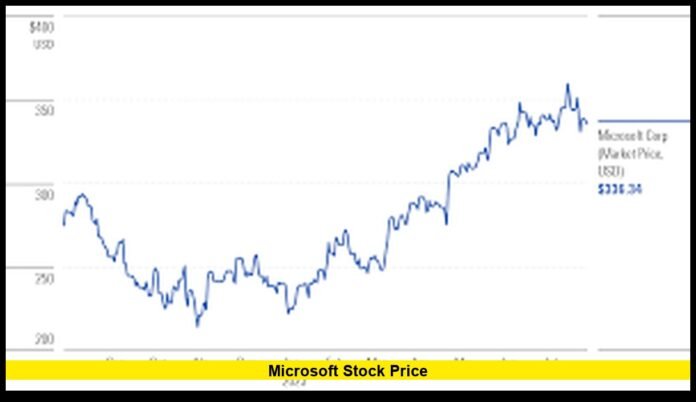

The microsoft stock price continues to be a major focus for investors in 2026 as the technology giant strengthens its position in artificial intelligence, cloud computing, and enterprise software. With businesses around the world increasing their reliance on digital services, Microsoft remains one of the most influential companies in the global market.
Investors are closely following Microsoft’s performance as the company balances aggressive investment in future technologies with the need to maintain strong profitability. The combination of innovation, recurring revenue, and financial stability has helped keep Microsoft among the most watched stocks on Wall Street.
Key Points Summary
╔════════════════════════════════════════════════════════════════════╗
║ – Microsoft remains a leading force in cloud computing and AI. ║
║ – Investor interest has grown as AI adoption accelerates worldwide. ║
║ – Azure continues to generate strong business momentum. ║
║ – Microsoft benefits from multiple revenue streams across industries. ║
║ – The company continues investing heavily in next-generation technology. ║
║ – Market volatility has influenced technology stock performance in 2026. ║
║ – Enterprise customers remain a major source of revenue growth. ║
║ – Long-term investors continue monitoring Microsoft’s strategic direction. ║
╚════════════════════════════════════════════════════════════════════╝
Microsoft’s Position in the Global Technology Industry
Few companies have the scale and influence that Microsoft enjoys today. The company operates in several major markets, including software, cloud infrastructure, artificial intelligence, cybersecurity, gaming, and business productivity tools.
Its products are used by individuals, small businesses, multinational corporations, educational institutions, and government agencies. This widespread adoption provides Microsoft with a strong competitive advantage and helps generate consistent revenue across different economic environments.
As digital transformation continues worldwide, Microsoft’s technology ecosystem remains deeply embedded in daily business operations.
Artificial Intelligence Becomes a Key Growth Catalyst
Artificial intelligence has emerged as one of the biggest drivers behind investor enthusiasm for Microsoft.
Businesses increasingly seek AI-powered solutions to automate tasks, improve efficiency, and gain deeper insights from data. Microsoft has responded by integrating advanced AI capabilities across many of its products and services.
The company’s AI strategy extends beyond software. Significant investments in infrastructure, data centers, and cloud platforms are designed to support future demand for AI applications.
Investors believe these initiatives could open new revenue opportunities while strengthening Microsoft’s position in a rapidly evolving technology landscape.
Cloud Computing Remains at the Center of Growth
Cloud services continue to play a vital role in Microsoft’s business strategy.
Organizations are moving more workloads to cloud-based environments, creating demand for scalable computing resources, storage solutions, security services, and data analytics tools. Microsoft’s Azure platform has become one of the leading providers in this competitive market.
The continued expansion of cloud adoption across industries supports Microsoft’s growth ambitions. Companies seeking flexible and secure digital infrastructure often turn to cloud providers capable of delivering enterprise-level solutions.
This trend is expected to remain a significant source of revenue growth in the coming years.
Why Investors Continue to Watch Microsoft Closely
Microsoft has built a reputation for combining innovation with financial discipline.
Unlike many technology companies that rely heavily on a single product category, Microsoft generates revenue from multiple segments. This diversification helps reduce business risk while creating opportunities in several high-growth markets.
Some of Microsoft’s major business areas include:
- Cloud computing
- Productivity software
- Enterprise applications
- Artificial intelligence services
- Cybersecurity solutions
- Gaming platforms
- Business collaboration tools
The broad nature of these operations helps provide stability even when individual sectors experience temporary slowdowns.
The Impact of Economic Conditions
Economic trends can influence the performance of technology stocks, including Microsoft.
Factors such as inflation, interest rates, consumer spending, and corporate investment decisions often affect investor sentiment. During periods of uncertainty, technology shares can experience increased volatility.
However, Microsoft’s recurring subscription revenue and strong corporate customer relationships help cushion the company from some market fluctuations. Investors often view these characteristics as strengths during unpredictable economic periods.
Enterprise Technology Spending Drives Revenue
Corporate technology budgets continue to play a major role in Microsoft’s growth story.
Businesses are investing in cloud migration, cybersecurity upgrades, AI integration, and productivity improvements. Microsoft’s broad portfolio allows it to benefit from each of these trends.
As organizations modernize their technology infrastructure, Microsoft remains well positioned to capture additional spending through long-term customer relationships and integrated solutions.
This ongoing demand has helped support confidence in the company’s future growth prospects.
Challenges Facing Microsoft
Despite its strengths, Microsoft faces several challenges.
Competition remains intense in both cloud computing and artificial intelligence. Rival technology companies are investing heavily to expand their own capabilities and market share.
Additionally, the cost of developing and maintaining advanced AI infrastructure continues to rise. Regulatory scrutiny and changing global business conditions may also influence future operations.
How Microsoft manages these challenges will play an important role in shaping investor sentiment moving forward.
Future Growth Opportunities
Several opportunities could help drive Microsoft’s next phase of expansion.
Artificial Intelligence Services
Businesses continue exploring AI-powered tools that improve productivity and decision-making.
Cloud Infrastructure
Demand for scalable cloud services remains strong across industries.
Cybersecurity
Increasing digital threats have created growing demand for advanced security solutions.
Enterprise Productivity
Organizations continue adopting modern workplace technologies to support remote and hybrid work environments.
These growth areas position Microsoft to remain a significant player in the technology sector for years to come.
Investor Outlook for 2026 and Beyond
Looking ahead, investors will continue evaluating Microsoft’s ability to convert innovation into sustainable financial results.
Key areas of focus include AI adoption rates, cloud revenue growth, profitability, and overall market conditions. While short-term stock movements can be unpredictable, Microsoft’s long-term strategy remains centered on technologies expected to shape the future digital economy.
The company’s strong balance sheet, global reach, and established customer relationships provide a foundation that many investors find attractive when considering long-term opportunities.
FAQs
Q: Why is Microsoft stock considered important by investors?
A: Microsoft is one of the world’s largest technology companies and operates across several major growth markets, including AI, cloud computing, and enterprise software.
Q: What role does Azure play in Microsoft’s growth?
A: Azure is Microsoft’s cloud computing platform and remains a major source of revenue and business expansion.
Q: How does artificial intelligence affect Microsoft?
A: AI creates opportunities for new products, services, and revenue streams while strengthening Microsoft’s competitive position.
Q: What are the biggest risks for Microsoft investors?
A: Competition, economic uncertainty, rising infrastructure costs, and regulatory challenges are among the key risks.
Q: Why do long-term investors follow Microsoft closely?
A: The company combines strong financial performance, diversified revenue streams, and exposure to major technology trends.
Do you think Microsoft’s AI and cloud strategy will continue driving growth? Share your opinion below and stay tuned for the latest stock market insights.