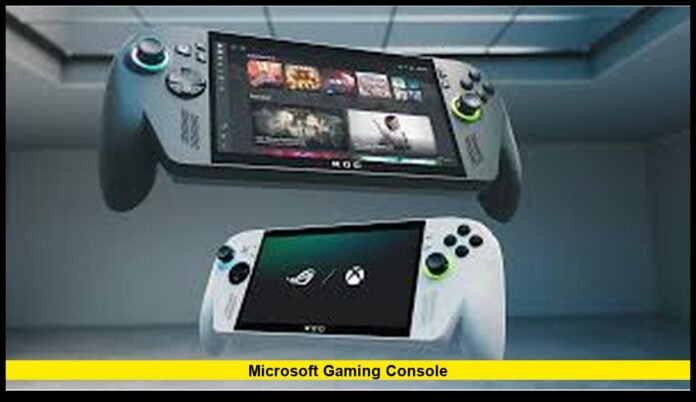

The Microsoft gaming console ecosystem is undergoing one of the most dramatic transformations in its history, as Microsoft brings together console gaming, Windows devices, handheld systems, cloud streaming, and mobile connectivity into a unified experience. As of late November 2025, the company has introduced a series of major upgrades that reshape how U.S. gamers play, connect, and access their libraries across multiple devices.
Microsoft’s strategy is clear: create a gaming environment where players move freely from one device to another, enjoy consistent interfaces, and experience faster, more connected play than ever before.
A Reimagined Ecosystem: The New Direction of Microsoft Gaming
The updates released this fall signal a shift from hardware-centered thinking to an ecosystem-focused approach. While the Xbox Series X and Series S remain central consoles, Microsoft’s vision now stretches far beyond a living-room device. The goal is to unify the entire Xbox environment across screens and form factors.
The changes revolve around three pillars: cross-device consistency, cloud accessibility, and intelligent assistance. These pillars shape how players interact with the platform and how the platform adapts to the player.
A Smarter Mobile Companion: Gaming Copilot
One of the standout additions this year is Gaming Copilot, an AI-driven companion accessible on the mobile app. For gamers who want quick answers or real-time help, this tool provides support without interrupting gameplay.
What It Can Do
- Offer gameplay tips based on user questions
- Assist with achievement tracking
- Help locate in-game objectives
- Provide suggestions for progression
- Support both text and voice input
This tool is especially helpful for players who want assistance without long online searches. It mirrors a trend across the tech world: intelligent support integrated into everyday user experiences.
For U.S. gamers who balance work, commute, or family time, having an always-available companion like this can make complicated games easier to enjoy.
The Full Screen Experience Expands Across Windows 11
Another significant change is the expansion of the Full Screen Experience to a wider range of Windows 11 devices. This interface mirrors the look and function of an Xbox console dashboard, giving players a more uniform environment whether they are on a console or a PC.
How This Changes PC Gaming
- Controller-first navigation
- Simple, console-like menu layout
- Faster game launching
- Better usability for handhelds, tablets, and laptops
- Smooth transitions between Xbox console and Windows devices
This update brings players closer to a world where switching between console and PC feels seamless. It also prepares Windows 11 devices for a future in which gaming becomes more portable and more standardized across hardware.
Cloud Gaming Gets More Powerful and More Flexible
Cloud gaming continues to be one of Microsoft’s major investments. In 2025, cloud gaming improvements allow users to choose streaming resolution on supported games, including sharper 1440p options.
This upgrade improves visual quality and brings streaming closer to the feel of downloaded games. It benefits players who want to enjoy bigger titles without using local storage or waiting for downloads.
Why It Matters
- Reduces the need for high-end hardware
- Expands gaming access across regions
- Makes long sessions more convenient for travelers
- Helps players maximize library access on the go
Cloud gaming’s ongoing refinements position Microsoft as a leader in flexibility and low-barrier access.
A More Connected Future: Multi-Device Gaming Becomes a Standard
Microsoft’s goal is clear: gaming should follow the user. Not the hardware.
This creates practical benefits for American players who use multiple devices throughout the week.
Benefits for the Modern Player
- Continue your console session on a Windows laptop
- Launch a cloud game on a handheld PC
- Use mobile to track progress or check challenges
- Move between rooms or locations without losing momentum
- Enjoy consistent controls, interfaces, and profiles everywhere
This vision transforms gaming from a place you sit to a network you access.
Console Hardware Still Plays a Major Role
While the ecosystem expands across mobile, PC, and cloud, Microsoft’s current console lineup still plays a crucial part in delivering top performance.
Xbox Series X
- Native 4K resolution
- Up to 120 FPS
- Fast SSD technology
- High-end processing power
- Strong backward compatibility
Xbox Series S
- 1440p gameplay with upscaling
- Sleek, compact design
- Digital-first approach
- Affordable entry point for new gamers
The Xbox Series X continues appealing to enthusiasts who want maximum performance, while the Series S remains a favorite among budget-conscious players and digital-first users.
Handheld Devices Rise as a New Way to Play
One of the most notable trends this year is the growth of Windows-powered handheld gaming devices. These handhelds allow players to experience many console-level games through the Xbox app, the Full Screen Experience, or cloud streaming.
Why Handheld Devices Are Gaining Traction
- Portability
- Console-like UI
- Game Pass access
- Modern controls and ergonomics
- Compatibility with both cloud and native Windows titles
This category is still new, but it is shaping the future of portable gaming. Players who grew up with handheld systems now get access to full Windows power and Xbox integration in a device small enough to fit in a bag.
Why These Changes Matter Most for U.S. Gamers
The U.S. gaming community is diverse, tech-savvy, and increasingly mobile. Microsoft’s 2025 strategy aligns with the habits and expectations of this audience.
Greater Choice
Players can use existing devices — laptops, phones, older PCs, or new handhelds — to access games. Consoles remain important, but they’re no longer the only gateway to the Xbox ecosystem.
Better Value
Because improvements are software-driven, players gain upgraded experiences without buying new hardware every few years. This creates a more economical ecosystem that rewards long-term digital ownership.
More Accessible Gaming
New features like Gaming Copilot help newer gamers learn faster and help busy gamers stay connected without deep research.
A Unified Identity Across Devices
Profiles, achievements, friends lists, purchases, and cloud saves follow the user. This makes gaming feel more personal and consistent.
The Road Ahead: What to Expect from the Future of the Microsoft Gaming Console Ecosystem
While no new console has been officially revealed for the near future, Microsoft’s current direction hints at what’s coming over the next few years.
More Powerful Cloud Streaming
Expect stronger stability, possibly wider resolution settings, and improvements in latency that bring cloud play closer to local gameplay.
Deeper PC and Console Integration
As more Windows devices get the Full Screen Experience, Xbox navigation will feel identical across televisions, monitors, and handhelds.
Growth in Handheld Adoption
More manufacturers may enter the handheld gaming space, giving players more portable options built around the Xbox environment.
Continued Ecosystem Expansion
Universal libraries, cloud saves, cross-device launching, and broad compatibility are likely to grow even more streamlined.
A Focus on Software & Services Over Hardware Alone
While consoles remain important, the Xbox identity increasingly centers around an ecosystem — not a single device.
Conclusion
The evolution of the Microsoft gaming console ecosystem in 2025 shows a clear shift toward flexibility, player choice, and unified gaming access. Whether on console, PC, handheld, cloud, or mobile, gamers can enjoy a consistent experience that adapts to their lifestyle. This year’s updates reveal a platform that’s more connected, more user-friendly, and more accessible than ever before.
Share your thoughts below — we’d love to hear how these changes are shaping your gaming experience.