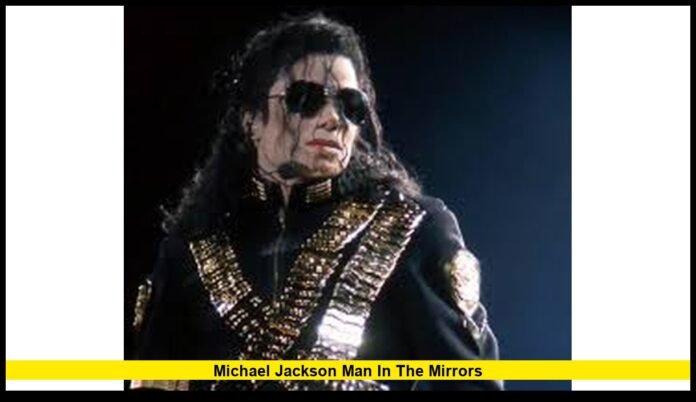

The song Michael Jackson Man in the Mirror continues to stand as one of the most influential and soul-stirring records in pop music history. As of December 2025, nearly four decades after its release, this masterpiece remains a symbol of self-reflection, compassion, and transformation. The timeless message behind Man in the Mirror still connects deeply with listeners across the U.S. and beyond, proving that Michael Jackson’s artistry transcends generations and social boundaries.
How “Man in the Mirror” Was Created
“Man in the Mirror” was released in January 1988 as the fourth single from Michael Jackson’s Bad album. Written by Siedah Garrett and Glen Ballard, and produced by Quincy Jones with Jackson himself, the track broke away from the pop-driven sound of the late 1980s to deliver something profoundly introspective.
The recording sessions featured the Andraé Crouch Choir, a gospel ensemble whose soaring harmonies added emotional gravity. Every note—backed by piano, drums, and strings—was arranged to highlight Jackson’s powerful vocals. He performed the song not as a superstar, but as a human being searching for change within.
The song’s message is simple but deeply moving: before we can change the world, we must first look inward. The line “If you want to make the world a better place, take a look at yourself and then make a change” became one of the most quoted lyrics in history.
Chart-Topping Success and Cultural Impact
When Man in the Mirror was released on January 9, 1988, it quickly gained momentum. Within weeks, it climbed the Billboard Hot 100, reaching No. 1 on March 26, 1988, and holding the top spot for two weeks. The song became Jackson’s tenth U.S. chart-topping single and one of the most beloved records from his Bad era.
The single went on to achieve platinum certification by the Recording Industry Association of America (RIAA) and appeared in numerous year-end and all-time rankings. In the decades since, it has remained a staple on pop and adult contemporary radio stations, particularly during moments of reflection or social awareness campaigns.
By 2025, Man in the Mirror has amassed over 1.3 billion global streams, making it one of Michael Jackson’s most played tracks online. It continues to be a popular choice in memorials, concerts for peace, and humanitarian campaigns.
A Music Video with Purpose
The music video for Man in the Mirror took an unconventional route for a pop single in 1988. Directed by Donald Wilson, it does not focus on Michael Jackson performing the song but instead compiles real footage of social, political, and humanitarian events.
The video includes appearances by historic figures such as:
- Martin Luther King Jr. leading civil rights marches.
- Mother Teresa working among the poor.
- Mahatma Gandhi standing for peace and justice.
- Footage from Live Aid and children’s charities addressing global hunger.
This visual storytelling reinforced the song’s theme—transformation begins with awareness. Rather than glorifying celebrity, it urged viewers to see humanity through a collective lens.
Today, the official video has surpassed 500 million views on YouTube, showing that its message continues to resonate.
Michael Jackson’s Emotional Performances
Michael Jackson performed “Man in the Mirror” countless times, and every performance carried deep emotion. On stage, the song often became the emotional centerpiece of his concerts, where the audience would join him in singing, creating unforgettable moments of unity.
Some of his most notable performances include:
- 1988 Grammy Awards: Jackson’s moving live rendition earned one of the night’s loudest standing ovations.
- Bad World Tour (1987–1989): “Man in the Mirror” was the closing number, often accompanied by stunning light displays and a live choir.
- Dangerous World Tour (1992–1993): Jackson used the song to spotlight global causes, urging audiences to “heal the world, one person at a time.”
After his passing in 2009, the song was featured in numerous tributes and memorials. At the 2009 MTV Video Music Awards, Madonna and Usher delivered heartfelt versions to honor his humanitarian spirit.
The Meaning Behind the Lyrics
At its heart, “Man in the Mirror” is about taking responsibility for one’s own role in making the world better. The song’s lyrics reflect themes of self-awareness, humility, and empathy.
Jackson’s delivery gives life to the emotional struggle of seeing injustice and wanting to act. The gospel arrangement turns that internal reflection into a spiritual awakening. Unlike many of his songs about love or performance, this track focuses on morality and human connection.
The bridge of the song—“I’m starting with the man in the mirror, I’m asking him to change his ways”—remains one of the most recognizable and motivational refrains in popular music. It has been used in speeches, advertisements, and even educational programs as an anthem of positive change.
Global Reach and Lasting Influence
“Man in the Mirror” became a universal symbol of hope. Its message transcended language barriers, making it one of the most covered songs in Michael Jackson’s catalog.
By 2025, the song has been performed by artists and choirs around the world, including:
- Alicia Keys at the 2011 Grammy Awards.
- James Morrison during BBC’s Live Lounge.
- Numerous school choirs across the U.S. during Black History Month events.
The song’s humanitarian tone has also made it a frequent feature in charity concerts and commemorations, especially during times of social unrest or natural disasters.
Streaming data shows that the track sees spikes in listens each January and June—coinciding with the anniversary of its release and Jackson’s birthday celebrations.
Legacy in Streaming and Social Media
In the era of digital music, Man in the Mirror has gained renewed life. On Spotify, the song remains among Michael Jackson’s top five streamed tracks. On TikTok and Instagram, users often pair the song with motivational messages, social awareness videos, and personal transformation journeys.
Recent streaming milestones include:
- Over 950 million Spotify streams in 2025.
- A 200% spike in plays during global mental health awareness campaigns.
- Regular inclusion in curated playlists such as “Motivational Classics” and “Songs That Inspire.”
Younger audiences have embraced the song for its honesty and relevance, proving that its message remains timeless.
Awards and Recognition
Though Man in the Mirror did not win a Grammy in 1989, it earned several accolades over time for its artistry and impact.
- Ranked among Rolling Stone’s “500 Greatest Songs of All Time”.
- Featured in Billboard’s “Top 100 Songs That Defined the 1980s.”
- Included in multiple academic discussions on socially conscious pop music.
The song is now preserved as part of cultural history, studied for its influence on both music and humanitarian activism.
Humanitarian Connection and Meaning in 2025
In today’s social climate, “Man in the Mirror” continues to serve as a reminder of personal accountability. Its lyrics echo the importance of compassion in times of division and conflict.
Organizations across the U.S. have used the song during events promoting community engagement and volunteerism. Schools continue to teach the song’s message as a lesson in empathy and self-improvement.
The Michael Jackson Estate has also used proceeds from digital sales and remastered releases to support global charities that focus on education, hunger relief, and environmental causes—further extending the song’s humanitarian influence.
Michael Jackson’s Artistic Vision
When Michael Jackson recorded “Man in the Mirror,” he aimed to create something beyond entertainment. The song was an emotional statement of purpose, showing that pop music could address serious issues while still moving people to dance and sing.
Jackson often described his music as a tool for healing. With “Man in the Mirror,” he achieved that vision by merging gospel energy with pop accessibility. The balance between introspection and inspiration gave the song a rare authenticity that still feels fresh today.
Every time it plays—on the radio, online, or in a concert hall—it evokes the same emotional power it did in 1988.
Why the Song Still Resonates
Few songs have achieved the lasting cultural impact of Man in the Mirror. It speaks directly to the human experience of wanting to make a difference, especially in a world facing social and environmental challenges.
Its continued popularity stems from its universal message: everyone, regardless of background, has the ability to spark change through self-awareness.
In 2025, the song’s lyrics remain strikingly relevant in conversations about leadership, kindness, and responsibility. Whether played in a classroom, a protest, or a personal playlist, it continues to serve as an anthem for those striving to make the world a better place.
Conclusion
The timeless message of Michael Jackson Man in the Mirror continues to inspire millions around the globe. Decades after its debut, the song stands as a powerful reminder that real change begins within. Its music, message, and meaning prove that Michael Jackson’s artistry was not only about entertainment—it was about awakening humanity.
As the world evolves, “Man in the Mirror” remains a mirror for all of us, reflecting the change we still need to make.