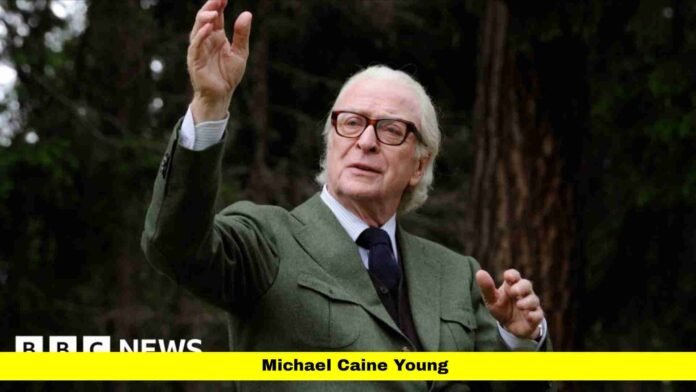

The story of Michael Caine young years is a fascinating journey from modest beginnings to international fame. Born Maurice Joseph Micklewhite Jr. in London in 1933, Caine’s transformation from a working-class boy to one of Britain’s most iconic actors remains one of cinema’s most remarkable success stories. Even today, at 92, his early life continues to inspire new generations of film enthusiasts and aspiring actors worldwide.
Early Life and Humble Beginnings
Michael Caine was born in Rotherhithe, South London, on March 14, 1933, during the Great Depression. His father, Maurice Micklewhite Sr., worked as a fish market porter, while his mother, Ellen Frances, was a charwoman. The family’s circumstances were far from glamorous, and Caine often described his upbringing as tough but honest.
When World War II broke out, young Caine was evacuated from London to Norfolk to escape the bombings. Those early experiences of wartime hardship shaped his resilience and empathy—traits that would later influence his acting. After leaving school at 15, he took up a series of odd jobs before enlisting in the British Army for his national service, where he served in Germany and Korea.
This exposure to global realities and human struggle gave him depth beyond his years—a quality that soon translated into his on-screen presence.
Choosing a Path in Acting
After completing his military service, Caine pursued acting with fierce determination. He worked in small theatre productions, taking any role available to gain experience. He changed his name from Maurice Micklewhite to Michael Caine after seeing a cinema marquee for “The Caine Mutiny.” The name stuck—and soon became synonymous with charisma, class, and authenticity.
In his early twenties, he began landing minor roles in British films and television shows. Although success came slowly, Caine’s unique Cockney accent and everyman charm set him apart from the traditionally posh British actors of the time. His distinct voice and grounded personality made him relatable, ushering in a new kind of British stardom.
Breakthrough Roles in the 1960s
The 1960s marked the rise of young Michael Caine as a global star. His breakout role came in Zulu (1964), where he portrayed Lieutenant Gonville Bromhead. The film was a major success and showcased his ability to embody both confidence and vulnerability on screen.
Soon after, he starred in The Ipcress File (1965), where his portrayal of spy Harry Palmer was an instant hit. Unlike the suave James Bond, Caine’s spy was ordinary yet clever, offering a new kind of realism. The character’s unpolished wit and working-class demeanor reflected Caine’s real-life background, making him a cultural icon of 1960s Britain.
Then came Alfie (1966), a career-defining role that earned him his first Academy Award nomination. Playing a charming but morally conflicted womanizer, Caine demonstrated both depth and range. The role solidified his reputation as a serious actor capable of handling complex characters.
By the end of the decade, Caine starred in The Italian Job (1969), one of his most memorable performances. His line—“You’re only supposed to blow the bloody doors off!”—became one of the most quoted in British cinema history.
Style and Persona of Young Michael Caine
Michael Caine’s youthful persona wasn’t just about acting—it was about style, attitude, and cultural relevance. His Cockney accent, horn-rimmed glasses, and effortless confidence made him a style icon of the swinging sixties. He represented a break from the aristocratic, upper-class actors that dominated British cinema before him.
Caine’s rise also mirrored the social shifts in Britain at the time. The working class was finding its voice, and Caine became a symbol of that movement. He often spoke openly about his roots, reminding audiences that talent and hard work—not privilege—should define success.
Influence of Military Service on His Acting
Caine’s time in the British Army deeply influenced his approach to acting. Having served during the Korean War, he often said that facing real danger helped him manage fear and nerves on set. This calmness under pressure became part of his screen presence.
In later interviews, Caine revealed that the discipline he learned in the army taught him professionalism and patience—qualities that sustained his six-decade career. The sense of humility and gratitude he carried from those days made him not only respected but beloved in the film industry.
Transition to International Stardom
By the early 1970s, Caine’s fame had gone global. Hollywood embraced him, and he began appearing in major international productions. His success story was rare—a young British actor who could headline American films without losing his identity.
Even as he took on glamorous roles, Caine maintained his grounded demeanor. His early struggles remained part of his character, giving authenticity to every role he played. Whether as a hero, villain, or mentor figure, audiences could always sense the humanity beneath the performance.
The Enduring Appeal of His Early Years
What makes Michael Caine young so captivating, even decades later, is the timelessness of his energy. His early films captured a man full of ambition, charm, and natural confidence—qualities that transcended the era.
Today, younger actors often cite his early career as an influence. His approach to acting—subtle, intelligent, and emotionally honest—changed how British performers were viewed internationally. Caine’s young self redefined what it meant to be a leading man: not distant or perfect, but real and relatable.
Recent Mentions and Reflections
In recent interviews, Caine has looked back fondly on his early days, emphasizing how those formative years built the foundation of everything that followed. He has often mentioned that his youthful drive kept him pushing boundaries long after others slowed down.
Even after announcing his retirement in 2023, Caine remains active in public life. His reflections on youth, perseverance, and humility continue to inspire fans and colleagues alike. His young-era films are frequently rediscovered by newer generations through streaming platforms, keeping his legacy vibrant and alive.
Lessons from His Early Journey
The early life of Michael Caine offers several enduring lessons:
- Stay true to your roots: Caine never abandoned his working-class identity, proving authenticity is powerful.
- Embrace opportunity: He accepted every role that came his way early on, learning from each experience.
- Adapt with time: From black-and-white films to modern-day storytelling, Caine evolved without losing himself.
- Believe in persistence: Success didn’t happen overnight—it was the result of years of discipline and belief.
These lessons from his younger years remain relevant to anyone chasing a dream today.
The Legacy of the Young Michael Caine
The young Michael Caine wasn’t just an actor—he was a symbol of change. His emergence marked the dawn of a new British identity in cinema: confident, real, and unpretentious. Decades later, those same qualities continue to define his career and influence countless others.
His early films serve as a reminder that success often begins with resilience, authenticity, and an unwavering sense of self. The young man from Rotherhithe who once dreamed of being noticed became one of the world’s most celebrated actors, and his story remains as inspiring as ever.
As audiences continue to revisit his early films, one thing is clear: the spirit of Michael Caine young lives on—not just in cinema, but in the timeless belief that determination can transform any life.