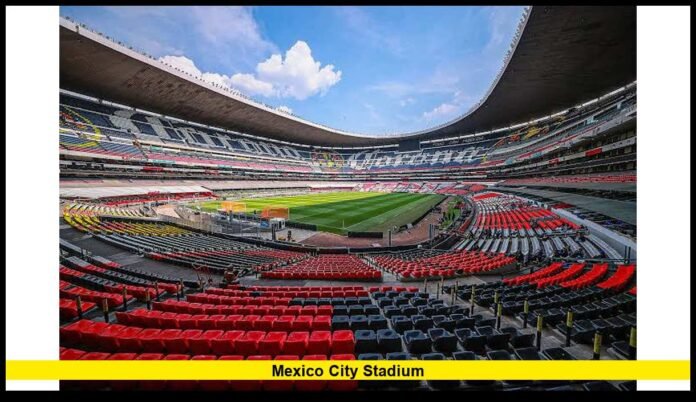

The Mexico City stadium has once again become a global talking point as football fans around the world focus on the 2026 FIFA World Cup. Officially referred to by FIFA as Mexico City Stadium during the tournament, the iconic venue is one of the most famous football stadiums ever built. Known for its rich history, unforgettable World Cup moments, and extensive modernization, it continues to stand as one of the sport’s greatest landmarks.
For decades, the stadium has welcomed legendary players, passionate supporters, and historic international matches. Its significance stretches far beyond Mexico, making it one of the most recognized sporting venues in the world. After completing major renovations for the 2026 FIFA World Cup, the stadium blends its historic identity with modern facilities designed for today’s game.
One of Football’s Most Historic Venues
Since opening in 1966, the Mexico City stadium has occupied a unique place in football history. Built to provide Mexico with a world-class venue capable of hosting major international tournaments, the stadium immediately became one of the largest and most impressive football arenas on the planet.
Its massive seating capacity, distinctive architecture, and electric atmosphere quickly established it as the home of some of football’s biggest occasions. Over nearly six decades, millions of fans have passed through its gates to witness unforgettable sporting moments.
Unlike many stadiums that become outdated after a few decades, this venue has successfully evolved through multiple renovations while preserving the character that made it famous.
Why FIFA Calls It Mexico City Stadium
Many football fans noticed that FIFA uses the name Mexico City Stadium instead of the stadium’s traditional commercial identity during the 2026 FIFA World Cup.
This follows FIFA’s standard policy for international tournaments. Host venues with commercial naming agreements temporarily receive neutral names throughout FIFA competitions. The policy ensures consistency across every tournament venue and avoids commercial branding during official matches.
Outside FIFA events, the stadium continues to operate under its commercial naming agreement. During the World Cup, however, all official schedules, broadcasts, and tournament materials identify it simply as Mexico City Stadium.
The Story Behind the Stadium’s Construction
The idea for the stadium emerged during the early 1960s, when Mexico sought to establish itself as a major destination for international sporting events.
Engineers and architects designed an enormous football venue capable of accommodating tens of thousands of spectators while offering excellent sightlines throughout the stadium.
Construction progressed rapidly, and the stadium officially opened in 1966. Its scale immediately impressed football fans worldwide. At the time, it ranked among the largest stadiums ever built specifically for football.
The venue soon became home to Club América while also serving as the primary stadium for the Mexican national team.
Over the years, the stadium has become closely associated with Mexican football culture, representing both sporting excellence and national pride.
Historic World Cup Moments That Defined Football
Very few sporting venues can match the number of legendary moments that have taken place inside the Mexico City stadium.
The stadium hosted the 1970 FIFA World Cup Final, where Brazil secured its third World Cup title under the leadership of Pelé. That Brazilian team remains one of the most celebrated squads in football history.
Earlier in the same tournament, Italy defeated West Germany in an unforgettable semifinal that became known as the “Game of the Century.” The dramatic match featured multiple extra-time goals and remains one of the greatest World Cup contests ever played.
The stadium again hosted football’s biggest tournament in 1986, producing another collection of unforgettable memories.
Perhaps no player is more closely linked to the venue than Diego Maradona. During the quarterfinal against England, Maradona scored two of the most famous goals in football history within the same match.
His first goal became known worldwide as the “Hand of God.” Only minutes later, he dribbled past multiple English defenders before scoring what FIFA later recognized as the “Goal of the Century.”
Those moments transformed the stadium into one of football’s most legendary locations.
The venue also hosted the 1986 FIFA World Cup Final, further strengthening its remarkable legacy.
The First Stadium to Host Three FIFA World Cups
The 2026 FIFA World Cup added another extraordinary milestone to the stadium’s history.
With tournament matches scheduled in 2026, the Mexico City stadium officially became the first football stadium ever to host matches during three different FIFA World Cups.
Its previous appearances came in:
- 1970 FIFA World Cup
- 1986 FIFA World Cup
- 2026 FIFA World Cup
No other stadium has achieved this distinction.
This accomplishment reflects not only the stadium’s historic importance but also the success of the modernization work completed before the tournament.
Read Also – Monterrey Mexico Soccer Stadium: Inside One of North America’s Premier Football Venues
Extensive Renovations for the 2026 Tournament
Preparing a nearly 60-year-old stadium for the world’s largest football competition required a comprehensive renovation project.
Rather than replacing the iconic venue with a new structure, organizers focused on modernizing nearly every major system while preserving its historic architecture.
The improvements included:
- Installation of a modern hybrid playing surface.
- Renovated locker rooms and player facilities.
- Updated medical areas.
- New hospitality suites.
- Improved premium seating.
- Better accessibility throughout the stadium.
- Modern LED scoreboards.
- Enhanced lighting systems.
- Improved broadcasting infrastructure.
- Expanded media workspaces.
- Upgraded security systems.
- Improved fan entry points.
- Faster communications technology.
These improvements allow the stadium to meet FIFA’s latest tournament standards while maintaining the atmosphere that has made it famous for generations.
Seating Capacity and Stadium Design
Following renovation work, the Mexico City stadium continues to rank among the largest football venues in North America and Latin America.
The stadium accommodates approximately 87,500 spectators, although exact capacities can vary depending on tournament seating configurations.
One of its defining architectural features is the steep seating bowl, which creates outstanding views from nearly every section.
Supporters sit close to the pitch, producing an intense atmosphere that visiting teams frequently describe as one of football’s most intimidating environments.
The design also helps amplify crowd noise, making major international matches especially memorable.
Playing Football at High Altitude
One characteristic that distinguishes the Mexico City stadium from nearly every other major football venue is its elevation.
Located more than 2,200 meters, or over 7,200 feet, above sea level, the stadium presents unique physical challenges for players.
The thinner air affects endurance, recovery, and overall performance, particularly for teams arriving from lower elevations.
Players often experience:
- Faster fatigue during sustained running.
- Increased physical demands during high-intensity play.
- Longer recovery between repeated sprints.
- Different ball movement because of the thinner air.
Mexico’s national team has years of experience competing under these conditions, while visiting nations frequently arrive early to help players adjust before important matches.
Altitude has become one of the defining elements of football in Mexico City.
Home of Club América and the Mexican National Team
Beyond international tournaments, the stadium has served as the longtime home of Club América, one of the most successful clubs in Mexican football.
The club has celebrated numerous domestic championships while playing in front of passionate home crowds.
The stadium has also hosted countless matches involving the Mexican men’s national team.
Many of the country’s most important victories, World Cup qualifiers, and international friendlies have taken place inside this historic venue.
Generations of supporters have created traditions that continue to define the matchday experience.
A Global Destination for Football Fans
Even when no matches are taking place, the Mexico City stadium remains one of the city’s leading tourist attractions.
Football supporters from around the world visit to see the location where so many iconic moments occurred.
For many visitors, walking through the stadium offers an opportunity to connect with football history in a way few other venues can provide.
Its reputation extends well beyond Mexico, attracting travelers from Europe, South America, Asia, and the United States.
Economic Importance to Mexico City
Large sporting events hosted at the stadium generate significant economic activity throughout Mexico City.
Major tournaments increase demand for:
- Hotels.
- Restaurants.
- Local transportation.
- Retail businesses.
- Tourism services.
- Entertainment venues.
International visitors contribute to the local economy while showcasing Mexico City as one of the world’s premier destinations for global sporting events.
The stadium plays an important role in supporting tourism during both domestic league matches and international competitions.
Improvements to the Fan Experience
Modern football fans expect more than comfortable seating.
The renovation project focused heavily on improving the overall experience from arrival through departure.
Visitors now benefit from:
- Faster stadium entry procedures.
- Better crowd circulation.
- Improved accessibility.
- Enhanced food and beverage areas.
- Modern digital displays.
- Higher-quality lighting.
- Improved restroom facilities.
- Better hospitality experiences.
These changes create a more enjoyable environment while preserving the stadium’s famous atmosphere.
Media and Broadcasting Upgrades
International football tournaments require sophisticated broadcasting infrastructure capable of serving audiences across the globe.
The Mexico City stadium received major technology upgrades before the 2026 FIFA World Cup.
Broadcast positions, camera platforms, communication systems, and production facilities were modernized to meet current international standards.
These improvements ensure high-quality television coverage for millions of viewers watching matches around the world.
Why the Stadium Continues to Matter
Many historic stadiums eventually lose relevance as newer venues replace them.
The Mexico City stadium has followed a different path.
Instead of becoming a museum of past achievements, it continues to host some of football’s biggest competitions while adapting to modern expectations.
Its unique combination of history, atmosphere, architecture, and international significance makes it one of the sport’s most respected venues.
Very few stadiums can claim such a long list of legendary matches while remaining an active centerpiece of global football.
The Stadium’s Role in the 2026 FIFA World Cup
The 2026 FIFA World Cup represents another defining chapter in the stadium’s remarkable history.
After years of preparation and modernization, the venue welcomed the world’s attention once again as one of the tournament’s flagship stadiums.
Its selection reflects FIFA’s confidence in both its historic importance and its ability to deliver a modern matchday experience.
By hosting World Cup matches for a third time, the stadium has secured a place unlike any other in football history.
Lasting Legacy
The Mexico City stadium remains much more than a football venue. It is a symbol of sporting excellence, national pride, and football tradition.
From Pelé’s triumph in 1970 to Diego Maradona’s unforgettable brilliance in 1986 and the historic achievement of becoming the first stadium to host matches in three FIFA World Cups, its legacy continues to grow.
The successful modernization completed ahead of the 2026 tournament ensures that future generations will experience one of football’s most celebrated stadiums while preserving the history that made it famous.
Its story reflects the evolution of football itself—honoring the past while embracing the future.
Have thoughts about the Mexico City stadium or the 2026 FIFA World Cup? Share your opinion in the comments and follow our coverage for more football news and stadium updates.