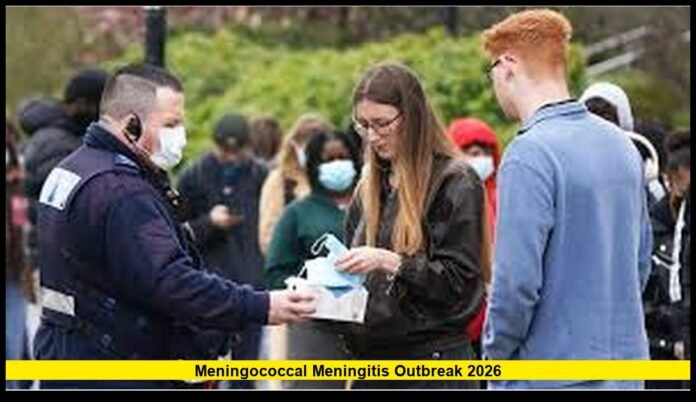

Meningococcal meningitis outbreak concerns remain in focus in 2026 as U.S. health officials continue tracking confirmed clusters of cases and reinforcing prevention efforts. While the disease is rare nationwide, recent localized cases have prompted targeted responses, including vaccination campaigns, public alerts, and increased awareness across high-risk communities.
Health authorities emphasize that early detection and vaccination remain the most effective tools to reduce severe outcomes. The situation in 2026 highlights the importance of staying informed about symptoms, transmission, and protective measures.
What Is Meningococcal Meningitis?
Meningococcal meningitis is a serious bacterial infection caused by Neisseria meningitidis. It affects the meninges, which are the protective layers surrounding the brain and spinal cord.
The disease can develop rapidly and become life-threatening within hours. Quick medical treatment is essential to improve survival and reduce complications.
Key Characteristics
- Caused by specific strains of bacteria
- Can lead to inflammation of the brain and spinal cord
- Spreads through close personal contact
- Requires urgent medical care
Even with treatment, the infection can have severe consequences, making prevention critical.
Current U.S. Situation in 2026
As of March 2026, the United States is not experiencing a nationwide surge. However, public health officials have identified localized clusters in certain regions and communities.
These clusters often occur in environments where people live or interact closely. Health departments respond quickly to limit further spread.
Where Cases Are Most Likely to Occur
- College campuses and dormitories
- Military housing and training facilities
- Community groups with close social interaction
Authorities continue to monitor trends and adjust response strategies as needed.
How the Disease Spreads
The bacteria responsible for meningococcal meningitis spread through respiratory droplets and saliva.
Common Ways It Spreads
- Coughing or sneezing near others
- Sharing drinks, food, or utensils
- Kissing or prolonged close contact
- Living in close quarters with an infected person
Unlike some airborne illnesses, it usually requires direct or extended contact for transmission.
Symptoms: Early Signs and Severe Warning Signals
Recognizing symptoms early can make a significant difference. The disease often begins with flu-like symptoms but can worsen quickly.
Early Symptoms
- Fever
- Headache
- Fatigue
- Nausea
Advanced Symptoms
- Stiff neck
- Sensitivity to light
- Confusion
- Vomiting
Emergency Signs
- Seizures
- Difficulty waking or staying alert
- Cold extremities with severe pain
- Purple or dark skin rash
Immediate medical attention is critical when these symptoms appear.
Who Faces the Highest Risk?
Certain populations are more vulnerable during a meningococcal meningitis outbreak.
High-Risk Groups
- Teenagers and young adults
- College students in shared housing
- Individuals with weakened immune systems
- People living in crowded environments
These groups often receive targeted vaccination recommendations and public health guidance.
Vaccination: The Most Effective Protection
Vaccines play a central role in preventing meningococcal disease.
Types of Vaccines Available
- MenACWY vaccine: Covers four major bacterial strains
- MenB vaccine: Protects against serogroup B
Recommended Schedule in the U.S.
- First dose at ages 11–12
- Booster at age 16
- Additional doses for high-risk individuals
Vaccination rates have improved over time, but gaps still exist, especially among certain age groups.
Public Health Response in 2026
When officials detect a meningococcal meningitis outbreak, they act quickly to contain it.
Key Response Actions
- Identifying close contacts of infected individuals
- Providing preventive antibiotics
- Expanding vaccination efforts in affected areas
- Issuing public health alerts and guidance
These measures help prevent additional cases and protect communities.
Treatment and Medical Care
Meningococcal meningitis requires immediate hospitalization and treatment.
Treatment Methods
- Intravenous antibiotics
- Supportive care for symptoms
- Monitoring for complications
Early treatment improves survival rates and reduces the risk of long-term damage.
Possible Complications
- Hearing loss
- Brain injury
- Limb damage in severe cases
Prompt care significantly lowers the likelihood of these outcomes.
Why Awareness Matters More Than Ever
Even though the disease remains rare, its rapid progression makes awareness essential.
In 2026, health campaigns focus on:
- Educating the public about symptoms
- Promoting vaccination
- Encouraging early medical intervention
These efforts aim to reduce both the number of cases and their severity.
Role of Schools and Universities
Educational institutions play a major role in prevention and response.
Common Measures
- Requiring proof of vaccination for enrollment
- Hosting vaccination clinics on campus
- Sharing information about symptoms and prevention
These steps help reduce risk in environments where close contact is common.
Understanding Outbreaks vs. Isolated Cases
Not every case signals an outbreak. Public health officials classify situations based on patterns.
Isolated Cases
- Occur individually
- No direct connection between cases
Outbreaks
- Multiple related cases
- Occur within a specific group or location
This distinction helps determine the level of response needed.
Preventive Steps for Individuals
People can take simple actions to reduce their risk.
Practical Prevention Tips
- Stay up to date on vaccinations
- Avoid sharing personal items
- Practice good hygiene
- Seek medical care if symptoms appear
These steps are especially important during periods of increased concern.
The Importance of Rapid Diagnosis
Quick diagnosis is essential in controlling the disease.
Benefits of Early Detection
- Immediate treatment for affected individuals
- Faster identification of close contacts
- Reduced risk of further spread
Healthcare providers remain alert to symptoms, especially during reported clusters.
Key Facts About Meningococcal Disease
- It is rare but can be life-threatening
- Symptoms can worsen within hours
- Vaccination provides strong protection
- Early treatment improves outcomes
These facts highlight why public awareness remains critical.
Looking Ahead in 2026
Health officials continue monitoring cases and adjusting strategies. Vaccination campaigns and public education remain central to prevention efforts.
Advances in healthcare and awareness have improved outcomes, but vigilance remains necessary.
Communities, schools, and healthcare providers all play a role in reducing the impact of the disease.
Conclusion
The meningococcal meningitis outbreak concerns in 2026 serve as a reminder of how quickly serious infections can develop and spread. While cases remain limited, the potential severity of the disease makes prevention and awareness essential.
By staying informed, recognizing symptoms, and keeping vaccinations up to date, individuals can help protect themselves and their communities.
Have you taken steps to protect yourself and your family? Share your thoughts and stay informed about important health updates.