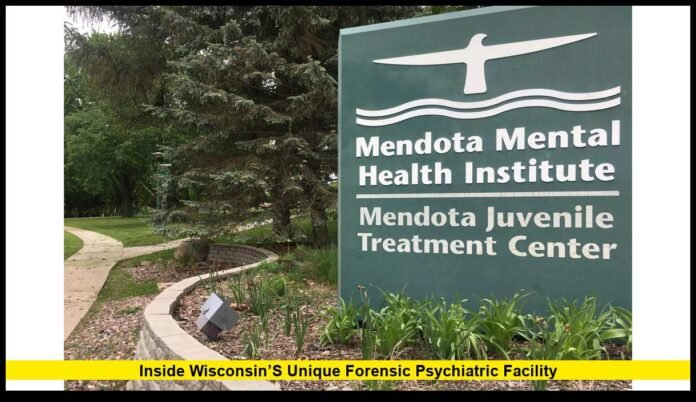

The Mendota Mental Health Institute (MMHI) in Madison, Wisconsin, plays a unique and vital role in the state’s mental health and legal systems. It treats individuals with serious psychiatric conditions, many of whom have been involved with the courts.
In 2025, Mendota faces growing challenges. Rising demand, staffing shortages, and legal pressures are pushing the facility to expand and adapt. At the same time, its treatment programs and forensic expertise remain a national model.
A Historic Institution with a Modern Purpose
Mendota Mental Health Institute opened its doors in 1860. Over the past century and a half, it has transformed from a traditional state hospital into one of Wisconsin’s most important forensic psychiatric facilities.
Today, it serves two main groups:
- Forensic patients – Individuals found incompetent to stand trial or not guilty by reason of mental disease or defect.
- Civil patients – People who are civilly committed because their mental illness poses a danger to themselves or others.
Unlike a typical hospital, Mendota is a secure facility designed to treat people with complex mental health conditions while also supporting the legal system. Its work affects patients, families, courts, and entire communities across Wisconsin.
Growing Demand Meets Staffing Shortages
In recent years, Mendota has experienced a sharp increase in the number of patients referred from the courts. Judges are ordering more defendants to receive competency restoration treatment, which Mendota specializes in. This surge has led to capacity strains.
At the same time, the facility is facing staffing shortages, similar to hospitals and mental health centers nationwide. Critical roles—psychiatrists, nurses, therapists, and support staff—have been difficult to fill. This has made it harder to admit new patients quickly and maintain program schedules.
As a result, many individuals ordered to Mendota are stuck waiting in county jails. Some wait weeks or even months before a bed becomes available. For people with severe psychiatric conditions, these delays can worsen symptoms and slow recovery.
Expansion Plans Underway
To tackle these challenges, Wisconsin officials have approved major expansion efforts for Mendota Mental Health Institute.
New Treatment Wing
A new wing is being built to provide additional space for forensic patients. This unit will focus on competency restoration and psychiatric stabilization. It will add dozens of beds and specialized treatment areas.
Recruiting More Staff
The state is running aggressive hiring campaigns. These include sign-on bonuses, higher pay for hard-to-fill roles, and programs designed to attract mental health professionals to public service.
Better Coordination with Counties
Officials are improving communication with counties to speed up transfers and reduce waitlists. This collaboration aims to get patients out of jails and into treatment faster.
The expansion is expected to ease pressure on the system, though it may take several years to fully meet demand.
A Distinctive Treatment Model
Mendota stands out for its evidence-based treatment programs, especially for patients involved in the legal system. Its approach focuses on both mental health recovery and legal competency, making it different from most psychiatric hospitals.
Stabilizing Mental Health
Upon admission, patients receive a full psychiatric evaluation. Teams of psychiatrists, nurses, and therapists work to stabilize symptoms through medication, therapy, and structured daily routines. The goal is to help patients regain control and prepare for treatment or court.
Competency Restoration Programs
For patients found incompetent to stand trial, Mendota provides structured programs that combine therapy and legal education. These programs teach individuals about courtroom roles, their charges, and how to work with attorneys. The goal is to help them understand the legal process and actively participate in their defense.
Behavioral Therapy
Mendota uses behavioral interventions to reduce aggression and encourage positive change. These programs are especially important for patients with violent histories or impulse control problems.
This integrated model has earned Mendota national recognition. It demonstrates that legal competency and mental health treatment can work hand in hand.
Specialized Units for Youth
Another distinctive part of Mendota is its youth programs. The facility runs specialized units for juvenile offenders with severe psychiatric conditions.
These programs focus on rehabilitation rather than punishment. Young patients receive intensive therapy, structured schedules, and behavior-focused treatment to help them build healthier coping strategies.
Mendota’s youth programs have been studied nationwide. Research has shown that young people who go through these programs are less likely to reoffend compared to those who remain in traditional correctional facilities.
Legal and Ethical Questions
Operating at the crossroads of mental health care and the legal system brings complex ethical issues. Mendota frequently finds itself in the center of debates about patient rights, public safety, and judicial responsibility.
Some of the most pressing questions include:
- How long should defendants wait in jail before receiving treatment at Mendota?
- When should treatment end for patients found not guilty by reason of mental disease?
- How can the state balance public safety with patient rights, ensuring treatment is both effective and humane?
Advocates argue that expanding mental health infrastructure is critical to avoid long jail stays and protect patients’ constitutional rights. Policymakers are actively debating new measures to address these concerns.
Impact on the Community
Mendota Mental Health Institute is more than just a hospital. It’s a key piece of Wisconsin’s public safety and mental health systems. Its work affects communities in multiple ways:
- Local communities rely on Mendota to treat individuals county hospitals can’t handle.
- Courts depend on its programs to ensure defendants can stand trial fairly.
- Public safety benefits when patients receive proper treatment instead of languishing untreated in jails.
The ripple effects are wide. When Mendota functions well, both patients and communities benefit. When it’s overloaded, the entire system feels the strain.
Major Developments in 2025
This year has brought several significant updates for Mendota Mental Health Institute:
- Construction Progress: The new wing is moving forward, with some units expected to open by late 2025.
- Staffing Efforts: Recruitment campaigns are making progress, though specialized positions remain challenging to fill.
- Policy Changes: Lawmakers are considering ways to shorten jail wait times and make transfers faster.
- Oversight Increases: State agencies are closely monitoring patient safety and operational standards as the facility expands.
These steps reflect both progress and ongoing pressure to modernize Wisconsin’s forensic mental health system.
Looking Ahead
The future of Mendota Mental Health Institute depends on how successfully Wisconsin can expand capacity, hire skilled staff, and modernize its procedures. Its role as the state’s primary forensic psychiatric facility is more important than ever.
As mental health needs grow across the country, Mendota’s integrated approach—combining clinical treatment with legal competency programs—offers a model for other states to watch.
With continued investment and smart policy changes, Mendota can strengthen its position as a leader in forensic psychiatric care and improve outcomes for both patients and communities.