
Melatonin heart failure research is gaining attention in 2026 as scientists investigate whether long-term use of the popular sleep supplement could affect cardiovascular health. Millions of Americans take melatonin to improve sleep, but new medical data has prompted experts to take a closer look at how frequent use may relate to heart conditions such as heart failure.
Melatonin is widely viewed as a safe and natural sleep aid. However, recent studies analyzing large groups of patients have suggested a possible link between prolonged melatonin use and increased heart-related health risks. The findings do not prove a direct cause, but they have raised important questions for doctors and researchers.
What Melatonin Does in the Body
Melatonin is a hormone naturally produced by the pineal gland in the brain. It helps control the body’s circadian rhythm, which regulates when people feel awake or sleepy.
When darkness falls, melatonin levels rise, signaling the body that it is time to sleep. Light exposure lowers melatonin levels and helps people wake up.
In the United States, melatonin supplements are commonly used to manage several sleep issues, including:
- Insomnia
- Jet lag after travel
- Shift-work sleep disruption
- Temporary sleep schedule changes
Because melatonin supplements are available without a prescription, millions of Americans use them regularly. Surveys estimate that several million adults rely on melatonin every month.
Unlike prescription medications, dietary supplements are not regulated as strictly. As a result, dosage strength and ingredient consistency can vary between brands.
Large Patient Data Study Sparks Discussion
Recent attention around melatonin heart failure began after researchers reviewed medical records from more than 130,000 adults diagnosed with insomnia.
The analysis compared two groups:
- Individuals who regularly used melatonin
- Individuals with insomnia who did not use the supplement
Researchers tracked participants for about five years to observe long-term health outcomes.
Key observations included:
- Long-term melatonin users showed about a 90% higher rate of heart failure diagnoses.
- They experienced more hospitalizations related to heart failure.
- Overall mortality rates were also higher among long-term melatonin users.
These findings surprised many health professionals because melatonin has historically been considered low risk.
However, researchers stressed that the results only show a correlation, not a direct cause-and-effect relationship.
Why Scientists Are Studying the Possible Link
Several possible explanations could account for the connection observed in melatonin heart failure research.
1. Health conditions associated with insomnia
People who struggle with chronic insomnia often have other health problems that increase cardiovascular risk.
Common conditions include:
- High blood pressure
- Obesity
- Anxiety disorders
- Chronic stress
These health issues alone can raise the likelihood of heart disease and heart failure.
2. Long-term supplement exposure
Many people take melatonin nightly for extended periods. Researchers want to understand whether prolonged use may influence systems in the body that regulate:
- Blood pressure
- Hormone balance
- Heart rhythm
- Circadian timing of cardiovascular functions
3. Effects of poor sleep
Lack of quality sleep can affect heart health in several ways. Sleep deprivation may increase inflammation, disrupt metabolism, and raise blood pressure.
Because insomnia itself carries health risks, separating the effects of poor sleep from the effects of melatonin can be challenging.
Earlier Studies Suggested Possible Heart Benefits
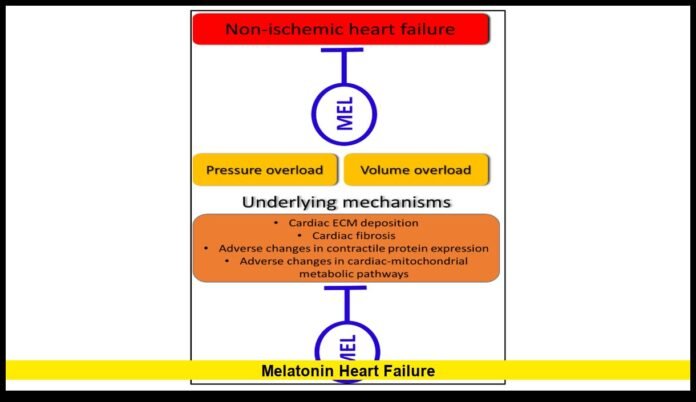
The recent concerns appear surprising because earlier research suggested melatonin might have protective effects on the heart.
Scientific studies have shown that melatonin may:
- Act as a powerful antioxidant
- Reduce inflammation in tissues
- Help regulate blood pressure
- Support normal circadian rhythms that influence cardiovascular function
Some experimental studies even suggested melatonin could help protect heart tissue under certain conditions.
These mixed findings show that scientists still need more evidence to understand the full relationship between melatonin and cardiovascular health.
Limitations of Current Research
Experts caution that the latest melatonin heart failure findings have several limitations.
Important limitations include:
- The research relied on medical record analysis rather than controlled clinical trials.
- Many participants already had insomnia, which can independently increase heart disease risk.
- Supplement usage data may not capture every over-the-counter product taken by patients.
- Lifestyle factors such as diet, exercise, and stress levels may influence results.
Because of these limitations, the research should be interpreted carefully until more detailed studies are completed.
Current Advice From Medical Experts
Doctors are not recommending that people stop using melatonin completely. Instead, experts advise responsible use and medical guidance when necessary.
General guidance includes:
- Use the lowest effective dose of melatonin.
- Avoid using it nightly for long periods without consulting a healthcare provider.
- Discuss supplement use if you have existing heart disease.
- Focus on improving sleep habits first.
Healthy sleep routines can often reduce the need for supplements.
Examples of effective sleep habits include:
- Keeping a consistent bedtime schedule
- Limiting screen exposure before bed
- Avoiding caffeine late in the day
- Maintaining a dark and quiet sleeping environment
Improving sleep hygiene remains one of the most effective strategies for long-term sleep health.
Why This Research Matters
Heart failure affects more than six million Americans and remains a major cause of hospitalization in older adults.
At the same time, melatonin has become one of the most commonly used sleep supplements in the United States. Because millions of people rely on it, researchers are working to better understand its long-term effects.
The growing attention around melatonin heart failure highlights the need for stronger research on widely used supplements.
Understanding how these products interact with long-term health will help patients and doctors make more informed decisions.
What Future Studies Will Explore
Researchers are continuing to investigate the possible relationship between melatonin use and cardiovascular health.
Future studies are expected to examine:
- Whether certain melatonin doses increase risk
- How melatonin affects people with existing heart conditions
- Differences between short-term and long-term supplement use
- Whether untreated insomnia explains the increased risk
Large clinical trials will help clarify whether melatonin directly influences heart failure risk or whether other factors are responsible.
Until clearer answers emerge, experts recommend using sleep supplements carefully while prioritizing healthy sleep habits.
What do you think about the latest research on melatonin and heart health? Share your thoughts in the comments and keep checking back for new updates.