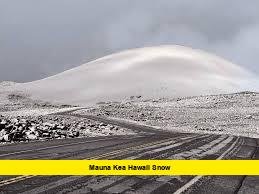

Mauna Kea Hawaii snow delivered a striking reminder that even the most tropical landscapes in the United States can experience genuine winter weather. A powerful seasonal storm system pushed cold air and deep moisture across the Big Island, allowing snow to accumulate at the highest elevations and transforming the summit of Mauna Kea into a dramatic winter scene. The event drew attention not only for its visual impact but also for how it affected travel, science operations, and daily life tied to Hawaii’s tallest peak.
Snowfall at this elevation is rare enough to feel extraordinary, yet familiar enough to remind long-time residents that Mauna Kea exists in a climate world entirely separate from the beaches below.
A Winter Scene Above the Tropics
At more than 13,800 feet above sea level, Mauna Kea rises into an environment that bears little resemblance to the warm coastline surrounding it. As the storm intensified, temperatures at the summit dropped below freezing, creating the precise conditions needed for snow to form and persist.
Snow spread across lava fields, summit roads, and observatory grounds, creating a high-contrast landscape of white snow against dark volcanic rock. Winds pushed drifting snow across exposed ridges, while clouds wrapped tightly around the peak, reducing visibility and reinforcing the mountain’s reputation as one of the most extreme environments in Hawaii.
How the Storm Developed
The snow event was tied to a winter weather pattern that disrupted the usual trade winds. Instead of steady easterly flow, moisture arrived from the south and southwest, bringing heavier precipitation and colder air aloft. While coastal areas experienced rain and gusty winds, elevations above 11,000 feet transitioned into freezing conditions.
This vertical divide is one of the Big Island’s defining features. In a matter of hours, the summit shifted from dry and clear to snow-covered and icy, illustrating how quickly conditions can change on Hawaii’s tallest mountains.
Snow Accumulation at the Summit
Several inches of snow accumulated across Mauna Kea’s summit zone during the storm. The snow was deep enough to coat roads and structures and to create hazardous driving conditions. In some areas, compacted snow and ice formed as temperatures remained low even after precipitation slowed.
Ice buildup added another layer of risk, clinging to railings, equipment, and exposed surfaces. The combination of snow, ice, and wind made the summit environment particularly challenging for anyone attempting to travel or work at elevation.
Road Closures and Travel Restrictions
As conditions deteriorated, access to the summit was restricted for safety reasons. Snow-covered roads, limited visibility, and strong winds created a high-risk situation for drivers. Officials emphasized that vehicles without proper preparation could easily lose traction on steep grades.
These closures are common during snow events on Mauna Kea and are designed to prevent accidents and emergency rescues in an area where response times can be long and conditions unpredictable. Travel advisories urged people to remain at lower elevations until the mountain stabilized.
The Science Impact of Snowfall
Mauna Kea is internationally known for its astronomical observatories, which benefit from the mountain’s altitude, dry air, and clear skies. Snowfall temporarily disrupts operations, limiting access to facilities and delaying scheduled research.
While snow itself does not damage observatories, ice and wind can interfere with sensitive equipment. Crews must wait for safe conditions before resuming normal operations, making winter storms a logistical challenge despite their relative rarity.
Cultural Importance of Snow on Mauna Kea
Beyond science and weather, Mauna Kea holds deep cultural meaning. The mountain’s name, often translated as “White Mountain,” reflects the historical presence of snow at its summit. In traditional Hawaiian knowledge, snow is not viewed as an anomaly but as part of the mountain’s natural identity.
The appearance of snow reinforces the idea of Mauna Kea as a place where earth and sky meet, a sacred space shaped by extremes. For many, the snow serves as a powerful symbol rather than a surprise.
Why Snow Happens in Hawaii
Hawaii’s latitude suggests endless warmth, but elevation tells a different story. Temperature decreases significantly with altitude, and Mauna Kea rises high enough to enter an alpine climate zone. During winter, cold air aloft can combine with moisture to produce snow, sleet, or freezing rain.
These events usually occur between late fall and early spring, though the exact timing varies each year. Some winters see multiple snowfalls, while others pass with little accumulation. What remains consistent is the sharp divide between summit winter and coastal warmth.
A Stark Contrast Across the Island
One of the most remarkable aspects of Mauna Kea snow is how localized it is. While snow blankets the summit, communities just miles away may experience mild rain or even sunshine. Beachgoers can enjoy comfortable temperatures while snow lingers far above them.
This contrast highlights the Big Island’s extraordinary range of climates. In a single day, it is possible to experience tropical rain, dry lava plains, cool uplands, and snow-covered peaks without leaving the island.
Environmental Effects at High Elevation
Snowfall contributes modestly to the summit’s water cycle. As snow melts, some moisture seeps into the ground or evaporates before reaching lower elevations. While it does not significantly affect water supply, it plays a role in shaping the summit environment.
Freeze-and-thaw cycles influence soil conditions and impact how infrastructure is maintained. Over time, these winter processes help define the unique alpine desert found at the highest elevations in Hawaii.
Recovery After the Storm
Once storms pass, crews assess conditions before reopening roads and facilities. Snow removal at high elevation is slow and cautious, especially when ice remains in shaded areas. Reopening is based on safety rather than speed, ensuring that conditions are stable for travel.
Even after access resumes, visitors are reminded that summit conditions can change rapidly. Cold temperatures, thin air, and strong winds remain a reality long after the snow stops falling.
Public Fascination With Snow in Hawaii
Images of snow-covered Mauna Kea often circulate widely, capturing attention far beyond the islands. For many, it challenges assumptions about Hawaii’s climate and geography. For residents, it is a reminder of the island’s complexity and natural power.
The sight of snow on a volcanic summit stands as one of Hawaii’s most compelling natural contrasts, blending fire and ice in a way few places on Earth can match.
A Lasting Reminder of Nature’s Range
The recent snowfall reaffirmed Mauna Kea’s status as one of the most dynamic landscapes in the United States. It showcased how weather, elevation, and geography intersect to produce conditions that feel worlds apart within the same island.
As winter continues, the summit remains a place where snow is always possible, even as warm ocean breezes move across the beaches below.
What are your thoughts on seeing snow in Hawaii’s highest mountains? Join the conversation and keep checking back for more weather updates.