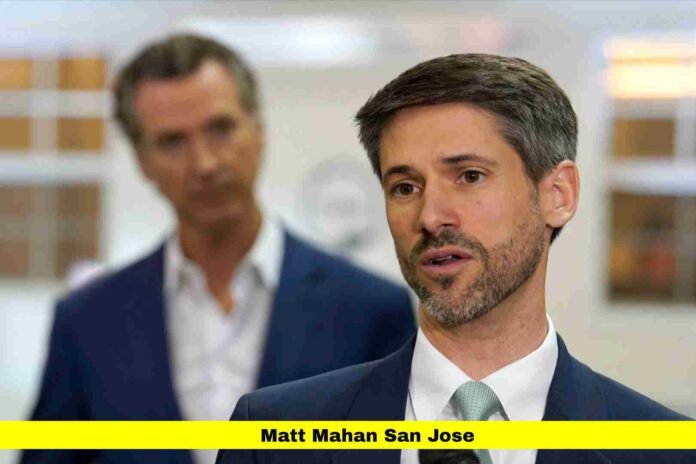

San Jose has entered a transformative period under the leadership of its mayor, who has emerged as a prominent voice in California politics. From implementing innovative solutions for public safety and housing to expanding technology education and workforce development programs, the city is experiencing rapid change. At the same time, the mayor is taking steps to elevate his influence at the state level, signaling an ambitious vision that extends beyond local governance. The combination of actionable policies and strategic leadership has positioned the city as a model for modern urban management while drawing national attention to the administration’s approach.
Transformative Leadership and Vision for the City
The mayor’s tenure has been defined by a hands-on approach to complex urban challenges. His leadership style emphasizes accountability, measurable outcomes, and direct engagement with residents. Unlike conventional city management, he has combined innovative policy ideas with community input to address pressing issues such as homelessness, crime, and economic inequality. Under his direction, city departments have been restructured to streamline operations, improve transparency, and ensure that public funds are allocated to programs with visible impact. Residents have witnessed a city government that is both proactive and responsive, reflecting a modern vision for local leadership that prioritizes results over bureaucracy.
Strategic Campaign Moves and Statewide Ambitions
In addition to his responsibilities as mayor, the political trajectory of the administration has increasingly attracted attention at the state level. While local policies remain a priority, the leadership team has been exploring initiatives that could inform broader governance strategies. The mayor’s communication emphasizes practical problem-solving, fiscal responsibility, and innovative solutions to California’s systemic challenges. By highlighting local successes in housing, public safety, and technology, the city presents itself as a blueprint for potential statewide policies, bridging the gap between municipal action and larger political aspirations.
Homelessness Solutions and Shelter Programs
One of the most ambitious aspects of the administration’s agenda has been addressing homelessness in a city that has faced significant challenges over the years. The city has implemented a comprehensive strategy aimed at reducing unsanctioned encampments while simultaneously expanding access to temporary and permanent shelter options. This approach combines enforcement measures with supportive services, offering pathways for residents experiencing homelessness to receive medical, psychological, and vocational assistance. Pilot programs have facilitated relocation options for individuals to reconnect with family or community support networks, ensuring that the solutions are both humane and effective. These efforts represent a shift toward a more structured, results-oriented approach to a long-standing urban issue.
Public Safety Innovations and Community Engagement
Safety and security have been central priorities of the administration, with initiatives focused on crime reduction, emergency preparedness, and community collaboration. Investments in modern technology, such as real-time surveillance systems and predictive analytics, have enhanced law enforcement efficiency and response times. Recruitment efforts have also been prioritized, ensuring that the city’s police force remains well-staffed and equipped to meet contemporary challenges. Community outreach programs have encouraged residents to participate in neighborhood watch programs and civic engagement forums, reinforcing a culture of collective responsibility. By combining advanced technology with grassroots involvement, the city has fostered a more resilient and secure environment for its residents.
Technology-Driven Workforce Development
As Silicon Valley continues to shape global innovation, the city has leveraged its position to expand educational and workforce programs in emerging technology fields. Initiatives focus on artificial intelligence, coding, and digital literacy, providing residents of all ages with the skills needed for a technology-driven economy. Public-private partnerships have enabled the creation of accessible training programs and certification opportunities, helping bridge gaps between education, industry, and employment. These programs have empowered residents to pursue careers in technology, increased economic mobility, and strengthened the city’s role as a hub of innovation. By fostering talent locally, the administration ensures that the city remains competitive while promoting inclusive growth.
Housing Development and Streamlined Permitting
Housing affordability remains a critical concern, and city leadership has implemented reforms to accelerate construction and expand housing availability. Streamlined permitting processes reduce bureaucratic delays, allowing developers to deliver projects more quickly and efficiently. The administration has also prioritized mixed-use developments and the inclusion of affordable units in new housing projects. By reducing administrative hurdles and incentivizing creative urban development, the city aims to meet growing demand while maintaining neighborhood character and sustainability standards. These measures demonstrate a proactive approach to addressing one of the most pressing challenges facing urban centers today.
Fiscal Responsibility and City Budget Management
Financial stewardship has been a consistent focus of city leadership, emphasizing efficiency, accountability, and transparency. The administration has implemented budgeting practices that tie expenditures to measurable outcomes, ensuring that public funds generate tangible benefits for residents. Strategic reallocations have supported priority areas such as homelessness, public safety, and workforce training, while maintaining fiscal balance. Additionally, performance-based approaches have been introduced in municipal departments to encourage innovation, accountability, and service quality. These initiatives reinforce public trust in governance and ensure that city resources are deployed effectively.
Community Partnerships and Regional Collaboration
The administration has actively sought partnerships with local businesses, educational institutions, and regional organizations to strengthen the impact of city programs. Collaborative efforts have been instrumental in workforce training, economic development, and social support initiatives. By creating coalitions that leverage private-sector expertise and community resources, the city has enhanced its ability to deliver impactful programs at scale. These partnerships also encourage civic engagement, allowing residents to play a meaningful role in shaping the future of their neighborhoods while benefiting from expanded opportunities in employment, education, and social services.
Public Response and Civic Engagement
Residents have responded to the administration’s initiatives with a mix of enthusiasm and scrutiny. Many appreciate the proactive measures addressing homelessness, safety, and economic development, citing visible improvements in neighborhoods and services. Others continue to monitor outcomes, particularly around enforcement strategies and housing affordability. Civic forums, town halls, and community feedback channels have become central components of the city’s governance, ensuring that residents’ voices inform policy decisions. This culture of engagement has strengthened the connection between local government and the community, creating an environment where solutions are collaboratively developed and continuously refined.
Balancing Local and Broader Responsibilities
City leadership has navigated the challenge of advancing ambitious local programs while engaging with state-level policy conversations. Maintaining focus on municipal priorities while articulating a vision for broader governance demonstrates a strategic balance that informs both local and statewide discourse. By highlighting the results achieved within the city, the administration has positioned itself as a model of effective governance, providing insights that could shape policy discussions across California.
Neighborhood-Level Impacts and Case Studies
Individual neighborhoods have experienced tangible benefits from recent programs. Investments in housing, public safety, and technology training have improved living conditions, increased employment opportunities, and fostered stronger community cohesion. Localized initiatives, such as targeted outreach for homelessness support and technology education in underserved areas, have reinforced equitable access to city resources. By monitoring and evaluating neighborhood outcomes, the administration has been able to refine strategies and implement evidence-based approaches to complex challenges.
Future Outlook and Urban Planning
Looking ahead, city leadership remains committed to sustaining momentum in key areas. Plans include expanding affordable housing, scaling workforce development programs, enhancing public safety infrastructure, and fostering innovation in municipal services. The administration’s approach emphasizes strategic urban planning, community involvement, and data-driven decision-making. By prioritizing long-term impact alongside immediate results, the city aims to serve as a model for forward-thinking urban governance while preparing for emerging challenges in population growth, economic shifts, and technological change.
Cultural and Economic Development Initiatives
Cultural programs, public art installations, and small business support have been integrated into broader economic development strategies. Initiatives aim to revitalize neighborhoods, create vibrant community spaces, and strengthen local businesses. By aligning cultural initiatives with economic policies, the administration has promoted an inclusive growth model that enhances quality of life, encourages tourism, and supports creative industries. These efforts contribute to a holistic approach to urban development that balances economic vitality with cultural enrichment.
Sustainability and Environmental Policies
Environmental sustainability has been a core consideration in city planning, with policies targeting energy efficiency, waste reduction, and sustainable transportation. Green building incentives, expanded public transit options, and urban green spaces are part of a broader commitment to environmental stewardship. These measures not only enhance quality of life but also position the city as a leader in sustainable urban management. By integrating environmental policies with social and economic initiatives, the administration has created a comprehensive framework for resilient city development.
Education and Youth Engagement
Educational initiatives and youth programs have been expanded under city leadership to prepare the next generation for success. Partnerships with schools, mentorship programs, and after-school activities provide students with opportunities in technology, arts, and leadership development. Youth engagement is emphasized as a critical component of long-term community strength, ensuring that young residents are equipped with the skills, confidence, and resources to thrive in a rapidly changing world. By investing in education, the administration fosters equitable opportunities and strengthens social cohesion.
Healthcare Access and Social Services
The city has also prioritized improving access to healthcare and social services, focusing on preventive care, mental health resources, and support for vulnerable populations. Community health programs, mobile clinics, and partnerships with local organizations have expanded services and increased outreach. These initiatives are designed to reduce barriers, promote wellness, and ensure that residents have access to essential resources that improve overall quality of life.
Innovation in Governance and Technology
Modern governance strategies under the mayor’s administration emphasize the use of technology to enhance public service delivery. Digital platforms for city services, data-driven decision-making, and innovative program monitoring have improved efficiency and accountability. By leveraging technology, the city ensures transparency, streamlines citizen engagement, and optimizes resource allocation, creating a more responsive and adaptable governance model.
Conclusion: A City in Motion
San Jose stands at the intersection of innovation, community engagement, and forward-thinking governance. The city’s programs in public safety, housing, workforce development, education, and environmental sustainability demonstrate a commitment to holistic urban development. Leadership decisions continue to reflect a balance between immediate solutions and long-term planning, positioning the city as a model for modern municipal administration. Residents, businesses, and community leaders are actively shaping a dynamic urban environment that responds to contemporary challenges while laying the foundation for future growth.
Share your thoughts on the city’s programs, policies, and leadership. Let us know what you think about the initiatives and how they are shaping San Jose’s future.