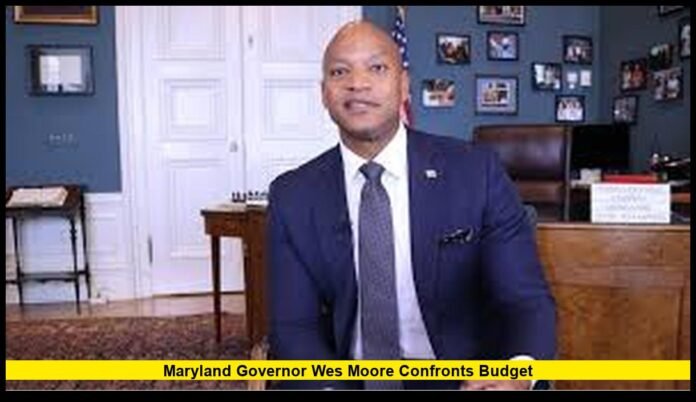

The political trajectory of maryland governor wes moore is entering a decisive phase in 2026, as the first-term Democrat faces mounting fiscal challenges, high-profile policy debates, and a competitive reelection cycle. His administration is balancing economic constraints with ambitious policy goals, all while operating under increasing national attention.
Maryland’s voters are watching closely as decisions made this year will shape not only the state’s financial outlook but also the broader political future of one of the country’s most closely followed governors.
A High-Stakes Year for Maryland’s Executive Leadership
Governor Wes Moore began the year with a focus on stability and growth, but the realities of governing have quickly intensified. With competing demands from lawmakers, economic uncertainty, and shifting political dynamics, his administration is navigating a complex environment.
Moore has positioned his leadership around economic fairness, long-term investment, and pragmatic governance. His policy direction reflects an effort to maintain essential services while preparing Maryland for future growth in key sectors like technology, clean energy, and infrastructure.
Stay with this coverage as we break down what these developments mean for your finances, your community, and Maryland’s future.
Budget Shortfall Forces Difficult Choices
One of the most urgent issues facing Maryland in 2026 is a significant budget gap estimated at roughly $1.4 billion. The shortfall has forced state leaders to evaluate spending priorities and identify ways to maintain fiscal stability without placing additional strain on residents.
Moore’s approach has emphasized a balanced strategy rather than sweeping tax increases. His administration has focused on:
- Strategic reductions in agency spending
- Reallocation of funds from specific accounts
- Careful use of reserve funds to cover immediate gaps
- Protection of funding for education, healthcare, and public safety
The governor has repeatedly stressed that middle- and working-class families should not bear the burden of the state’s financial adjustments. At the same time, some lawmakers have raised concerns about whether these measures go far enough to address long-term structural issues.
The ongoing budget discussions are shaping up to be one of the defining policy battles of Moore’s tenure.
Economic Priorities and Workforce Development
Despite fiscal pressures, the Moore administration continues to push forward with economic initiatives designed to strengthen Maryland’s workforce and attract business investment.
Key priorities include expanding job training programs, supporting small businesses, and encouraging innovation in industries such as biotechnology and cybersecurity. Maryland’s proximity to federal agencies and research institutions provides a strong foundation for growth in these sectors.
The governor has also emphasized workforce development as a central pillar of his economic strategy. Programs aimed at skills training and career pathways are intended to connect residents with high-demand jobs while addressing labor shortages.
These efforts reflect a broader goal of ensuring that economic growth benefits communities across the state, not just major urban centers.
Immigration Policy Sparks Statewide Debate
A major policy decision in 2026 has placed Maryland at the center of a national conversation on immigration enforcement. Governor Moore signed legislation limiting cooperation between local law enforcement and federal immigration authorities.
The policy includes provisions that:
- Prevent local agencies from entering new federal immigration enforcement agreements
- End participation in certain existing federal programs
- Maintain collaboration in cases involving serious criminal offenses
Supporters argue that the move builds trust between immigrant communities and local police, which can improve public safety outcomes. Critics contend that it restricts tools that law enforcement agencies may need to address broader concerns.
This decision highlights the ongoing tension between state autonomy and federal authority, a theme that continues to shape political discourse across the United States.
Environmental Challenges Put Infrastructure in Focus
Environmental concerns have also played a significant role in shaping Maryland’s policy agenda this year. A large-scale sewage spill affecting the Potomac River brought renewed attention to aging infrastructure and accountability.
The incident raised urgent questions about oversight, maintenance, and investment in critical systems. It also prompted discussions about how state and federal agencies coordinate responses to environmental emergencies.
Moore’s administration has emphasized the need for long-term infrastructure improvements, including investments in water systems, climate resilience, and environmental protection. These efforts are aligned with broader goals of sustainability and public health.
The event has also underscored the importance of proactive planning as climate-related risks continue to increase.
Public Safety and Emergency Preparedness Efforts
Public safety remains a core priority for the Moore administration. In early 2026, the governor issued an emergency preparedness order ahead of severe weather threats, activating coordination among state agencies.
This proactive approach reflects a broader strategy focused on readiness and rapid response. By strengthening emergency management systems, the administration aims to reduce risks and ensure that communities are better equipped to handle crises.
Maryland has also reported encouraging trends in certain safety metrics. A notable decline in traffic fatalities has been attributed to targeted initiatives, infrastructure upgrades, and public awareness campaigns.
These developments suggest that coordinated efforts can yield measurable improvements in safety outcomes.
Infrastructure Investment and Technological Expansion
The Moore administration continues to promote infrastructure development as a key driver of economic growth. Investments in transportation, broadband access, and clean energy are central to this strategy.
Expanding high-speed internet access has been a particular focus, especially in rural and underserved areas. Improved connectivity is expected to support education, business development, and access to essential services.
In addition, Maryland is advancing clean energy initiatives, including programs that support electric vehicles and renewable energy adoption. These efforts are designed to position the state as a leader in sustainability while creating new economic opportunities.
The combination of infrastructure investment and technological innovation reflects a forward-looking approach to governance.
Political Tensions and Redistricting Challenges
Political dynamics within Maryland have added another layer of complexity to Moore’s leadership. Efforts to redraw congressional district maps ahead of the 2026 elections have sparked debate among lawmakers.
While the governor supported changes aimed at strengthening representation, disagreements within the legislature ultimately stalled progress. The situation revealed divisions within the Democratic Party and highlighted the challenges of navigating politically sensitive issues.
Redistricting remains a critical topic as states across the country grapple with questions of fairness and representation.
The Road to the 2026 Election
As Maryland prepares for its next gubernatorial election, the stakes are high for Moore and his challengers. The primary election in June and the general election in November will determine whether he secures a second term.
Several factors are likely to influence the outcome:
- Voter perceptions of economic management
- Reactions to policy decisions, including immigration and spending
- The strength of opposition candidates
- Turnout among key voter groups
Moore enters the race with the advantages of incumbency, including name recognition and fundraising capacity. However, the challenges of governing during a complex period mean that the election is far from guaranteed.
The campaign is expected to intensify in the coming months, with debates over policy direction taking center stage.
National Attention and Growing Influence
Beyond Maryland, Governor Moore’s profile continues to rise on the national stage. His leadership style and policy positions have drawn attention from political observers and party leaders.
Serving in a prominent role within national governor organizations, Moore has engaged in discussions on federal-state relations, economic policy, and public safety. These interactions have expanded his influence and visibility.
While his primary focus remains on Maryland, his actions are increasingly viewed in the context of broader national trends.
Ongoing Challenges and Future Outlook
Looking ahead, the Moore administration faces a range of ongoing challenges that will require careful management:
- Ensuring long-term fiscal stability
- Addressing infrastructure needs and environmental risks
- Balancing policy priorities with economic realities
- Maintaining public trust and transparency
Each of these areas will play a critical role in shaping the administration’s legacy.
As the year progresses, new developments are likely to emerge, further testing the governor’s ability to navigate a rapidly changing landscape.
Impact on Maryland Residents
For residents across the state, the decisions made by state leadership will have tangible effects on daily life. Budget policies can influence taxes and public services, while infrastructure investments can affect transportation and connectivity.
Economic initiatives may create new job opportunities, while public safety measures can enhance community well-being. Understanding these impacts is essential for voters as they prepare to make decisions in the upcoming election.
The direction Maryland takes in 2026 will be shaped by both policy outcomes and public engagement.
Conclusion: A Critical Moment for State Leadership
The months ahead represent a defining period for maryland governor wes moore as he works to address immediate challenges while preparing for the future. His leadership during this time will influence not only Maryland’s trajectory but also his standing in the broader political landscape.
What are your thoughts on the decisions shaping Maryland right now? Join the conversation and check back for the latest developments.