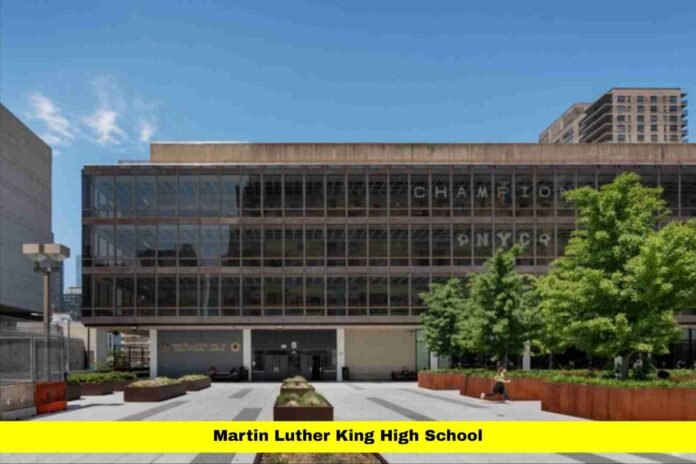

Martin Luther King High Schools across the U.S. provide rigorous academics, diverse extracurriculars, and career-readiness programs while fostering leadership and civic responsibility. Students benefit from supportive counseling, STEM and arts programs, and community partnerships that enhance learning and personal growth. These schools honor Dr. King’s legacy by promoting equity, service, and student empowerment for success beyond graduation.
Martin Luther King High School represents more than just an educational institution in the United States. Across multiple campuses nationwide, these schools serve diverse student populations while emphasizing academic excellence, leadership development, and civic engagement. As of 2026, these high schools have expanded their academic programs, enriched extracurricular offerings, and strengthened connections with families and the broader community. Each campus reflects the needs of its local environment while upholding the values of courage, equality, and perseverance associated with the legacy of Dr. Martin Luther King Jr.
This article provides a comprehensive exploration of the academic structure, student life, extracurricular programs, community involvement, and ongoing developments at Martin Luther King High Schools. It also examines challenges, innovations, and the ways these schools continue to shape the future of American education.
A Nationwide Presence
High schools carrying this name exist in cities such as Riverside, California; Philadelphia, Pennsylvania; Detroit, Michigan; and DeKalb County, Georgia, among others. While each school has unique programs and student demographics, they share common objectives that include academic rigor, student leadership, and active engagement with the community. These campuses typically serve students in grades nine through twelve and focus on balancing rigorous coursework with extracurricular activities and career-readiness programs. The name itself inspires both faculty and students to cultivate an environment that promotes respect, justice, and civic responsibility, while the cultural and historical significance of the name informs school identity and guides teaching practices and student programs.
Academic Excellence and Curriculum Innovation
Academic success is a cornerstone of Martin Luther King High Schools, with a curriculum designed to prepare students for post-secondary education, career readiness, and active civic participation. Students at all campuses follow a structured academic framework aligned with state graduation standards. In core subjects such as English and literature, students develop reading comprehension, writing proficiency, critical thinking skills, and the ability to analyze complex texts. Mathematics programs range from Algebra and Geometry to Calculus and Statistics, enabling students to strengthen their problem-solving abilities and quantitative reasoning. Science instruction covers biology, chemistry, physics, and environmental studies, fostering inquiry, experimentation, and a thorough understanding of scientific principles. Social studies programs, including U.S. history, world history, government, and economics, provide students with knowledge of civic responsibilities and global issues, while physical education and health classes encourage lifelong wellness and fitness. Electives allow students to explore diverse interests, including technology, arts, and foreign languages, providing opportunities for creative expression and skill development.
Advanced coursework, such as honors classes and Advanced Placement (AP) offerings, is widely available, allowing students to engage with challenging material and demonstrate readiness for higher education. Some schools offer International Baccalaureate programs that emphasize global awareness, interdisciplinary learning, and inquiry-based approaches. These advanced opportunities develop critical thinking, research capabilities, and time-management skills, ensuring students are prepared for rigorous college environments and competitive scholarship opportunities. Career and technical education programs complement traditional academic pathways by introducing students to practical skills in fields such as business, healthcare, engineering, information technology, and hospitality. These programs often include internships, certifications, and real-world projects, equipping students to enter the workforce directly or pursue further study with confidence.
Student Life Beyond the Classroom
Life outside the classroom at Martin Luther King High Schools is designed to enrich personal growth and social engagement. Students have access to a wide variety of clubs and organizations that reflect academic interests, hobbies, and social causes. Debate and speech teams cultivate reasoning, research, and public speaking skills, while STEM-focused clubs encourage innovation, coding skills, and hands-on problem-solving. Culture and identity organizations foster inclusivity and celebrate diversity, and environmental and social justice clubs promote awareness, activism, and community stewardship. These extracurricular activities help students build leadership abilities, connect with peers, and explore interests that may shape future academic or career paths.
Student government organizations allow learners to actively participate in school decision-making, plan events, and represent the student body’s concerns. Elected representatives gain experience in leadership, organization, communication, and negotiation, preparing them for future civic and professional responsibilities. Cultural and community events, such as talent shows, multicultural festivals, family engagement nights, and service projects, strengthen school identity while celebrating student achievements and bringing together students, staff, and families. These experiences cultivate a sense of pride and belonging, enriching the overall high school experience.
Read Also :- What Did Martin Luther King Do: A Deep Look at His Actions and Legacy
Athletics: Teamwork, Discipline, and School Pride
Athletic programs play a central role in fostering teamwork, discipline, and school spirit. Students participate in sports such as football, basketball, soccer, track and field, volleyball, wrestling, cheerleading, and dance, which enhance physical fitness, coordination, and competitive skills. Involvement in athletics teaches time management, resilience, and collaborative problem-solving while providing opportunities for mentorship from coaches. Coach-student relationships often extend beyond the field or court, offering guidance that benefits students academically, socially, and emotionally. Participation in sports fosters camaraderie, school pride, and lifelong lessons in leadership and perseverance.
Arts and Creative Expression
Creative programs at these high schools encourage students to explore various forms of artistic expression. Performing arts initiatives, including theater productions, musical ensembles, and dance groups, allow students to develop performance skills, teamwork, and confidence. Students gain valuable experience in discipline, rehearsal, and public presentation while showcasing their talents at school and community events. Visual arts programs offer instruction in mediums such as painting, drawing, photography, and digital media, allowing students to explore creativity, develop technical skills, and express personal perspectives. Art exhibitions, performances, and showcases provide opportunities for students to share their work with the community, highlighting the importance of arts in education and personal development.
Support Services for Students
High schools prioritize comprehensive support systems to ensure students succeed academically, socially, and emotionally. Counseling and advising services guide students in academic planning, college preparation, and career exploration while providing assistance for personal challenges. Mental health and wellness programs promote emotional resilience, stress management, and peer support, often supplemented by partnerships with local organizations to extend resources beyond the school. Tutoring centers, after-school academic support, and study groups provide additional assistance for students needing reinforcement in coursework, helping bridge gaps in learning and promoting equitable academic outcomes.
Technology and Digital Learning
Modern educational environments incorporate technology to enhance instruction and student engagement. Classrooms equipped with interactive displays, educational apps, and learning management systems allow teachers to deliver dynamic lessons and monitor progress while enabling students to collaborate, access resources, and engage with multimedia content. STEM innovation labs support hands-on learning in science, engineering, robotics, and computer science, encouraging experimentation, problem-solving, and innovation. Online learning platforms provide flexibility for students to complete assignments, access feedback, and participate in lessons remotely, supporting differentiated instruction and independent learning.
College and Career Readiness Programs
College and career readiness is a central focus of these high schools. College preparatory programs, including AP, honors, and IB courses, help students develop the skills necessary for higher education. Guidance counselors support students in navigating college applications, scholarships, financial aid, and essays, ensuring informed decisions about post-secondary education. Career pathways programs introduce students to workplace environments through internships, job shadowing, and apprenticeships, offering insight into professional expectations and industry practices. These programs prepare students to succeed in both college and career contexts by providing practical skills, professional exposure, and informed decision-making experiences.
Family and Community Engagement
Strong partnerships with families and local communities are key to student success. Parent-teacher organizations provide opportunities for family input, volunteer participation, and collaboration on school events and initiatives. Local businesses, nonprofits, universities, and civic organizations collaborate with schools to offer mentorship programs, internships, facility improvements, and enrichment opportunities. Community engagement strengthens connections between students, families, and local partners, creating supportive environments that promote both educational and social growth.
Recent Initiatives and Programs in 2026
In 2026, Martin Luther King High Schools have implemented initiatives to support evolving educational priorities. Academic support programs have expanded through tutoring, peer mentoring, and supplemental instruction. Mental health and wellness services have increased to address stress management and emotional resilience. Career readiness initiatives now include employer partnerships, internships, and career exploration events. Arts and cultural programs, including residencies, showcases, and partnerships, further enrich creative learning and cross-cultural understanding. Together, these programs provide a holistic approach that balances academics, personal growth, well-being, and preparation for life beyond high school.
Challenges and Areas for Growth
High schools face ongoing challenges that require thoughtful solutions. Ensuring equitable access to technology, advanced coursework, and enrichment opportunities remains a priority, while maintaining a safe and inclusive campus environment continues to be central to student success. Educators also work to reduce achievement gaps by implementing targeted academic support, early interventions, and data-driven instruction. Engaging students in meaningful, relevant learning experiences is an ongoing focus, with project-based learning, personalized instruction, and real-world applications used to motivate students and connect learning to their future goals. Addressing these challenges provides opportunities for innovation and improvement, ultimately strengthening school communities.
Legacy, Identity, and Cultural Significance
The name of these high schools carries profound cultural and historical significance. Students and staff are encouraged to embody values of fairness, civic responsibility, community service, and respect for diverse perspectives. Annual reflections, service initiatives, and leadership programs help connect students with the legacy of Dr. Martin Luther King Jr., fostering a sense of purpose and responsibility that extends beyond academics.
Student Perspectives and Experiences
Students frequently describe how participation in clubs, sports, arts programs, and leadership activities has shaped their personal growth and educational experience. Many highlight the positive influence of supportive teachers, mentorship programs, and community partnerships in developing confidence, skills, and aspirations. Alumni often maintain ties with their schools, serving as role models and mentors for current students, further strengthening community continuity and the shared educational mission.
Looking Ahead
As these high schools move into the future, priorities include expanding dual-credit and early college programs, strengthening student transition support, increasing access to internships and real-world learning experiences, deepening community and industry partnerships, and enhancing leadership development opportunities. These initiatives aim to prepare students for a rapidly changing world while maintaining the values that unite these campuses and define their identity.
How have schools named after this leader impacted your community or personal educational journey? Share your insights and stay connected to the ongoing influence of these campuses.