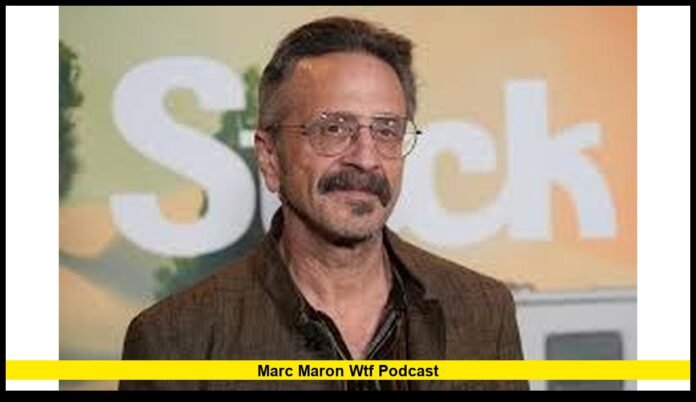

The Marc Maron WTF podcast has officially concluded, closing a significant chapter in the history of modern podcasting. On October 13, 2025, Marc Maron released the final episode of his groundbreaking show, marking the end of a 16-year run that shaped how audiences in the United States experience conversations, culture, and comedy.
In a full-circle moment, Maron sat down with former President Barack Obama for the finale — the same guest who helped propel the show into mainstream awareness a decade earlier. This emotional episode offered more than nostalgia; it served as a thoughtful reflection on the evolution of both the podcast and the broader media landscape it helped define.
A Powerful Ending to a Cultural Touchstone
The final episode, Episode 1686, aired from Washington, D.C., and felt both intimate and monumental. Maron’s interview with Obama wasn’t a political debate or a celebrity Q&A. Instead, it was two people talking candidly about legacy, growth, and closure.
Maron opened up about his decision to bring the show to a close, expressing a mix of gratitude and relief. Obama, who appeared on the podcast back in 2015 when it was recorded in Maron’s Los Angeles garage, acknowledged how much the show had grown and how it helped change how Americans consume media.
The episode blended humor, honesty, and reflection — a fitting finale for a podcast that built its reputation on exactly those elements. For many listeners, it felt like saying goodbye to a trusted voice that had accompanied them for years.
Why Marc Maron Ended the WTF Podcast
Marc Maron and his longtime producer Brendan McDonald had announced their decision months earlier, giving fans time to process the news. Unlike many shows that end abruptly, this decision was thoughtful and deliberate.
Maron explained several key reasons for ending the podcast:
- Creative Fulfillment: After more than 1,600 episodes, he felt the show had achieved what it set out to do. Continuing indefinitely didn’t feel authentic.
- Mental and Emotional Energy: The podcast’s deeply personal conversations required emotional investment week after week, which had become exhausting over time.
- Desire for New Challenges: Both Maron and McDonald expressed interest in pursuing new creative projects without the pressure of weekly production.
- Avoiding Diminishing Returns: Maron emphasized he didn’t want to see the show gradually lose its spark or become repetitive. Ending at the right time mattered.
His honesty about the reasons behind the decision resonated with listeners. Instead of framing it as a burnout story, Maron positioned it as a natural evolution — an ending made with intention.
The Origins of the Marc Maron WTF Podcast
When the WTF podcast launched in September 2009, few could have predicted the cultural force it would become. At the time, Maron was a veteran stand-up comedian who had gone through career ups and downs. Podcasting was still a niche medium, far from the mainstream platform it is today.
Maron set up microphones in his garage, nicknamed the “Cat Ranch,” and began recording conversations with fellow comedians, artists, and cultural figures. The show’s format was simple but radical: long, unfiltered conversations that allowed guests to be vulnerable and real.
This approach struck a chord. Early episodes featuring comedians like Robin Williams, Louis C.K., and Judd Apatow offered unprecedented access to the personal struggles and creative processes behind comedy. Listeners felt like they were eavesdropping on genuine exchanges rather than staged interviews.
Breakthrough Moments That Defined the Podcast
Over its 16-year run, the Marc Maron WTF podcast produced some of the most memorable interviews in the history of the medium.
1. Robin Williams (2010)
This conversation remains one of the most emotionally raw interviews ever released on a podcast. Williams opened up about depression, addiction, and creativity in ways that few public figures had done before. The episode gained renewed attention after Williams’ passing in 2014 and is often cited as a defining moment in podcasting history.
2. Louis C.K. (2010)
Maron’s two-part conversation with Louis C.K. wasn’t just an interview; it was a public reconciliation between two former friends. It offered listeners an honest, uncomfortable, and ultimately human moment rarely seen in media.
3. Todd Glass (2012)
Comedian Todd Glass came out as gay on WTF in a deeply personal and courageous conversation. The episode became a landmark in comedy and LGBTQ+ history, showcasing the power of podcasts to create safe spaces for vulnerability.
4. Barack Obama (2015)
Perhaps the most widely publicized episode, Obama’s visit to Maron’s garage was a watershed moment. It proved that podcasts had entered the national stage. The discussion was honest and thoughtful, with Obama famously using the “n-word” in the context of racism in America, sparking national conversations about race, language, and media.
5. Barack Obama (2025 Finale)
Obama’s return for the final episode bookended the entire series. It was less about policy and more about reflection — two individuals discussing how the world, and media, had changed in 16 years.
Cultural Impact of the WTF Podcast
The Marc Maron WTF podcast did more than entertain. It fundamentally changed how interviews are conducted and how audiences relate to public figures.
Revolutionizing the Interview Format
Before WTF, celebrity interviews were typically short, rehearsed, and promotional. Maron broke that mold with hour-long conversations that often went into uncomfortable or unexpected territory. Guests cried, confessed, and reflected in ways mainstream talk shows rarely allowed.
Mainstreaming Podcasts
When Obama appeared on the show in 2015, podcasting was thrust into the national spotlight. Millions tuned in for the first time, and WTF became a household name. That episode alone brought an estimated 900,000 new listeners to the medium in a single week.
Creating a Blueprint for Authenticity
Maron’s vulnerable style — often discussing his own insecurities, past mistakes, and struggles — created a sense of intimacy. This authenticity became a model for many successful podcasts that followed.
Listener Reactions and the End of an Era
As news of the show’s ending spread, reactions poured in from fans, comedians, actors, and fellow podcasters. Social media was filled with tributes to the show’s influence. Many listeners described how the podcast had been a constant companion through personal challenges, road trips, workdays, and quiet moments.
Some recurring themes from listener reactions included:
- Gratitude for Honest Conversations
Listeners praised Maron’s ability to have difficult discussions without sensationalism. - Nostalgia for a Bygone Podcasting Era
Early fans reflected on the unique atmosphere of the garage recordings, which felt personal and unpolished. - Respect for Ending on a High Note
Many admired Maron for choosing to end the show intentionally rather than fading out slowly.
For those who followed the podcast from its early days, the finale felt like the end of a cultural era — not just for Maron, but for podcasting as a whole.
Marc Maron’s Next Chapter
Although the podcast has ended, Marc Maron isn’t stepping away from the public eye. He remains active in stand-up comedy, continues to work in television and film, and has hinted at future creative projects. However, he’s made it clear that he’s taking time to reflect before jumping into anything new.
Maron stated that this is not a retirement but a pause. After 16 years of constant weekly production, he’s giving himself permission to explore new possibilities without the weight of maintaining one of the most iconic podcasts in the world.
The Legacy Lives On
Even though the WTF podcast has concluded, its impact is lasting. Future podcasters will continue to study Maron’s interviewing techniques. Cultural historians will look back on the series as a document of early 21st-century American culture.
The show bridged the gap between comedy and serious journalism, between celebrities and ordinary people, and between media formats old and new. Its ending marks not just the conclusion of a podcast, but the closing of a defining chapter in how stories are told in the digital age.
Marc Maron WTF podcast may be over, but its influence will resonate for decades. Whether you were a listener from the beginning or discovered it along the way, its legacy belongs to everyone who found a piece of themselves in its conversations.
What are your favorite WTF podcast moments? Share your thoughts below and join the conversation.