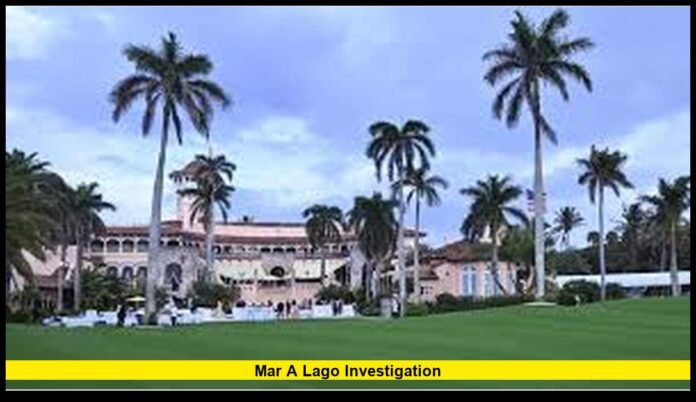

Mar-a-Lago investigation updates continue to shape major legal headlines in the United States as federal court proceedings, appeals, and procedural rulings define the case’s current status in February 2026.
The investigation focuses on classified documents taken to former President Donald Trump’s Florida property after his presidency ended in 2021. Federal authorities examined whether records were improperly retained and whether efforts were made to prevent their return.
Overview of the Mar-a-Lago Investigation
The Mar-a-Lago investigation began after the National Archives identified missing presidential records. Officials spent months requesting their return.
In January 2022, several boxes were provided. Review of those materials revealed documents marked classified. That discovery led to a criminal investigation by federal prosecutors.
In August 2022, federal agents executed a court-approved search warrant at the property. Investigators recovered additional materials labeled classified, including highly sensitive records.
Authorities then analyzed storage conditions, access to the documents, and communications related to their retention.
Charges Connected to the Case
Federal prosecutors filed criminal charges in 2023 tied to the handling of national defense information and alleged obstruction.
The indictment includes counts involving:
- Retention of national defense information
- Obstruction-related allegations
- Withholding documents from investigators
- False statement allegations
Trump denied wrongdoing and entered not-guilty pleas. His legal team continues to contest the charges in court.
Major Court Activity Since Charges Were Filed
Court proceedings have largely centered on pre-trial disputes rather than trial testimony.
Legal arguments have focused on evidence rules, constitutional questions, and procedural challenges. Motions from both sides have shaped the pace of the case.
Important developments across 2024 and 2025 include:
- Disputes over classified evidence procedures
- Challenges involving prosecutorial authority
- Motions seeking dismissal of certain counts
- Scheduling disagreements affecting trial timing
These issues have contributed to delays and uncertainty around when a trial could begin.
Where the Case Stands in 2026
As of February 22, 2026, the Mar-a-Lago investigation remains active with no trial verdict and no confirmed trial start date.
Courts continue addressing appeals and procedural rulings that must be resolved before trial proceedings move forward.
The current phase centers on:
- Ongoing appeals connected to earlier rulings
- Legal debates over classified material handling
- Review of the scope of specific charges
- Trial scheduling decisions
Procedural litigation remains the key factor influencing timelines.
Why the Investigation Is Significant
The case carries major legal implications beyond a single prosecution.
It highlights questions about:
- Responsibilities for preserving presidential records
- Enforcement of federal records laws
- National security safeguards for classified material
- Legal boundaries for former presidents
Because the case involves sensitive information, courts apply strict rules that limit public disclosure. That framework often slows progress.
Political and Public Impact
The Mar-a-Lago investigation has become a defining legal issue in U.S. political discourse. It shapes campaign messaging, public debate, and congressional discussions.
Supporters of Trump argue the prosecution is politically motivated. Critics view the case as a test of legal accountability.
The investigation influences:
- Election-year narratives
- Congressional oversight conversations
- Public opinion polling
- Debate about federal investigative authority
Despite political attention, the case’s outcome depends on judicial decisions.
Timeline of Key Events
2021
Government agencies requested the return of presidential records.
January 2022
Boxes were returned and classified material was identified.
August 2022
Federal search recovered additional classified documents.
2023
Criminal charges were filed.
2024–2025
Pre-trial litigation and appeals slowed progress.
2026
Case remains unresolved with ongoing court rulings.
Unresolved Legal Issues
Several core legal questions remain under review.
Use of classified evidence
Courts must determine how sensitive information can be presented in a public trial.
Authority disputes
Defense challenges target aspects of prosecutorial structure and procedure.
Trial timeline
Scheduling depends on rulings that are still pending.
Charge scope
Judges continue evaluating whether all counts should proceed.
These unresolved issues are typical in national security-related cases.
Transparency and Access to Information
Public access to case details remains limited. Many filings contain redactions due to classification rules.
Some hearings occur in closed sessions when sensitive material is discussed. This restricts the amount of information released in real time.
Debate continues over how to balance transparency with national security protections.
What Comes Next
Next steps depend on court rulings expected in ongoing motions and appeals.
Possible developments include:
- A confirmed trial schedule
- Additional evidence-related rulings
- Decisions affecting specific charges
- Further appeals that may extend timelines
Legal observers expect continued procedural activity before any trial begins.
Long-Term Legal Importance
The Mar-a-Lago investigation could influence how future administrations handle presidential records after leaving office.
Potential long-term effects include:
- Stronger enforcement of records retention laws
- Legal precedent involving former presidents
- Changes to national security case procedures
- Future disputes over executive record ownership
Because of these implications, the case remains closely watched across legal and political circles.
What do you think about the latest developments in the Mar-a-Lago investigation? Join the conversation and stay updated as new rulings emerge.