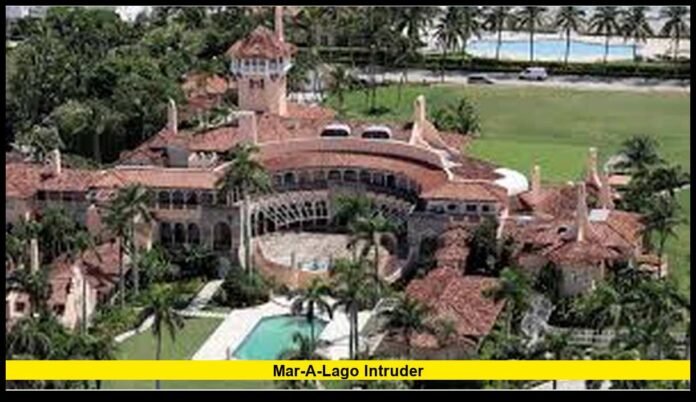

The Mar-a-Lago intruder story continues to draw national attention in 2026 as law enforcement confirms arrests, court proceedings, and ongoing security reviews at the Palm Beach property owned by former U.S. President Donald Trump.
Unauthorized entry attempts at Mar-a-Lago consistently trigger swift action from private security, local police, and federal agencies when necessary. Recent confirmed incidents again highlighted how sensitive locations respond to unexpected approaches and why authorities treat every breach attempt seriously.
This report explains what happened, how security responded, the legal process involved, and what the latest developments reveal about protection at one of the most high-profile private properties in the United States.
Latest Confirmed Mar-a-Lago Intruder Incident
Authorities recently detained an individual after security identified suspicious behavior near restricted areas of the property. Personnel stopped the person before any access to sensitive zones occurred.
Officers responded within minutes and placed the individual into custody. Officials confirmed the situation remained controlled throughout the response.
Key verified details include:
- Security flagged the individual during perimeter monitoring.
- The person was detained before entering restricted interior areas.
- Local law enforcement handled the arrest and booking process.
- Federal coordination occurred due to the site’s protective significance.
- No injuries or immediate threats were reported.
After the arrest, investigators began standard review procedures, including surveillance analysis and witness interviews.
Why Intrusion Attempts at Mar-a-Lago Matter
Mar-a-Lago operates as both a private club and a politically significant location. That dual role increases security complexity and national interest.
When protected individuals visit or stay at the property, additional federal protocols activate. Even when no protected person is present, law enforcement monitors activity closely.
Several factors explain the heightened attention:
- The property’s connection to a former president.
- Frequent political events and gatherings.
- High-profile visitors.
- Ongoing campaign activity tied to the location.
- Existing federal protective coordination.
Because of these factors, even minor incidents receive significant coverage.
Timeline of Mar-a-Lago Intruder Cases
Repeated incidents over recent years shaped current security procedures.
Confirmed timeline overview:
| Year | Incident | Outcome |
|---|---|---|
| 2019 | Individual entered property claiming intent to meet Trump | Arrest and federal charges |
| 2022 | Person approached perimeter without authorization | Detention and trespassing case |
| 2023 | Arrest near checkpoint after ignoring security instructions | Local charges filed |
| 2024 | Unauthorized approach stopped by security | Security review conducted |
| 2025–2026 | Additional intrusion attempts reported | Arrests and procedural adjustments |
Each incident contributed to adjustments in screening, surveillance, and coordination.
How Security Identifies an Intruder
Modern perimeter protection relies on layered detection rather than a single checkpoint.
Security teams monitor:
- Camera feeds across entry points.
- Behavior near gates and shoreline areas.
- Credential verification failures.
- Attempts to bypass staff instructions.
- Suspicious movement patterns.
When any concern appears, security alerts supervisors immediately. Officers then assess whether removal or detention is necessary.
Rapid detection remains the most effective way to prevent escalation.
Immediate Response Protocol
Once security identifies a potential intruder, a structured response begins.
Private personnel attempt verbal engagement first. If the individual refuses to comply, police receive an immediate call.
Standard response sequence:
- Approach and identification request.
- Removal from restricted space.
- Temporary detention if noncompliant.
- Arrival of local police.
- Formal arrest if warranted.
Federal agents may assist depending on circumstances.
This structured approach helps prevent confusion during high-visibility incidents.
Charges Filed in Mar-a-Lago Intruder Cases
Legal consequences depend on behavior and location of the attempt.
Common charges include:
- Trespassing.
- Failure to obey lawful orders.
- Entry into restricted grounds.
- False statements in certain situations.
- Federal violations if protective zones are involved.
Courts evaluate intent, prior history, and whether the person ignored warnings.
Recent cases show prosecutors treat repeated attempts more seriously.
Court Process After Arrest
After booking, cases move through the local court system. Initial hearings address charges, release conditions, and scheduling.
Possible outcomes:
- Release with conditions.
- Pretrial supervision.
- Mental health evaluation.
- Plea agreements.
- Trial if charges are contested.
Judges also consider security sensitivity when setting restrictions.
Cases connected to protected locations often include travel limits or no-contact orders.
Security Reviews Triggered by Intrusions
Every incident leads to a structured review.
Officials analyze how the individual approached the property and how quickly detection occurred.
Review areas include:
- Gate access procedures.
- Credential verification.
- Surveillance coverage.
- Communication timing between agencies.
- Physical barrier effectiveness.
Security teams focus on preventing repeat scenarios rather than reacting after the fact.
Role of Local Police
Palm Beach Police play a central role in these incidents. Officers respond first, handle arrests, and manage the initial investigation.
Their responsibilities include:
- Securing the scene.
- Interviewing witnesses.
- Collecting evidence.
- Filing charges.
- Coordinating with federal partners.
Local authorities maintain routine communication with federal protective teams due to the property’s status.
Secret Service Coordination
Federal involvement varies depending on who is present at the property.
When a protected individual is visiting or expected, Secret Service coordination increases. Agents assist with threat assessment and perimeter strategy.
Federal responsibilities may include:
- Risk evaluation.
- Protective planning.
- Intelligence review.
- Incident documentation.
- Guidance on security adjustments.
Even when arrests remain local, federal input often shapes follow-up actions.
Impact on Events and Visitor Access
Intrusion attempts sometimes lead to temporary changes in access rules.
Event organizers may implement:
- Expanded credential checks.
- Restricted arrival windows.
- Additional screening layers.
- Larger security staffing.
- Modified traffic control.
These measures aim to reduce disruption while maintaining safety.
High-profile gatherings often receive the most noticeable adjustments.
Community Perspective in Palm Beach
Residents frequently notice visible police activity after intrusion incidents. Traffic changes, increased patrols, and media presence can affect nearby neighborhoods.
Local messaging usually emphasizes rapid containment and minimal risk to the public.
Community concerns often focus on:
- Road closures.
- Event security visibility.
- Frequency of incidents.
- Long-term security changes.
Officials stress that most cases end quickly without broader safety issues.
How Mar-a-Lago Security Differs From Government Facilities
Unlike federal buildings, Mar-a-Lago combines hospitality operations with political activity.
Key differences include:
- Guest access varies daily.
- Events create fluctuating security needs.
- Public and private spaces coexist.
- Federal protection activates selectively.
- Visitor verification must adapt quickly.
This hybrid environment requires flexible planning.
What Investigators Examine After an Intrusion
Investigators focus on intent and method.
They review:
- Statements from the individual.
- Surveillance footage.
- Prior visits or attempts.
- Communication records if relevant.
- Any items carried during the incident.
The goal is determining whether the situation involved confusion, persistence, or risk.
Most incidents involve individuals attempting access without authorization rather than organized threats. Still, each case receives full review.
Media Attention and Public Interest
Incidents at Mar-a-Lago often generate immediate national coverage. High visibility ensures that even routine arrests receive attention across television and digital platforms.
Public interest remains strong because:
- The property plays a role in national politics.
- Security concerns connect to broader debates about protecting leaders.
- Legal proceedings provide ongoing updates.
- Visual footage spreads quickly online.
Coverage tends to intensify when court developments occur.
Patterns Seen Across Intruder Cases
Reviewing multiple incidents reveals consistent patterns.
Common characteristics:
- Individuals approaching gates directly.
- Attempts to speak with staff about entry.
- Ignoring instructions to leave.
- Repeated attempts by the same person in some cases.
- Rapid detection before sensitive access.
These patterns help security refine prevention strategies.
Security Technology Used at the Property
Modern protective measures extend beyond physical guards.
Technology plays a major role through:
- Advanced camera systems.
- Motion detection.
- Credential scanning.
- Real-time monitoring centers.
- Integrated alert systems.
Technology allows faster identification of unusual activity.
Security teams rely on both human observation and automated alerts.
Broader Context: Intrusions at High-Profile Locations
Intrusion attempts occur at political residences, campaign offices, and government buildings across the country.
What makes Mar-a-Lago distinct is its visibility and mixed-use nature.
Security experts note that:
- High visibility increases attempts.
- Public access areas create complexity.
- Political cycles influence activity levels.
- Media attention amplifies each incident.
These factors explain why incidents at the property remain national stories.
Current Status of the Latest Case (2026)
As of the most recent confirmed updates:
- Authorities arrested the individual involved.
- Officials reported no injuries.
- Security stopped the person before sensitive access.
- Investigators completed initial evidence review.
- The case continues through the court process.
- Security teams conducted internal assessments after the incident.
Officials have not announced a broader threat tied to the event.
What Future Security Changes Could Focus On
Repeated incidents often lead to gradual adjustments rather than dramatic changes.
Possible focus areas include:
- Enhanced perimeter monitoring.
- Visitor verification improvements.
- Faster alert escalation.
- Expanded coordination during major events.
- Continued technology upgrades.
Security planning at high-profile sites evolves continuously.
Why the Mar-a-Lago Intruder Story Continues to Matter
Each incident provides insight into how the United States protects politically significant locations outside traditional government facilities.
The story reflects broader themes:
- Balancing access and security.
- Coordination between private and federal teams.
- Legal consequences for unauthorized entry.
- Public expectations for protection.
- Ongoing adaptation to real-world events.
These factors ensure continued public attention.
Looking Ahead
Legal proceedings will determine final outcomes in the latest case. Additional court updates may clarify charges, conditions, or resolution.
Security teams will continue reviewing procedures after each incident. Adjustments often occur quietly through operational changes rather than public announcements.
Intrusion attempts remain rare compared with daily operations, yet every case influences future planning.
What do you think about the latest Mar-a-Lago intruder arrest and security response? Share your thoughts and check back for the next verified update.