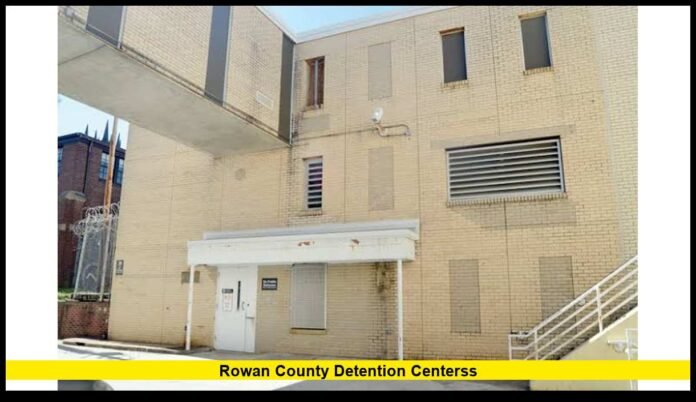

The madison county detention center in Richmond, Kentucky, remains an important part of the local criminal justice system, serving as a secure facility for people held in county custody as well as certain state and federal inmates. The facility operates around the clock and handles a wide range of responsibilities, from inmate supervision and security to visitation, medical services, transportation and rehabilitation programs.
For families, attorneys and members of the public looking for current information, understanding how the facility works can make it easier to find inmate records, arrange visits, contact the jail and understand recent developments.
Madison County Detention Center Overview
The detention facility is located in Richmond, the county seat of Madison County, Kentucky. It functions as a correctional facility for individuals who are awaiting court proceedings and people serving applicable sentences.
Unlike a temporary holding area used immediately after an arrest, a county detention facility may be responsible for inmates throughout several stages of the legal process. Some people may remain in custody while waiting for a bond decision or court appearance, while others may be serving sentences after conviction.
The facility also has responsibilities involving inmates who may be under state or federal custody through appropriate arrangements.
The detention center is staffed continuously because inmate supervision and security cannot be limited to normal government office hours.
Location and Contact Information
The facility is located at:
Madison County Detention Center
107 W. Irvine Street
Richmond, KY 40475
The listed main telephone number is 859-624-4710.
The facility operates 24 hours a day for detention-related functions, while administrative offices may follow separate business hours.
Anyone planning to visit the facility should verify current procedures before traveling. Correctional facilities can change visitation arrangements, identification requirements and other policies because of security considerations or administrative changes.
Who Can Be Held at the Facility?
The detention center can house people at different stages of the criminal justice process.
This can include individuals who have:
- Recently been arrested
- Been charged with an alleged offense
- Not yet appeared before a judge
- Been ordered to remain in custody
- Been unable to meet bond conditions
- Been sentenced to an applicable period of incarceration
- Been placed under custody arrangements involving another government agency
A person’s presence in a detention facility does not by itself establish guilt. People awaiting trial are generally presumed innocent unless and until they are convicted through the applicable legal process.
This distinction is especially important when reviewing online inmate information or discussing an individual’s arrest.
How to Search for an Inmate
Inmate searches are among the most frequently requested services connected with the facility.
Madison County provides online resources intended to help members of the public locate current inmate information. The county’s official systems are generally the best starting point because custody information can change rapidly.
When searching for an individual, users should enter the person’s name carefully. A spelling difference, middle name, nickname or other variation can sometimes affect search results.
Information available through an inmate database can include identifying information, booking details, charges, custody status and other information considered public.
However, online records should not automatically be interpreted as a complete history of a person’s case.
Why an Inmate May Not Appear in a Search
A person may not immediately appear in an online jail database after an arrest.
Several factors can affect what is displayed, including the timing of booking, database updates, transfers and release decisions.
Possible explanations include:
- The booking process is still underway.
- The database has not been updated.
- The individual was released.
- The individual was transferred to another facility.
- The person is being held by another agency.
- The search information does not exactly match the booking record.
For urgent questions, contacting the detention center directly can provide more useful information than relying on an older third-party website.
Visitation Information
Visitation allows eligible inmates to maintain contact with family members, friends and other approved visitors.
The rules governing visits can vary depending on the inmate’s classification, housing assignment and current facility procedures.
Visitors may need to provide government-issued identification and follow security procedures before entering the facility or participating in an approved visit.
Common requirements at correctional facilities can include restrictions involving:
- Identification
- Visitor approval
- Clothing
- Personal property
- Children
- Visitor behavior
- Security screening
- Visit scheduling
People should confirm the current requirements before making travel arrangements because visitation policies are subject to change.
Inmate Phone and Communication Services
Maintaining communication with people in custody can be important for families and legal representatives.
Correctional facilities generally use controlled communication systems to protect security while allowing approved contact.
Depending on the applicable service, inmates may have access to monitored telephone or other communication options.
Call availability can depend on factors such as housing assignment, disciplinary status, facility schedules and the communication provider.
Family members should use the current information supplied by the facility rather than relying on outdated instructions found elsewhere.
Commissary and Sending Money
Another important service for families is inmate commissary.
Commissary systems allow eligible inmates to purchase approved items using funds placed into their accounts. These can include personal care products, snacks and other permitted items.
Before depositing money, users should confirm the current provider and payment instructions.
People should also verify the inmate’s name and identifying information before completing a transaction.
Using an outdated payment service or entering incorrect information can result in delays or other problems.
Medical Care and Inmate Welfare
Medical care is another core responsibility of a detention facility.
People held in custody may require medical screening, routine treatment, medication management or emergency care. The specific services available inside the facility depend on medical staffing, contracts and individual circumstances.
Correctional personnel must also respond to emergencies and coordinate outside medical treatment when necessary.
The welfare of people in custody can involve several areas, including physical health, mental health services, medication, nutrition, sanitation and safe housing conditions.
Rehabilitation and Recovery Services
Modern detention facilities may provide more than security and confinement.
Madison County has identified rehabilitation and recovery programs as part of the services available to inmates. Community organizations and volunteers can also play a role in supporting people while they are incarcerated.
Recovery support is particularly relevant for inmates dealing with substance-use issues.
The county has identified Voices of Hope as a recovery partner and has reported the availability of a recovery coach at the jail.
Programs can change depending on funding, staffing, eligibility and partnerships, so inmates and families should verify which services are currently available.
Home Incarceration and Work Release
Not every person under correctional supervision necessarily remains inside the detention center for the entire period of custody.
Madison County provides alternatives such as home incarceration and work release for eligible individuals.
These programs can allow qualifying people to remain in the community under specific restrictions and supervision.
Eligibility depends on the person’s circumstances, legal status, court orders and applicable county policies.
Alternative custody programs are not automatically available to every inmate, and participation may involve strict conditions.
Leadership and Daily Operations
The detention center is managed as part of Madison County’s local government and correctional system.
Jailer Larry Brock is identified by Madison County as the jailer’s officeholder.
Running a detention facility requires coordination among administrators, detention officers, medical personnel, courts, law enforcement agencies and community service organizations.
Officers are responsible for maintaining order and security while also following established procedures governing inmate welfare, transportation, visitation and facility operations.
Important 2026 Developments
Several developments involving the facility received attention during 2026.
One involved an investigation by Kentucky State Police following an alleged altercation between a detention employee and an inmate. State police were contacted in March and began investigating the circumstances surrounding the reported incident.
Investigators indicated that the case would be presented to the appropriate prosecutorial office after the investigation was completed.
Another major event occurred in June, when an inmate escaped from the facility.
Kentucky State Police reported that Calain Myers escaped shortly before midnight on June 11. Authorities later located and arrested him in Somerset on June 15.
Following the arrest, Myers faced a second-degree escape charge and was lodged in the Pulaski County Detention Center.
The incident highlighted the importance of security procedures at correctional facilities and became one of the notable jail-related developments in Madison County during 2026.
New Detention Center Policy for 2026–2027
Madison County also adopted a new detention center policy and procedures manual for fiscal year 2026–2027.
A policy manual establishes administrative and operational guidance for employees working within the facility. Such documents can address areas including security, inmate supervision, staff responsibilities, emergency procedures, visitation and other correctional operations.
The adoption of a new annual policy manual is part of the county’s ongoing administrative process.
Specific policies can be revised over time, meaning inmates, visitors and employees should rely on the current rules rather than older versions.
Detention Center Employment
The facility also provides employment opportunities for people interested in correctional work.
County information identifies requirements for detention center applicants, including a high school diploma or equivalent, a valid driver’s license and a minimum age requirement.
Correctional officers may be expected to communicate effectively, follow detailed procedures, maintain professionalism and respond appropriately to difficult situations.
Working inside a detention facility also requires employees to understand security procedures and interact with inmates, supervisors, medical personnel and outside agencies.
What Families Should Do When Someone Is Arrested
When a family member is arrested, uncertainty can be stressful. The most useful approach is to confirm information directly from reliable sources.
First, determine whether the person has been booked into the county detention facility. If the individual is found, family members can then look into bond information, court proceedings, visitation and communication options.
If the individual cannot be found, the person may have been released, transferred or booked into another facility.
Families should avoid relying solely on social media posts or unofficial jail websites because such information may be outdated or incomplete.
Difference Between Jail and Prison
A county detention center and a state or federal prison are not necessarily the same thing.
County detention facilities commonly hold people awaiting trial, people awaiting sentencing and certain individuals serving shorter sentences or held under agreements with other agencies.
State and federal prisons generally house people convicted of crimes and sentenced to longer periods of incarceration.
Because a county facility can hold people for different agencies, custody arrangements can sometimes be more complicated than a simple county-versus-state distinction.
Why Official Information Matters
Information involving inmates can change quickly.
An individual may be booked, released on bond, transferred, sentenced or moved to another facility within a relatively short period.
The same is true of visitation and communication services. Providers, schedules and requirements can change as facility policies are updated.
For that reason, anyone searching for the madison county detention center should prioritize current county information when looking for an inmate, arranging a visit or attempting to send money.
Latest Status
The Madison County facility remains an active 24-hour correctional operation serving Richmond and the surrounding county.
Its responsibilities extend beyond incarceration and include inmate supervision, security, visitation, medical services, transportation, rehabilitation and alternative custody programs.
The facility also remains part of a broader criminal justice system involving local courts, law enforcement agencies and state authorities.
For families and members of the public, the most important consideration is obtaining current information because inmate status and facility procedures can change without much notice.
Final Thoughts
The Madison County detention system continues to serve a significant role in local law enforcement and court operations. For anyone trying to locate an inmate, arrange communication, understand visitation requirements or follow a recent facility development, current official information is essential.
The 2026 developments involving a state police investigation, an inmate escape and the adoption of a new fiscal-year policy manual demonstrate why detention center information can change over time. Checking the latest available records before taking action can help families, attorneys and members of the public avoid relying on outdated details.
Have you received a recent update about the facility? Share your experience in the comments and keep checking back for new developments.