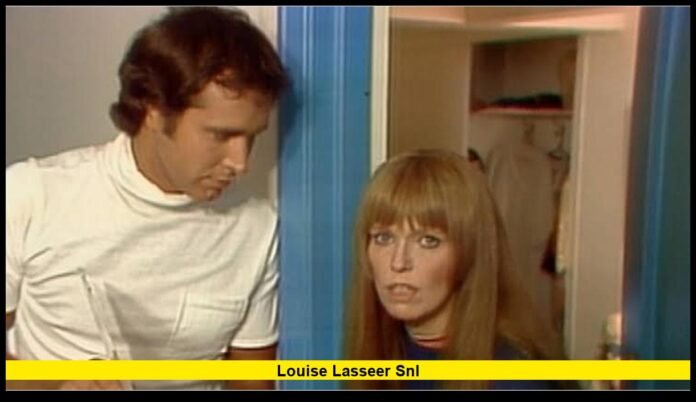

For nearly five decades, the louise lasser snl episode has remained one of the most intriguing chapters in the history of live television. While countless celebrities have hosted Saturday Night Live over the years, few appearances have generated as much discussion, speculation, and lasting curiosity as Louise Lasser’s 1976 debut. What seemed like an awkward, unpredictable night at the time has since become an important part of SNL lore, with television historians and comedy fans continuing to revisit the broadcast to understand what made it so unforgettable.
Although many myths have grown around the episode, its reputation continues to evolve as new generations discover the groundbreaking early seasons of Saturday Night Live. Looking back from 2026, Lasser’s appearance is viewed not simply as a controversial television event but as an example of how experimental and fearless live comedy could be during the show’s earliest years.
Who Is Louise Lasser?
Before her memorable appearance on Saturday Night Live, Louise Lasser had already established herself as one of the most recognizable actresses of the 1970s. Born on April 11, 1939, in New York City, she developed a passion for acting early in life and studied theater before launching a successful career on stage, television, and film.
Lasser initially gained attention through supporting roles in movies and collaborations with filmmaker Woody Allen. However, it was her starring role as Mary Hartman in the groundbreaking satirical soap opera Mary Hartman, Mary Hartman that transformed her into one of television’s biggest stars.
The series became a cultural phenomenon by blending soap opera conventions with social satire, introducing audiences to Lasser’s unique acting style. Her portrayal of the anxious, emotionally fragile Mary Hartman earned widespread praise and made her one of the most talked-about performers of the decade.
By the summer of 1976, she was an ideal choice to host one of television’s newest and most ambitious comedy shows.
Saturday Night Live Was Still Finding Its Identity
When Louise Lasser hosted Saturday Night Live on July 24, 1976, the program had not yet become the entertainment institution it is today.
The series was still in its inaugural season and continued experimenting with sketch formats, live performances, and unconventional comedy. Created by producer Lorne Michaels, the show quickly gained attention for breaking many television traditions.
Unlike most variety programs of the era, SNL encouraged improvisation, topical humor, political satire, and performances that often pushed creative boundaries. The cast itself was rapidly becoming famous, featuring performers who would later become comedy legends.
Among the original cast members appearing alongside Lasser were:
- Chevy Chase
- John Belushi
- Dan Aykroyd
- Gilda Radner
- Jane Curtin
- Garrett Morris
- Laraine Newman
Their chemistry helped define the show’s early success, but hosting responsibilities still depended heavily on the guest star’s willingness to embrace live comedy.
A Night Unlike Any Other
Almost immediately after the broadcast began, viewers sensed that something unusual was happening.
Instead of delivering a confident opening monologue, Lasser appeared hesitant and emotionally overwhelmed. She stumbled through her introduction before leaving the stage and retreating backstage.
Television cameras followed her into the dressing room while cast members attempted to convince her to return.
Because live television rarely blurred the line between scripted entertainment and apparent reality, audiences struggled to determine whether they were witnessing genuine events or an elaborate comedic performance.
That uncertainty became the defining characteristic of the episode.
Unlike many later SNL openings built around celebrity jokes or musical numbers, Lasser’s introduction relied on discomfort and ambiguity.
For some viewers, it was brilliantly unconventional.
For others, it simply appeared confusing.
The Performance That Sparked Decades of Debate
One reason the episode continues attracting attention is that audiences never completely agreed on what actually happened.
During the original broadcast, many believed Lasser had suffered stage fright or an emotional breakdown while hosting live television.
Rumors quickly spread that she had become overwhelmed by the pressure of performing before a national audience.
However, Lasser later explained in interviews that much of what viewers interpreted as genuine distress was intentionally performed.
She maintained that the opening sequence reflected the nervous personality audiences associated with her Mary Hartman character rather than her own emotional state.
Even after those explanations, debate continued.
Some viewers accepted her account, while others believed the performance reflected real tension that became incorporated into the broadcast.
Because no single explanation has completely settled the discussion, the mystery has become part of the episode’s enduring appeal.
Behind-the-Scenes Challenges
Like many live television productions, the broadcast reportedly experienced creative disagreements before airtime.
Several accounts published over the years suggest that Lasser was uncomfortable with portions of the material prepared for the show.
Some stories claim she preferred avoiding sketches containing explicit humor or certain comedic situations that conflicted with her personal preferences.
As a result, writers reportedly revised portions of the script during rehearsal week.
Although such last-minute adjustments are common in live television, they may have contributed to the unusual tone of the final broadcast.
Cast members also faced the challenge of adapting to changing circumstances while maintaining the fast pace expected from a live comedy program.
The ability of the original ensemble to adjust under pressure has since been praised by many television historians.
Separating Fact From Television Myth
Over the decades, the Louise Lasser episode has accumulated numerous stories that have become difficult to verify.
Among the most persistent claims is that she became the first celebrity permanently banned from hosting Saturday Night Live.
Despite how frequently this rumor appears in discussions of SNL history, there has never been an official confirmation that a formal lifetime ban was imposed.
Lasser herself has repeatedly dismissed the idea.
She has explained that many stories surrounding the broadcast became exaggerated as they were repeated over the years.
Without definitive confirmation from the show’s producers, the alleged ban remains part of television folklore rather than an established historical fact.
This uncertainty only adds to the fascination surrounding the episode.
Critical Reception in 1976
Reviews following the broadcast reflected the divided reaction among audiences.
Some critics admired the willingness to experiment with unconventional comedy, arguing that the show demonstrated remarkable creative ambition.
Others felt the episode lacked the rhythm and energy expected from a live sketch program.
Several reviewers praised the supporting cast for keeping the show moving despite its unusual structure.
John Belushi, Dan Aykroyd, Gilda Radner, and the rest of the original ensemble were frequently recognized for maintaining professionalism throughout an unpredictable evening.
Although the episode was not universally celebrated at the time, its historical importance has grown considerably over the decades.
A Cult Classic Among SNL Fans
Today, many longtime viewers consider the broadcast essential viewing for anyone interested in the history of Saturday Night Live.
Unlike later controversial episodes driven by political satire or celebrity scandals, this one fascinates audiences because of its psychological ambiguity.
Every viewing encourages the same question:
Was the awkwardness carefully planned, partially improvised, or entirely authentic?
Because the answer remains open to interpretation, discussions continue across television forums, documentaries, and retrospectives celebrating the show’s long history.
The episode demonstrates how live television can create moments impossible to recreate in carefully edited productions.
Louise Lasser’s Career Beyond the Show
While discussions often focus on her SNL appearance, Louise Lasser enjoyed a career extending far beyond that single evening.
Following her success on Mary Hartman, Mary Hartman, she continued working steadily in film, television, and theater.
Throughout the following decades, she appeared in numerous productions spanning comedy and drama.
Her credits include guest roles on popular television series, independent films, and stage performances that showcased her versatility as an actress.
In later years, she also devoted time to teaching acting and mentoring younger performers, sharing decades of experience accumulated throughout her remarkable career.
Although newer audiences may first encounter her through discussions of SNL history, her contributions to American television extend well beyond that famous broadcast.
How Television Has Changed Since 1976
Looking back, the Louise Lasser episode illustrates how dramatically live television has evolved.
Modern broadcasts are surrounded by instant social media commentary, online clips, and real-time analysis.
If a similar performance occurred today, viewers would immediately debate every moment across multiple platforms within minutes.
In 1976, however, audiences experienced the episode only once during its original airing unless they happened to record it or watch later reruns.
That limited access allowed myths and speculation to grow for years.
Today, streaming services and digital archives have made it possible for viewers to revisit the episode repeatedly, allowing each generation to form its own interpretation.
The broadcast has therefore shifted from being remembered as merely controversial to being appreciated as an important cultural artifact.
Why Historians Continue Studying the Episode
Television scholars often highlight this broadcast because it captures several defining characteristics of early Saturday Night Live.
It represents an era when the program was willing to take significant creative risks without knowing how audiences would respond.
The episode also illustrates how live entertainment can produce unforgettable moments precisely because performers and producers cannot predict every outcome.
Whether the opening was entirely scripted, partially improvised, or influenced by genuine backstage emotions, the result created one of television’s most enduring mysteries.
That uncertainty has kept the episode relevant long after many other broadcasts from the same era faded from public memory.
The Lasting Legacy
Nearly fifty years later, louise lasser snl continues to occupy a unique place in television history.
It stands as a reminder that some of the most memorable broadcasts are not necessarily the funniest or the most polished. Instead, they become legendary because they challenge audience expectations and invite endless discussion.
For longtime fans of Saturday Night Live, the episode represents the fearless experimentation that defined the show’s earliest seasons. For younger viewers, it offers a fascinating glimpse into a period when live television embraced unpredictability in ways rarely seen today.
Louise Lasser’s appearance remains an important chapter in American entertainment history—not because every question has been answered, but because so many continue to inspire debate. As SNL moves further into its remarkable legacy, her unforgettable night on stage continues to remind audiences that television’s greatest moments often emerge from the unexpected.