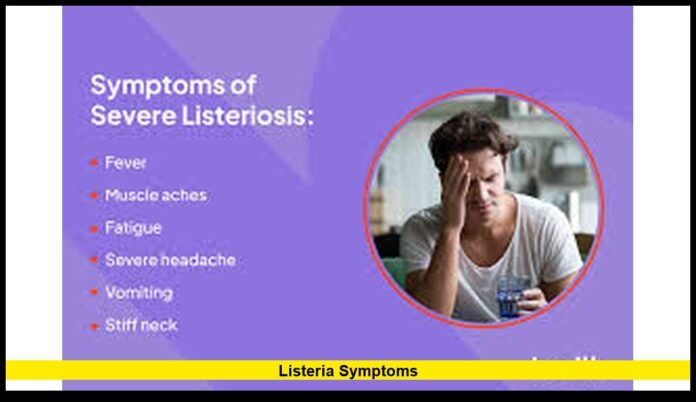

Listeria symptoms are a growing concern across the United States as food safety alerts and contamination incidents continue to affect everyday products. This bacterial infection can cause mild illness in some people and life-threatening disease in others. Because the early signs often resemble the flu or a simple stomach bug, many cases go unrecognized until the infection becomes severe. Knowing how listeria affects the body, how symptoms develop, and who faces the highest risk is essential for timely treatment and better outcomes.
Listeriosis is caused by the bacterium Listeria monocytogenes. Unlike many other foodborne germs, it can survive and multiply in cold temperatures, including inside refrigerators. Once it enters the body, it may remain in the intestines or spread to the bloodstream and nervous system. The pattern of symptoms depends on how far the infection progresses and on the individual’s immune response.
How Listeria Enters the Body
Most infections begin after eating contaminated food. The bacteria can be present in ready-to-eat items that do not require further cooking, such as:
- Deli meats and hot dogs
- Soft cheeses made from unpasteurized milk
- Smoked seafood
- Packaged salads
- Pre-cooked poultry and meat products
- Refrigerated pâtés and spreads
After ingestion, the bacteria cross the intestinal lining. In healthy adults, the immune system may limit the infection to the digestive tract. In vulnerable individuals, the bacteria can enter the bloodstream and reach vital organs, including the brain.
Early Digestive Listeria Symptoms
The first stage of illness often involves the gastrointestinal system. These symptoms may appear within several hours or a few days after exposure.
Common early signs include:
- Diarrhea
- Nausea
- Vomiting
- Abdominal cramping
- Low-grade fever
- General weakness
At this stage, the illness may look like routine food poisoning. Some people recover without medical care. However, the bacteria can continue multiplying silently and later cause invasive disease.
Systemic and Invasive Listeria Symptoms
When the infection spreads beyond the intestines, it becomes far more dangerous. This form of illness can affect the blood and central nervous system.
Typical systemic signs include:
- High fever
- Chills
- Profound fatigue
- Muscle and joint pain
- Headache
Neurological involvement may lead to:
- Stiff neck
- Sensitivity to light
- Confusion or altered mental status
- Difficulty walking or maintaining balance
- Slurred speech
- Seizures
These symptoms may develop gradually or appear suddenly. They often signal meningitis or bloodstream infection, both of which require immediate hospital care.
Incubation Period and Delayed Onset
One of the most challenging aspects of listeriosis is the long incubation period. Symptoms may begin:
- A few hours after ingestion
- Several days later
- Up to two months after exposure
This delay makes it difficult to connect illness with a specific food. People may not recall what they ate weeks earlier, which can slow diagnosis and treatment.
Listeria Symptoms During Pregnancy
Pregnancy significantly increases susceptibility to listeriosis. Hormonal changes alter the immune response, allowing the bacteria to spread more easily. The mother’s symptoms are often mild, but the consequences for the fetus can be severe.
Common maternal signs include:
- Fever
- Fatigue
- Muscle aches
- Back pain
- Headache
- Flu-like discomfort
Even when these signs seem minor, the bacteria can cross the placenta. This may result in:
- Miscarriage
- Stillbirth
- Preterm labor
- Severe infection in the newborn
Because of these risks, any fever or flu-like illness during pregnancy after possible exposure should prompt urgent medical evaluation.
Listeria Symptoms in Newborns
Infants may become infected before birth or during delivery. Their immune systems are not fully developed, making them highly vulnerable.
Symptoms in newborns can include:
- Poor feeding
- Vomiting
- Breathing difficulties
- Lethargy
- Irritability
- Fever or low body temperature
- Seizures
Infections in this age group can progress rapidly and may cause long-term neurological damage if treatment is delayed.
Older Adults and Immunocompromised Individuals
People over 65 and those with weakened immune systems face the highest risk of severe disease. Conditions that increase vulnerability include:
- Cancer and chemotherapy
- Organ transplantation
- Diabetes
- Kidney disease
- HIV infection
- Long-term steroid use
In these populations, symptoms may include:
- Persistent high fever
- Severe headache
- Confusion
- Stiff neck
- Loss of coordination
- Rapid breathing
- Low blood pressure
Such signs often indicate invasive infection and require emergency medical care.
Progression of Illness
Listeriosis may follow a two-stage pattern:
- Initial intestinal illness
Mild digestive upset and low fever. - Secondary invasive disease
High fever, neurological symptoms, and bloodstream infection.
Not everyone experiences both stages. Some develop invasive disease without noticeable stomach symptoms. This unpredictable progression is why clinicians take even mild signs seriously in high-risk individuals.
Potential Complications
Without prompt treatment, listeriosis can lead to serious outcomes, including:
- Meningitis
- Encephalitis
- Sepsis
- Respiratory failure
- Pregnancy loss
- Permanent neurological damage
Mortality rates are higher than with most other foodborne infections, particularly among older adults and newborns.
Diagnosis and Medical Evaluation
Doctors consider listeriosis when patients present with compatible symptoms and a history of consuming high-risk foods. Diagnosis typically involves:
- Blood cultures
- Cerebrospinal fluid testing if neurological symptoms are present
- Placental or amniotic fluid testing in pregnancy-related cases
Early identification allows for timely antibiotic therapy, which greatly improves outcomes.
When Immediate Care Is Needed
Seek urgent medical attention if any of the following occur:
- Fever with severe headache or stiff neck
- Confusion or changes in consciousness
- Seizures
- Trouble breathing
- Loss of balance
- Persistent vomiting
- Signs of infection during pregnancy
Early treatment can prevent progression to life-threatening disease.
Why Symptoms Are Often Overlooked
Several factors contribute to underrecognition:
- Flu-like presentation
- Long delay between exposure and illness
- Mild early symptoms
- Lack of awareness about food recalls
Because of this, public health experts stress the importance of monitoring health after consuming high-risk foods and seeking evaluation for unexplained fever or neurological signs.
Importance of Vigilance
Listeriosis remains one of the most serious foodborne infections in the United States due to its high hospitalization and fatality rates. Recognizing warning signs early allows patients to receive lifesaving care and helps prevent complications, especially in those most at risk.
Understanding listeria symptoms and acting quickly when they appear can protect not only your own health but also the health of your family, so stay alert and share your thoughts or experiences in the comments below.