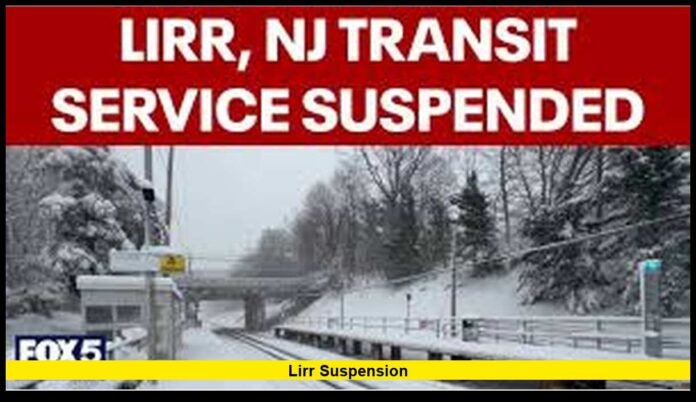

LIRR suspension alerts continue to affect Long Island Rail Road riders as service interruptions tied to infrastructure work, signal problems, and operational incidents impact multiple branches across the network.
Transit officials continue to issue suspension notices when safety concerns, equipment failures, or scheduled construction require trains to stop running on specific segments. These disruptions have appeared across several branches in recent months, influencing peak commutes and forcing schedule adjustments for one of the nation’s busiest commuter rail systems.
Understanding an LIRR Suspension
An LIRR suspension refers to a temporary halt of train service on a branch, line segment, or group of scheduled trains.
It rarely means the entire system shuts down. Instead, suspensions usually target areas where crews must perform urgent repairs, investigate incidents, or complete planned construction work.
During a suspension, riders may encounter:
- Trains terminating earlier than scheduled
- Bus service replacing rail service
- Delays spreading across connecting routes
- Platform congestion during peak periods
Because the LIRR connects Long Island communities to major New York City hubs, even limited suspensions can disrupt thousands of commuters.
Primary Reasons Behind LIRR Suspension Events
Several recurring factors continue to drive suspension notices.
Infrastructure upgrades
Large modernization projects often require crews to temporarily halt service to safely access tracks and signals.
Signal failures
Signal issues remain a leading cause of sudden disruptions. When signals malfunction, trains cannot move until technicians resolve the problem.
Mechanical problems
Disabled trains sometimes block tracks, forcing temporary suspensions while crews remove equipment.
Safety-related incidents
Authorities may suspend service after track obstructions, collisions, or emergency investigations.
Each of these situations prioritizes safety over schedule reliability.
Branches Frequently Impacted
Suspensions tend to occur on lines experiencing heavy construction or complex operations.
Branches that have seen recurring disruption periods include:
- Ronkonkoma Branch
- Babylon Branch
- Port Jefferson Branch
- Hempstead Branch
- Atlantic Terminal service routes
A suspension on one branch often affects transfer points, especially Jamaica Station, which serves as a central hub.
Service into Penn Station and Grand Central Madison can also experience delays when upstream service pauses.
How Transit Officials Manage a Suspension
Operational teams activate a response plan once service stops.
Typical actions include:
- Providing shuttle buses between affected stations
- Re-routing trains where alternate tracks exist
- Adjusting schedules to maintain partial service
- Delivering real-time alerts through apps and station announcements
Crews focus on restoring limited service first, followed by a full schedule once conditions are confirmed safe.
Communication has improved in recent years, though sudden disruptions still create confusion during busy travel periods.
Commuter Impact Across the Region
An LIRR suspension changes daily travel patterns quickly.
Many riders experience:
- Longer commute times
- Increased crowding on alternate trains
- Greater reliance on subways and buses
- Higher demand for rideshare services
Business districts in Manhattan often feel immediate effects because the LIRR serves as a primary commuter gateway from Long Island.
Airport travel can also be affected, particularly routes connecting through Jamaica Station.
Planned Work Driving Recent Suspension Notices
A significant number of suspension alerts are tied to long-term improvement projects.
Key focus areas include:
- Signal modernization programs
- Track replacement work
- Interlocking upgrades
- Accessibility improvements at stations
- Capacity expansion initiatives
These projects aim to improve reliability, increase service frequency, and reduce future disruptions.
Planned suspensions are usually announced ahead of time so riders can prepare.
Typical Timeline of an LIRR Suspension
Most suspension events follow a predictable sequence.
Before the suspension
- Advance notice for planned work
- Schedule adjustments published
During the suspension
- Real-time updates issued
- Alternate transportation deployed
After restoration
- Gradual return to normal schedules
- Residual delays possible during recovery
Understanding this cycle helps commuters plan around disruptions.
Technology Efforts to Reduce Future Suspensions
Transit agencies continue investing in systems designed to prevent service interruptions.
Recent efforts focus on:
- Advanced signal systems
- Predictive maintenance tools
- Remote monitoring of equipment
- Faster incident response coordination
These improvements aim to detect problems earlier and reduce emergency shutdowns.
Long-term reliability depends on continued infrastructure upgrades.
What Riders Should Do When Service Is Suspended
Preparation can reduce stress during disruptions.
Helpful steps include:
- Checking alerts before traveling
- Allowing additional commute time
- Identifiying alternate routes in advance
- Following instructions from station staff
Frequent riders often adjust schedules during heavy construction periods.
Outlook for Future LIRR Suspension Events
Temporary suspensions are expected to continue as modernization projects move forward. Large commuter rail networks regularly pause service to complete upgrades safely.
Transportation planners expect fewer emergency disruptions once major projects are completed.
Improved signals, expanded capacity, and upgraded stations should strengthen long-term reliability across the system.
For now, riders should expect periodic service suspensions tied to maintenance, safety investigations, and infrastructure improvements.
Have you experienced a recent LIRR suspension during your commute? Share your experience in the comments and stay alert for the latest service updates.