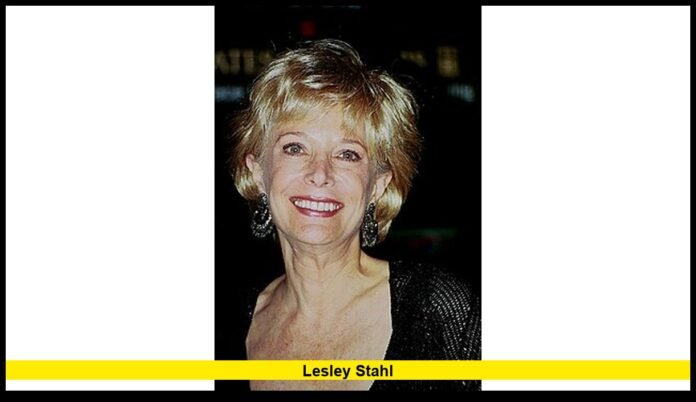

Lesley Stahl continues to generate nationwide attention as her most recent high-profile interview triggered strong reactions from viewers, political figures, and media analysts. The broadcast featured a tense exchange that quickly became a major talking point across the United States, reinforcing why Lesley Stahl remains one of the most recognizable and influential journalists on American television.
A Veteran Journalist With Decades of Influence
Lesley Stahl has built a career that spans more than fifty years, marked by landmark political interviews, investigative reporting, and a long-standing presence on prime-time news programming. Her on-air work has left a lasting imprint on U.S. journalism, shaping public understanding of major national developments and setting a standard for tough, accountability-driven interviews.
Throughout her career, Stahl has covered presidential administrations, global conflicts, domestic policy controversies, and the inner workings of government agencies. Her reporting style balances composure with directness, enabling her to engage with figures across the political spectrum while maintaining a steady focus on fact-driven journalism.
Her longevity in the field has also made her a trusted figure for many viewers, particularly those who turn to long-form news broadcasts for context, detail, and authoritative reporting. Year after year, she remains a key contributor to one of the most notable investigative news programs in the United States.
The Interview That Sparked National Discussion
This week, Lesley Stahl’s latest interview captured millions of viewers. The exchange quickly circulated on television, digital platforms, and social media due to its confrontational moments and pointed questioning.
The segment featured direct challenges, rapid-fire follow-ups, and moments of visible frustration from the guest. Stahl pushed for clarity on statements and actions that have stirred public debate, leading to heightened tension throughout the conversation. Viewers reacted strongly, with many praising her for standing firm and others debating her approach.
What gave the interview additional weight was the political climate surrounding it. Public trust in institutions, the tone of national debate, and the role of journalism in fact-checking public figures all contributed to broader discussions about the purpose and impact of televised investigative interviews.
Rather than shying away from sensitive topics, Stahl pressed into them. She questioned inconsistencies, revisited past remarks by the guest, and maintained a steady demeanor even as the conversation intensified. The result was a broadcast that not only captured attention but also encouraged Americans to reexamine how journalists hold public figures accountable.
A Style Defined by Directness and Control
Over the years, Lesley Stahl has become known for a distinctive interviewing style characterized by:
• Short, pointed questions
• Calm but persistent follow-ups
• A firm refusal to let vague claims go unchallenged
• A focus on factual clarity rather than emotional response
This combination has consistently led to revealing interviews that often become central to national conversations. Stahl rarely raises her voice or reacts visibly; instead, she relies on composure and precision to challenge statements and keep the interview grounded in fact.
Her ability to remain in control during tense moments has earned respect from fans of investigative journalism. At the same time, it sometimes draws criticism from viewers who prefer a confrontational or more lenient approach. Still, her style remains one of the most studied and discussed in long-form broadcast journalism.
Public Response Across the Country
The interview generated rapid reaction throughout the United States. Clips spread across social platforms, where viewers shared their interpretations of the most contentious moments. Discussions ranged from political commentary to reflections on media responsibility.
Several themes dominated the public reaction:
• Many viewers praised Stahl’s persistence and her refusal to accept broad or unsupported statements.
• Others debated whether the tone of the interview contributed to heightened tension or exposed deeper problems in public dialogue.
• Media observers highlighted how the conversation reflected the challenges journalists face when interviewing figures who embrace confrontational rhetoric.
• Political commentators analyzed the interview’s potential effect on public opinion and ongoing political debates.
What remained clear was the central role Stahl played in guiding the conversation and shaping the national response. Even days after the broadcast, reactions continued to appear online, demonstrating the lasting impact of her reporting.
Internal Challenges and Media Landscape Pressures
In recent months, Lesley Stahl has also addressed broader challenges within major news organizations. She has openly discussed issues related to leadership changes, staff concerns, and the growing pressures placed on newsrooms navigating shifting industry dynamics.
These comments resonated with journalists across the country, many of whom have experienced similar changes in their own workplaces. As digital platforms reshape the media landscape, legacy institutions continue to face questions about direction, resources, and editorial independence.
Stahl’s remarks brought public attention to tensions that often remain behind closed doors, highlighting the strain that fast-changing industry pressures can place on reporters, producers, and support staff. She underscored the importance of maintaining a strong editorial identity even as organizations confront internal restructuring or public scrutiny.
A Legacy Built on Credibility and Consistency
Even amid external changes and industry challenges, Lesley Stahl’s on-air work remains remarkably consistent. Viewers recognize her for her calm delivery, disciplined preparation, and ability to delve into the details of complex issues without losing sight of the broader picture.
Her body of work includes:
• Presidential interviews across multiple administrations
• Coverage of national and international crises
• In-depth investigations into government agencies
• Stories highlighting scientific, cultural, and economic developments
Stahl’s reporting has introduced audiences to whistleblowers, policymakers, innovators, and everyday citizens whose stories deserved national attention. Her consistency and longevity have made her a fixture in American media, with a reputation grounded in persistence and professionalism.
Why Her Reporting Still Matters
In an era of rapid news cycles and instant digital reactions, thoughtful long-form reporting remains essential. Lesley Stahl’s work provides viewers with:
• Context behind breaking news
• Clarity on contested political claims
• Insight into stories that might otherwise go underreported
• A steadier, more measured approach than quick sound bites allow
Her interviews often serve as starting points for deeper discussions in homes, workplaces, and universities. They encourage viewers to think critically about the information they consume and to question narratives that rely on emotion rather than fact.
Stahl’s ability to mix depth with accessibility has helped sustain public interest in long-format journalism, even as audience habits continue to evolve.
A Look at Her Continuing Influence
While many journalists cycle in and out of public attention, Stahl remains a central part of the national media conversation. Her latest interview renewed interest in her reporting and sparked debates about what Americans expect from televised political exchanges.
Her influence is particularly evident in several areas:
• Political accountability: Her interviews often highlight the gap between political rhetoric and documented fact.
• Media standards: Viewers frequently compare her interviewing style with those of other journalists, using her approach as a benchmark.
• Generational impact: Younger reporters cite her work as an example of how to conduct firm yet fair interviews.
• Public trust: Many viewers rely on her reporting because of her consistent approach to fact-finding and clarity.
As news continues to evolve and audiences shift to new platforms, Stahl’s role underscores the continued relevance of seasoned journalists who bring history, insight, and experience to every interview.
Timeline of Recent Developments
• A major interview this week draws nationwide attention and sparks widespread public discussion.
• Public comments in recent months reveal internal challenges faced within news organizations.
• Industry analysts revisit discussions on newsroom leadership, editorial independence, and structural shifts.
• Continued recognition of her decades-long career reinforces her position as a leading figure in American journalism.
• Viewer interest grows as segments circulate online, expanding the conversation beyond the initial broadcast.
What Audiences Can Expect Moving Forward
Lesley Stahl is likely to remain a prominent figure in U.S. journalism. Her ability to conduct high-impact interviews ensures that future broadcasts will continue to attract national interest. Viewers can expect more in-depth conversations, continued scrutiny of major political and social issues, and a consistent commitment to accountability.
While the media landscape continues to change, the value of experienced journalists remains clear. Stahl’s reporting demonstrates the importance of professionalism, preparation, and integrity—qualities that keep audiences engaged and informed.
Conclusion
Lesley Stahl’s latest interview reinforces her status as one of the most influential journalists in the United States. Her direct questioning, composure under pressure, and unwavering commitment to clarity continue to shape national conversations and elevate public understanding of major issues.
Share your thoughts in the comments — what did you think of her latest interview and its impact on the national conversation?