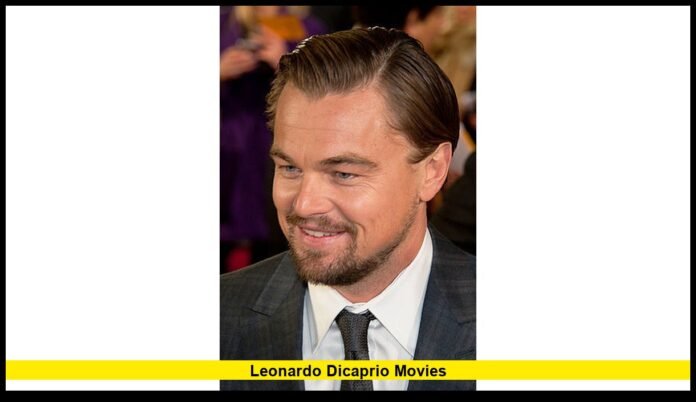

Leonardo DiCaprio movies continue to hold a unique and powerful position in American cinema, reflecting a career built on discipline, selectivity, and long-term artistic vision rather than volume or trend-following. As of today, DiCaprio stands among a small group of actors whose work consistently bridges commercial success and critical respect. His films attract wide U.S. audiences while also shaping conversations about acting standards, storytelling depth, and cinematic ambition.
Over the course of several decades, DiCaprio has demonstrated that sustained relevance in Hollywood depends not on constant visibility, but on purposeful choices. His career trajectory reveals a steady evolution from raw emotional intensity to controlled, layered performances that mirror both personal maturity and industry change.
Early Foundations and the Making of a Serious Actor
Leonardo DiCaprio’s earliest film roles laid the groundwork for a career rooted in emotional authenticity and psychological realism. From the beginning, his performances showed an instinctive understanding of character motivation, allowing him to portray vulnerability, fear, and inner conflict with striking believability. Unlike many young actors who rely on surface-level charm, DiCaprio leaned into emotional exposure, often choosing roles that required discomfort and risk.
These early performances signaled an uncommon seriousness. He treated even small roles as opportunities to develop craft rather than simply gain exposure. This approach earned him attention not because of marketing appeal, but because of his ability to convey lived experience on screen. Industry professionals quickly recognized that his work carried weight beyond his age.
This foundation shaped every stage that followed. The habits formed early—research, immersion, and emotional commitment—became permanent fixtures of his process.
Sudden Fame and a Defining Career Decision
When global fame arrived, it did so at a scale few actors experience. One highly successful film transformed DiCaprio into a cultural icon almost overnight, particularly within the United States. His image dominated media, and public attention intensified to an overwhelming degree.
At this moment, DiCaprio faced a critical choice. Many actors in similar positions lean into familiarity, repeating successful formulas to maintain momentum. DiCaprio chose the opposite path. He deliberately stepped away from roles that relied on romance-driven appeal and pursued projects that challenged both audience expectations and his own range.
This decision reshaped public perception. Instead of being defined by popularity, he repositioned himself as a serious actor willing to trade short-term comfort for long-term credibility. That pivot remains one of the most consequential choices of his career.
Building a Filmography Through Director Trust
A consistent thread throughout Leonardo DiCaprio movies is trust in directors with strong creative identities. Rather than prioritizing studio-driven projects, he repeatedly aligned himself with filmmakers known for narrative control, visual precision, and thematic ambition.
These collaborations often demand patience, preparation, and willingness to explore morally complex material. DiCaprio thrives in these environments because they allow deep character exploration rather than surface-level performance. His roles frequently examine ambition, power, guilt, obsession, and consequence, reflecting a sustained interest in human behavior under pressure.
This director-focused strategy elevated his work and contributed to a filmography that feels cohesive despite spanning multiple genres.
Emotional Range Without Repetition
One of the most remarkable aspects of DiCaprio’s career is his ability to portray intensity without becoming predictable. Although many of his roles involve psychological strain, no two performances feel identical. Each character operates within a distinct emotional framework shaped by circumstance, personality, and moral context.
This variety prevents stagnation. Viewers do not watch a DiCaprio film expecting the same emotional beats; instead, they anticipate transformation. His performances adapt to tone, pacing, and narrative structure, ensuring freshness even when themes overlap.
This capacity for reinvention strengthens audience trust and sustains long-term engagement.
Physical Commitment as Narrative Support
DiCaprio’s physical preparation for roles often attracts attention, but it serves a deeper purpose than spectacle. Whether enduring extreme conditions or altering appearance, his transformations are grounded in narrative necessity. Physical strain becomes an extension of character psychology rather than a standalone achievement.
This approach enhances realism. Audiences sense authenticity because the physical demands align with emotional stakes. The result is immersion rather than admiration from a distance.
Such commitment reflects respect for storytelling and reinforces the seriousness with which DiCaprio approaches his work.
Awards Without Dependency or Distraction
Recognition has followed DiCaprio throughout his career, yet it has never dictated his creative direction. After achieving industry validation, he did not shift toward safer or prestige-only roles. Instead, he maintained the same decision-making framework that guided him before recognition arrived.
This consistency demonstrates internal clarity. Awards became acknowledgment rather than motivation. His focus remained on narrative strength, director collaboration, and character depth.
For U.S. audiences, this reinforces the perception of authenticity rather than career calculation.
Maturity and Evolution in Recent Performances
In the later phase of his career, DiCaprio’s performances reflect a refined sense of control. Rather than relying on visible intensity, he often conveys emotion through restraint, silence, and subtle behavioral choices. This evolution mirrors both personal growth and broader changes in storytelling preferences.
His recent roles frequently explore systemic issues, historical consequences, and moral ambiguity. Characters are no longer driven solely by personal ambition but are shaped by larger forces beyond their control.
This shift adds gravity to his work and aligns with audiences seeking depth and relevance.
Leonardo DiCaprio Movies and the Modern U.S. Box Office
Despite avoiding franchises and frequent releases, DiCaprio remains a powerful box office presence in the United States. His films consistently attract adult audiences looking for narrative-driven theatrical experiences rather than spectacle-heavy entertainment.
Studios recognize his name as a marker of quality. His involvement signals seriousness, attracting viewers who value story, performance, and direction. This influence allows non-franchise films to succeed commercially.
His box office impact demonstrates that thoughtful cinema still has a strong place in American theaters.
Strategic Absence and Long-Term Interest
DiCaprio’s extended breaks between projects are not signs of withdrawal but strategic choices. These pauses prevent overexposure and allow anticipation to build naturally. Each new release feels intentional rather than routine.
This approach benefits performance quality as well. Time away allows for deeper preparation and ensures that each role receives full attention.
For audiences, absence enhances value rather than diminishing relevance.
Influence on Acting Culture and Industry Standards
Leonardo DiCaprio’s career has reshaped expectations for leading actors in American cinema. His success demonstrates that commercial appeal does not require creative compromise. Young actors often cite his career as proof that selective choices can lead to longevity.
His emphasis on collaboration, preparation, and authenticity has influenced performance culture across the industry. Serious acting is no longer seen as incompatible with mainstream success.
This influence extends beyond individual films into broader industry norms.
Cross-Generational Relevance
One of the defining strengths of DiCaprio’s filmography is its ability to resonate across generations. Older audiences appreciate his long-term consistency, while younger viewers discover his work through modern platforms and remain engaged.
This cross-generational appeal stems from universal themes rather than trend-based storytelling. His characters confront fear, ambition, morality, and consequence—experiences that remain relevant regardless of era.
This timelessness secures the longevity of his work.
Why His Career Remains Distinct
Many actors achieve success, but few maintain coherence across decades. DiCaprio’s career stands apart because of clarity. His choices reflect a consistent philosophy centered on story integrity, emotional truth, and collaboration.
Even when portraying flawed individuals, he avoids simplification. Characters are allowed contradiction and complexity, encouraging reflection rather than judgment.
This depth invites repeated viewing and long-term discussion.
The Role of Intention in Lasting Impact
DiCaprio’s journey illustrates that intention matters more than output. By resisting pressure to remain constantly visible, he preserved creative control and personal credibility.
His films feel curated rather than accumulated. Each role contributes meaningfully to the overall shape of his career.
This intentionality is the foundation of his enduring impact.
Looking Forward Through Proven Patterns
Without relying on speculation, DiCaprio’s established behavior offers insight into what audiences can expect: continued selectivity, collaboration with strong directors, and roles that prioritize meaning over convenience.
His career suggests a focus on legacy rather than trend alignment. This approach ensures consistency and reinforces trust among viewers.
A Career That Redefined Expectations
Leonardo DiCaprio’s contribution to American cinema extends beyond performance. He redefined what sustained success looks like in a changing industry. Through discipline, patience, and creative integrity, he built a body of work that remains relevant, respected, and widely discussed.
His films challenge audiences to engage, reflect, and reconsider assumptions about storytelling and character.
Leonardo DiCaprio’s work continues to remind audiences that powerful cinema is built on intention, depth, and courage—share which of his roles stays with you long after the credits roll.