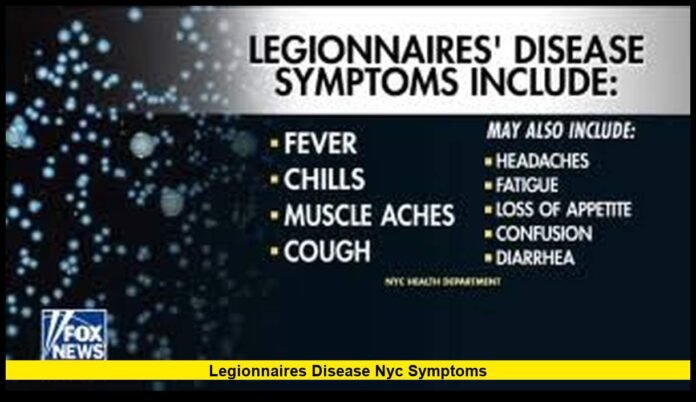

Legionnaires disease NYC symptoms have become an important public health topic as health officials continue monitoring water systems across New York City to prevent outbreaks of this serious bacterial infection. Although the disease is relatively uncommon, it can cause severe pneumonia and lead to life-threatening complications if it is not diagnosed and treated promptly. Knowing how the illness develops, who is most at risk, and when to seek medical care can make a significant difference in recovery.
Understanding Legionnaires’ Disease
Legionnaires’ disease is a severe lung infection caused by Legionella bacteria, most commonly Legionella pneumophila. These bacteria naturally occur in lakes, rivers, and streams, where they rarely pose a threat to human health. Problems arise when they multiply inside man-made water systems such as cooling towers, plumbing systems, decorative fountains, hot tubs, and large commercial water networks.
The bacteria spread when people inhale tiny droplets of contaminated water. Once inhaled, they can infect the lungs and cause pneumonia. Unlike many respiratory illnesses, Legionnaires’ disease is not considered contagious through normal person-to-person contact.
Public health agencies across the United States, including those in New York City, have implemented extensive monitoring programs designed to detect bacterial growth early and reduce the chances of community outbreaks.
Why New York City Pays Close Attention to Legionella
New York City has one of the largest concentrations of high-rise buildings, hotels, hospitals, apartment complexes, and office towers in the world. These structures rely on extensive plumbing systems and cooling towers that require careful maintenance.
Warm water combined with periods of stagnation creates conditions where Legionella bacteria may multiply if proper cleaning and disinfection are not maintained.
Following several significant outbreaks over the past decade, city officials strengthened regulations requiring routine inspections, water testing, maintenance schedules, and rapid response procedures whenever elevated bacterial levels are discovered.
These preventive measures have greatly improved the city’s ability to identify potential risks before they become widespread public health concerns.
How Legionnaires’ Disease Spreads
The infection is acquired by breathing in microscopic water droplets that contain the bacteria. These droplets can become airborne through several sources, including:
- Cooling towers used by commercial buildings
- Hotel plumbing systems
- Apartment complexes
- Hospital water systems
- Decorative fountains
- Hot tubs and spas
- Industrial water equipment
- Large air-conditioning systems
Drinking contaminated water generally does not cause Legionnaires’ disease unless the water accidentally enters the lungs through aspiration.
One of the most important facts for the public to understand is that the disease does not spread through casual contact, coughing, handshakes, or sharing food with someone who is infected.
Recognizing the Early Symptoms
The earliest warning signs often resemble influenza or another viral respiratory illness.
Common early symptoms include:
- Fever
- Chills
- Muscle aches
- Fatigue
- Mild headache
- General weakness
- Loss of appetite
Because these symptoms are nonspecific, many people initially believe they have a seasonal virus and delay seeking medical care.
When Pneumonia Develops
As the bacterial infection spreads through the lungs, symptoms typically become more severe.
Patients may experience:
- Persistent cough
- Shortness of breath
- Chest pain
- High fever
- Difficulty breathing
- Confusion
- Nausea
- Vomiting
- Diarrhea
- Extreme fatigue
Some patients produce mucus when coughing, while others develop a dry cough that gradually worsens.
Older adults may experience confusion or changes in mental status before respiratory symptoms become severe.
Without appropriate antibiotic treatment, pneumonia caused by Legionella bacteria can progress rapidly.
Who Faces the Highest Risk?
Although anyone exposed to contaminated water droplets can develop the disease, several groups have a significantly higher risk of severe illness.
These include:
Adults Over Age 50
The immune system naturally becomes less effective with age, making older adults more vulnerable to bacterial pneumonia.
Smokers
Smoking damages the lungs and weakens the body’s natural ability to clear bacteria from the respiratory tract.
Individuals With Chronic Lung Disease
People living with conditions such as chronic obstructive pulmonary disease (COPD), emphysema, or pulmonary fibrosis face increased risk because their lungs are already compromised.
People With Weakened Immune Systems
Individuals undergoing chemotherapy, organ transplant recipients, and those taking medications that suppress immune function are especially susceptible.
Patients With Chronic Medical Conditions
The risk also increases among people with:
- Diabetes
- Kidney disease
- Liver disease
- Cancer
- Heart disease
Healthy younger adults generally recover more easily if infected, although severe illness remains possible.
Conditions That Allow Legionella to Grow
The bacteria multiply most effectively in warm water that is not adequately disinfected.
Risk increases when water systems experience:
- Warm temperatures
- Low disinfectant levels
- Stagnant water
- Mineral buildup
- Biofilm accumulation inside pipes
- Inadequate maintenance
Large buildings with extensive plumbing networks require ongoing monitoring to minimize these risks.
How Doctors Diagnose the Disease
Since symptoms closely resemble many other respiratory infections, laboratory testing plays a critical role.
Doctors may recommend several diagnostic tests, including:
Urinary Antigen Test
This is one of the fastest and most widely used methods for detecting Legionella pneumophila, the species responsible for most infections.
Chest Imaging
Chest X-rays or CT scans help identify pneumonia and determine the extent of lung involvement.
Blood Tests
Routine blood work helps physicians evaluate inflammation and assess overall health.
Respiratory Samples
Sputum cultures or molecular testing may identify the bacteria directly from lung secretions.
Early diagnosis allows treatment to begin before complications become severe.
Available Treatment Options
Unlike viral respiratory infections, Legionnaires’ disease requires antibiotics.
Physicians commonly prescribe medications such as:
- Azithromycin
- Levofloxacin
- Moxifloxacin
Treatment usually begins immediately after diagnosis or when the disease is strongly suspected.
Patients with severe illness often require hospitalization for close observation and supportive care.
Hospital treatment may include:
- Oxygen therapy
- Intravenous fluids
- Respiratory monitoring
- Intensive care in serious cases
- Mechanical ventilation for respiratory failure
Most patients improve significantly once appropriate antibiotics begin working.
Recovery Expectations
Recovery varies considerably depending on age, overall health, and how early treatment starts.
Many individuals begin feeling better within several days, but complete recovery often takes weeks.
Some patients continue experiencing:
- Fatigue
- Reduced stamina
- Mild breathing difficulty
- Muscle weakness
These lingering effects may gradually improve over several months.
Older adults and those with underlying medical conditions frequently require longer recovery periods.
Possible Complications
Without prompt treatment, Legionnaires’ disease may cause serious complications.
Potential complications include:
- Respiratory failure
- Septic shock
- Kidney injury
- Multi-organ failure
- Intensive care admission
The risk of complications increases significantly among people with weakened immune systems or delayed diagnosis.
Fortunately, modern antibiotics have substantially improved patient outcomes when treatment begins early.
How Buildings Reduce the Risk
Building owners and facility managers play an important role in preventing Legionella growth.
Modern prevention programs include:
- Routine water testing
- Cooling tower inspections
- Water treatment
- Temperature management
- Pipe flushing
- Equipment cleaning
- Biofilm removal
- Maintenance documentation
Hospitals, hotels, apartment buildings, and office complexes often maintain comprehensive water management programs to reduce bacterial growth.
Public Health Response During an Outbreak
Whenever multiple cases appear in the same geographic area, health officials begin a coordinated investigation.
Typical response efforts include:
- Identifying common exposure locations
- Testing cooling towers
- Inspecting plumbing systems
- Collecting environmental water samples
- Ordering emergency disinfection
- Monitoring additional reported cases
- Providing public health updates
Rapid investigation helps identify the source before additional infections occur.
Protecting Yourself
Although individuals cannot control commercial water systems, there are practical ways to reduce risk.
These include:
- Staying informed during local health advisories
- Seeking medical care promptly if pneumonia symptoms develop
- Informing physicians about recent hotel stays or travel
- Reporting severe respiratory illness after exposure to buildings involved in public investigations
People with weakened immune systems should remain especially alert during reported outbreaks.
Common Misconceptions
Several myths continue to circulate about Legionnaires’ disease.
Myth: It spreads from person to person.
Current scientific evidence shows that ordinary contact between people is not considered a typical route of transmission.
Myth: Only hospitals experience outbreaks.
While hospitals carefully monitor their water systems, outbreaks have also been linked to hotels, apartment buildings, office towers, and other large facilities.
Myth: Healthy people cannot become infected.
Although severe illness is more common among high-risk groups, healthy adults can still develop Legionnaires’ disease after sufficient exposure.
Myth: Drinking contaminated water always causes infection.
The disease primarily occurs when contaminated water droplets are inhaled into the lungs rather than swallowed.
When to Seek Immediate Medical Care
Anyone experiencing pneumonia symptoms should seek prompt medical evaluation, particularly if they have recently spent time in a large commercial building or an area where health officials are investigating an outbreak.
Warning signs include:
- Persistent high fever
- Difficulty breathing
- Ongoing cough
- Chest pain
- Confusion
- Severe fatigue
- Symptoms that worsen instead of improving
Prompt diagnosis allows doctors to begin antibiotic treatment quickly, reducing the likelihood of serious complications.
Looking Ahead
Health experts continue improving water safety practices through better monitoring technology, enhanced maintenance standards, and stronger building regulations. These efforts have strengthened the ability to detect potential problems early while reducing the risk of widespread outbreaks.
Public awareness also plays an important role. Recognizing symptoms early and seeking medical care without delay remains one of the most effective ways to improve outcomes. As New York City continues investing in prevention and surveillance, maintaining well-managed water systems and educating residents about the disease will remain essential components of protecting public health.
Have questions about Legionnaires’ disease or experiences you’d like to share? Leave a comment below and stay updated with the latest health news, public safety developments, and medical guidance.