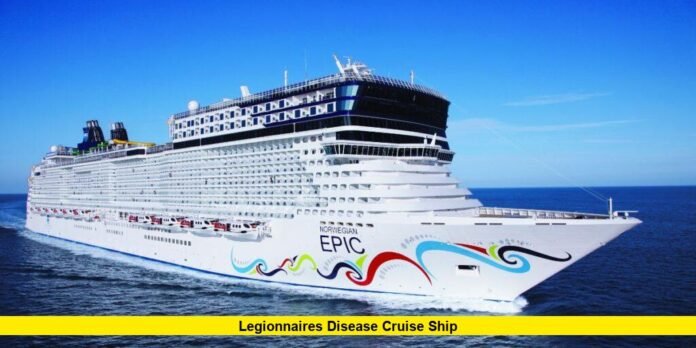

In February 2026, health notices were sent to travelers about Legionnaires disease cruise ship exposure after two passengers who sailed on a December 2025 Caribbean voyage aboard a major cruise liner were diagnosed with Legionnaires’ disease, a serious lung infection linked to aerosolized water droplets. Public health officials and the cruise line are working together to assess the situation, adding urgency for passengers and future travelers to stay informed and vigilant.
If you or someone you know recently cruised and is experiencing symptoms like cough, fever, or shortness of breath, seek medical care promptly — it could be key to early treatment and recovery.
Click below to stay informed with ongoing developments and health updates.
What Happened: Cruise Passengers Diagnosed After Voyage
In early 2026, two individuals who sailed aboard the Norwegian Encore in December 2025 were later diagnosed with Legionnaires’ disease after their trip. Both passengers developed symptoms after disembarkation, prompting the cruise line to notify other travelers who may have been on the same or nearby sailings.
Health specialists define Legionnaires’ disease as a severe form of pneumonia caused by Legionella bacteria, which can grow in warm water systems and spread through inhaled water vapor. In this case, investigations are ongoing to determine whether shipboard water systems were involved.
The cruise company reports it is conducting extensive testing of water sources, including showers, fountains, and especially hot tubs — common environments where Legionella can proliferate. So far, initial onboard water tests have not detected the bacteria, but work continues under the guidance of federal health officials.
Passengers who develop symptoms within about two weeks of their cruise are urged to contact a healthcare provider without delay.
Understanding Legionnaires’ Disease and Cruise Travel Risks
Legionnaires’ disease is not spread from person to person. Instead, it develops when someone inhales tiny droplets of water contaminated with Legionella bacteria. These bacteria thrive in warm, stagnant environments, including poorly maintained hot tubs, decorative fountains, showerheads, and plumbing systems — all of which are present on large passenger vessels.
While outbreaks tied to cruise travel are relatively uncommon, they do occur. Between late 2022 and mid-2024, more than a dozen cases linked to two ships were reported, with environmental investigations identifying private balcony hot tubs as likely sources. Although those incidents did not involve linked cases in 2025-26, they underscore ongoing water management challenges for cruise lines.
Older adults, smokers, and people with compromised immune systems are more susceptible to severe infections. Early symptoms often resemble flu — including cough, fever, headache, and muscle aches — making timely diagnosis and treatment critical to preventing complications such as respiratory failure.
Cruise Line Response and Passenger Notifications
After identifying the two recent cases linked to a December sailing, the cruise operator has proactively contacted guests who were on board at the time, as well as those currently sailing on Norwegian Encore. The company has reiterated that all water systems are being tested and cleaned as a precaution.
Shipboard operations have not been disrupted, and itineraries continue as scheduled while testing and monitoring proceed. Guests have been advised to pay attention to health symptoms and to get medical care if they become ill within 14 days of sailing. The notification also includes recommendations for passengers using medical devices with water reservoirs — such as CPAP machines — to use sterile or distilled water instead of tap water as an extra safeguard against contamination.
These measures reflect established industry practices for managing potential exposure to environmental pathogens on cruise vessels. They also demonstrate how cruise lines balance continued service with enhanced health vigilance.
Past Cruise Ship Cases Highlight Challenges
This is not the first time cruise-associated Legionnaires’ disease cases have prompted health alerts. In 2025, passengers on another line received health notices after diagnoses following travel on a Mediterranean voyage. And public health data from previous years shows that Legionella bacteria have been identified in cruise ship hot tubs and water systems, with private balcony hot tubs especially implicated in earlier outbreaks.
Investigations by federal health agencies found that some hot tubs and onboard water features can provide ideal conditions for Legionella growth if not maintained with strict sanitation protocols. Cruise lines have adapted by increasing water turnover, enhancing disinfection, and following stricter monitoring standards.
Despite these advances, identifying and eliminating environmental sources of Legionella remains a challenge on any vessel with complex water systems. That’s why public health experts emphasize prevention, education, and early detection for travelers.
Health Officials Urge Awareness and Early Action
The U.S. Centers for Disease Control and Prevention recommends that travelers who experience persistent respiratory symptoms after travel seek medical evaluation and inform their provider of recent trips, especially if they involved cruise ships or hotels. Legionnaires’ disease is often treatable with appropriate antibiotics when diagnosed early but can be life-threatening without prompt care, especially among vulnerable populations.
Medical professionals also stress the importance of disclosing travel history during appointments, as this information helps healthcare providers choose the right diagnostic tests and treatment plans.
In addition, passengers are encouraged to review any communications received from cruise lines regarding health notifications and to follow all guidance provided.
Expert Tips for Cruise Travelers
- Recognize symptoms early: Know the signs of Legionnaires’ disease, including cough, fever, chills, headache, and muscle aches.
- Seek prompt care: Don’t wait if symptoms develop after travel; early treatment reduces risks.
- Stay informed: Monitor health alerts from cruise lines and public health agencies.
- Practice safe water use: Be cautious with hot tubs and decorative water features when sailing.
- Talk to your doctor: Especially if you have risk factors like advanced age or chronic lung conditions.
These simple precautions help protect not only individual travelers but the broader cruising community.
We want to hear from you — share your experiences or questions in the comments and stay updated on this developing health topic.