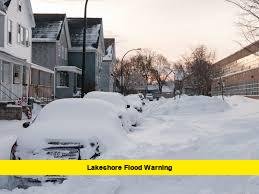

A lakeshore flood warning is affecting large portions of Michigan’s Upper Peninsula as severe winter weather drives dangerous conditions along the Lake Superior shoreline. Strong winds, elevated lake levels, and intense snowfall are combining to create flooding risks, transportation disruptions, and safety concerns for shoreline communities. Emergency officials are urging residents to remain alert as impacts continue to unfold across the region.
This developing situation highlights how winter storms on the Great Lakes can create multiple hazards at once, especially for communities located near the water’s edge.
Counties Facing the Greatest Impact
Confirmed alerts are centered on shoreline areas of the Upper Peninsula, including Keweenaw, Marquette, and Alger counties. These regions are particularly vulnerable due to their exposure to Lake Superior’s open waters and the orientation of their coastlines. Wind direction and storm intensity are forcing water toward shore, increasing the likelihood of flooding in low-lying areas.
Communities closest to the lake are experiencing the highest risk, especially locations where roads, homes, and businesses sit just above normal water levels.
Why Lake Superior Flooding Happens So Quickly
Lake Superior’s size plays a major role in how rapidly conditions can worsen. When powerful winter storms pass through the region, sustained winds push vast amounts of water toward the shoreline. This process, often referred to as wind setup, causes water levels to rise dramatically along the coast.
Unlike river flooding, lakeshore flooding can occur with little notice once winds strengthen. Large waves ride on top of already elevated water, pushing flooding farther inland than many residents expect.
Wind and Wave Conditions Driving the Warning
Meteorological data confirms that strong northerly and northwesterly winds are responsible for the current flooding threat. These winds generate large waves that crash directly into shoreline areas, overwhelming natural barriers and man-made protections.
Wave spray and surge are reaching roads, parking areas, and properties close to the lake. In some locations, water has already crossed road surfaces, making travel unsafe.
Winter Storm Intensifies the Threat
The flooding is occurring alongside a major winter storm impacting the Upper Peninsula. Heavy snowfall, blowing snow, and near-whiteout conditions are affecting both coastal and inland areas. Blizzard-level winds are reducing visibility while also worsening lakeshore impacts.
Snow accumulation adds additional strain to infrastructure and complicates emergency response efforts. Snow-covered roads near flooded areas become especially dangerous, as drivers may not see standing water or ice beneath the surface.
Travel Conditions Continue to Deteriorate
Transportation agencies across the Upper Peninsula report hazardous travel conditions. Lakeshore roads are particularly vulnerable as waves and spray freeze on pavement, creating slick surfaces. Snow drifts further reduce lane visibility, and closures are possible where flooding becomes severe.
Drivers are strongly advised to delay travel unless absolutely necessary. Even short trips near the shoreline can become dangerous when wind gusts and wave action intensify unexpectedly.
Impact on Homes and Businesses
Residents living near Lake Superior face an increased risk of property damage during this event. Floodwaters can enter basements, garages, and ground-level spaces. Repeated wave action also accelerates shoreline erosion, which may undermine foundations, docks, and access points.
Business owners along the lakeshore are taking precautions by securing outdoor equipment, moving inventory to higher ground, and limiting operations until conditions stabilize.
Erosion and Infrastructure Concerns
Shoreline erosion is one of the most lasting impacts of lakeshore flooding. Strong waves remove sand and soil, weakening natural defenses and exposing infrastructure. Over time, repeated storm events can permanently alter coastlines.
Roadways near the lake are at risk of damage as water seeps beneath pavement and freezes, leading to cracks and long-term maintenance issues once the storm passes.
Power Outage Risks Increase
High winds and heavy snow significantly raise the risk of power outages. Ice accumulation on lines and falling tree limbs can interrupt electrical service, especially in forested areas of the Upper Peninsula.
Utility crews are on standby, but restoration efforts may be delayed if conditions remain unsafe. Residents are encouraged to prepare for possible outages by charging devices and having backup lighting and heating options available.
Emergency Response and Public Safety Efforts
Local emergency management agencies are actively monitoring the situation. Officials have emphasized that residents should not attempt to view waves or flooding up close, as conditions can change rapidly and pose serious danger.
Public safety messages focus on avoiding flooded roads, respecting barricades, and staying indoors during peak wind periods. Emergency services remain available, but response times may be longer during the height of the storm.
Community Preparedness Measures
Residents along the Lake Superior shoreline are being encouraged to take proactive steps, including:
- Moving vehicles and valuables away from flood-prone areas
- Securing loose outdoor items that could become wind hazards
- Keeping emergency supplies readily accessible
- Monitoring weather alerts and local instructions
Preparedness is especially important for those living in isolated or rural shoreline locations.
Environmental Effects Beyond Flooding
In addition to immediate flooding, the storm is impacting wildlife and natural habitats along the lake. Ice movement and wave action can disrupt shoreline ecosystems, while prolonged snow cover affects animal movement inland.
Environmental agencies will continue assessing the storm’s effects after conditions improve.
What Residents Can Expect Next
Weather patterns suggest that the strongest winds and highest water levels will persist into the near term before gradually easing. Even as winds subside, residual flooding and debris may remain along the shoreline.
Cleanup and damage assessments are likely to continue for several days following the storm, particularly in areas where erosion or infrastructure damage occurred.
Why This Event Matters for the Great Lakes Region
This event underscores how winter storms on the Great Lakes can rival coastal storms in their impact. Lake Superior’s power, combined with winter weather, creates unique challenges that require constant vigilance from shoreline communities.
A lakeshore flood warning is more than a routine alert—it signals conditions that can threaten safety, property, and infrastructure in a short period of time.
Staying Informed and Vigilant
Officials stress that awareness and preparation remain the most effective tools during severe weather events. Conditions along Lake Superior can shift quickly, making timely information essential for decision-making.
Residents are urged to continue following official guidance and avoid unnecessary exposure to hazardous conditions.
How is the storm affecting your area along Lake Superior? Share your experience and stay alert as conditions continue to evolve.