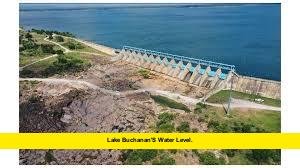

Lake Buchanan, a crown jewel of the Texas Highland Lakes, is more than just a beautiful body of water; it’s a vital resource for recreation, local economies, and water supply for Central Texas. Understanding its water level is crucial for anyone planning a visit, living nearby, or simply interested in the health of this magnificent lake.
In this comprehensive guide, we’ll dive deep into everything you need to know about Lake Buchanan’s water level, from its current status and historical trends to the factors that influence it and how it impacts your activities.
The Current Pulse of Lake Buchanan: What You Need to Know
As of July 14, 2025, at 11:30 PM PDT, the Lake Buchanan water level stands at approximately 1,019.17 feet above mean sea level (msl). The normal conservation pool level for Lake Buchanan is 1,020 feet msl, meaning the lake is currently very close to its full capacity, at around 98% full. This is a significant improvement from levels observed just a month ago, when it was around 1,003.19 feet msl.
This recent rise is largely attributed to the considerable rainfall experienced in Central Texas, particularly due to storms in recent months. While the lake fluctuates naturally, these recent events have brought a much-needed boost to the reservoir.
Where to find real-time data: For the most up-to-the-minute information, always consult official sources. The Lower Colorado River Authority (LCRA) Hydromet website and the National Water Prediction Service provide continuous, real-time data on Lake Buchanan’s water level. These resources are invaluable for planning your trip or staying informed.
Understanding the Ups and Downs: Factors Affecting Lake Buchanan’s Water Level
The water level of Lake Buchanan is a dynamic entity, constantly influenced by a complex interplay of natural and managed factors.
- Rainfall and Runoff: This is by far the most significant factor. The Lake Buchanan watershed, including rivers like the Colorado and Llano, feeds into the lake. Heavy rains in the Texas Hill Country, particularly in “Flash Flood Alley,” lead to increased runoff, rapidly filling the lake. Conversely, prolonged droughts naturally cause levels to drop.
- Evaporation: With its large surface area, Lake Buchanan experiences significant water loss through evaporation, especially during hot, dry Texas summers. The LCRA manages releases to minimize this loss, often prioritizing water from Lake Travis (which has a smaller surface area at similar percentages full) when possible.
- Water Releases and Management: The LCRA, responsible for managing the Highland Lakes system, strategically releases water from Lake Buchanan and other lakes to meet downstream water supply needs, including municipal, industrial, and agricultural demands. These releases are governed by the 2020 Water Management Plan, which considers various factors like lake levels, inflows, and environmental flow requirements.
- Inflows from Upstream Rivers: The Colorado River and Llano River are primary contributors to Lake Buchanan’s water supply. The flow rates of these rivers directly impact the lake’s inflow and, consequently, its level.
Why Does Lake Buchanan’s Water Level Matter? Impacts on Recreation and Ecosystem
The Lake Buchanan water level has a direct and profound impact on a wide array of activities and the health of its ecosystem.
- Boating and Water Sports: High water levels are ideal for boating, waterskiing, wakeboarding, and jet skiing, offering ample navigable space and reducing the risk of hitting submerged obstacles. When levels are low, certain boat ramps may become unusable, and hidden hazards like rocks or stumps can emerge, making navigation challenging and potentially dangerous. Always exercise caution and check local advisories.
- Fishing: Water levels influence fish behavior and access to fishing spots. When the lake is high, fish often move into newly flooded areas, offering new angling opportunities. Low levels can concentrate fish, but also reduce available habitat and make some areas inaccessible. Lake Buchanan is renowned for its striped bass and white bass, and their spring runs in the upper river sections are particularly dependent on good water levels.
- Swimming and Shoreline Access: Higher water levels mean more accessible swimming areas and wider beaches. Conversely, low levels can expose muddy shorelines, making access less appealing.
- Lakefront Properties and Businesses: Property values and the viability of lakefront businesses like marinas, resorts, and rental operations are significantly tied to the lake’s water level. Consistent good levels are crucial for a thriving local economy.
- Ecological Health: Fluctuations in water level can impact the lake’s ecosystem. Prolonged low levels can lead to habitat loss for fish and wildlife, disrupt food chains, and affect the nesting and breeding habits of birds. The LCRA’s management strategies aim to balance water supply needs with ecological considerations.
Historical Perspective: Trends and Resilience
Lake Buchanan, like all major reservoirs in Texas, has experienced significant fluctuations throughout its history. It has seen periods of extreme drought, leading to very low levels, and periods of abundant rainfall, bringing it to or above full capacity. For instance, the lake reached a historical low of 684.68 feet msl in August 2011, while it saw a historical high of 1,038.45 feet msl in June 2015.
These historical trends underscore the importance of water conservation and the adaptability required by residents and businesses around the lake. The recent increase in water levels serves as a welcome reminder of the lake’s resilience and the impact of weather patterns on this vital resource.
Planning Your Visit to Lake Buchanan: Essential Tips
If you’re planning a trip to Lake Buchanan, keeping an eye on the water level is paramount for a safe and enjoyable experience.
- Check Current Levels: Before you head out, always consult the LCRA Hydromet or National Water Prediction Service for the latest Lake Buchanan water level readings.
- Boat Ramp Access: If you plan to launch a boat, confirm that your preferred boat ramps are open and accessible at the current water level. Some ramps may be closed during periods of very low or very high water.
- Navigation Cautions: Be aware of potential submerged hazards, especially during periods of lower water. Navigational maps and local knowledge are invaluable.
- Fishing Reports: If fishing is your primary goal, check recent fishing reports from Texas Parks and Wildlife Department or local fishing guides, as water levels directly influence fishing conditions.
Conclusion
The Lake Buchanan water level is a dynamic indicator of the region’s climate and water management efforts. By staying informed about its current status, understanding the factors that influence it, and appreciating its impact on recreation and ecology, you can better enjoy and contribute to the stewardship of this irreplaceable Texas treasure. Whether you’re a seasoned angler, a weekend boater, or simply a lover of natural beauty, a grasp of Lake Buchanan’s water levels ensures a more informed and enriching experience.