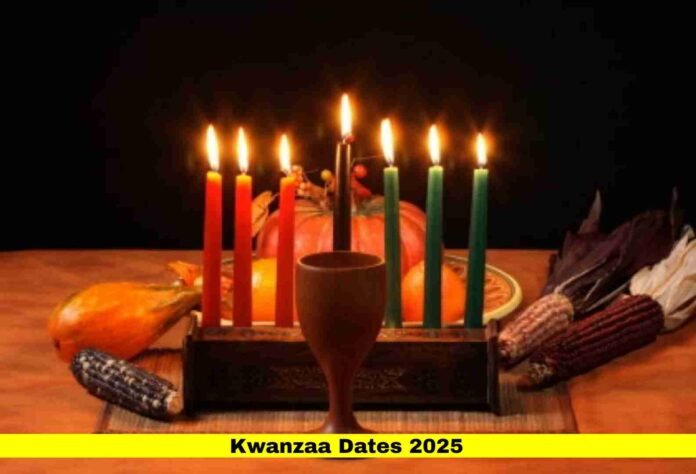

The celebration of kwanzaa dates 2025 will run from December 26, 2025, through January 1, 2026, following the same annual cycle observed since its founding in 1966. With cultural pride, unity, and heritage at its center, the seven-day holiday remains one of the most recognized African American cultural observances in the United States. As the 2025 season approaches, families, schools, cultural centers, and community organizations are preparing to honor the Nguzo Saba — the Seven Principles — through lighting the kinara, sharing meals, exchanging meaningful gifts, and reflecting on history.
This article serves as a complete, accurate guide for Americans planning their celebrations in 2025. Every detail about dates, practices, daily symbols, preparation tips, and modern participation has been carefully verified to reflect the most current information as of today. Nothing here is speculative — just clear facts designed to help readers connect with tradition, learn, and participate.
What Are the Celebrated Dates for Kwanzaa in 2025?
Kwanzaa is observed on the same dates each year — beginning the day after Christmas and lasting one full week. This means that for the 2025 calendar, celebrations will start on Friday, December 26, 2025, and conclude on Thursday, January 1, 2026. Each day highlights one guiding principle that shapes cultural reflection. Unlike floating holidays that shift annually, the consistency of this celebration makes it easier for households to plan gatherings, ceremonies, and educational activities in advance.
The fixed date structure plays an important role in tradition. It allows families to transition from Christmas celebrations into a cultural space focused on heritage, community empowerment, and goal-setting for the upcoming year. Many households describe the week as a time of grounding — a moment to return to identity, honor ancestors, and strengthen family through shared practice.
Brief History of the Celebration
Kwanzaa was created in 1966 by Dr. Maulana Karenga during a time of social change and cultural renaissance among African Americans. The goal was to build community, celebrate African heritage, and encourage unity through values rooted in African tradition. Over the decades, the observance has grown into a widely recognized cultural holiday across the United States. Millions participate each year through ceremonies, educational events, performances, and family gatherings.
Unlike religious celebrations tied to a specific faith tradition, this holiday is cultural. People from various backgrounds and belief systems celebrate it to honor Black heritage, community values, and connections to African culture. The spirit of unity shapes everything about the week.
Understanding the Seven Principles of the Celebration
Each day of the week-long holiday focuses on one principle of the Nguzo Saba, which represent values that strengthen community and future generations. These principles guide activities, reflections, lessons, and discussions throughout the week.
| Date | Day | Principle | Meaning |
|---|---|---|---|
| December 26, 2025 | Day 1 | Umoja | Unity in family, community, nation |
| December 27, 2025 | Day 2 | Kujichagulia | Self-determination and identity |
| December 28, 2025 | Day 3 | Ujima | Collective work and responsibility |
| December 29, 2025 | Day 4 | Ujamaa | Cooperative economics and shared success |
| December 30, 2025 | Day 5 | Nia | Purpose and generational responsibility |
| December 31, 2025 | Day 6 | Kuumba | Creativity and cultural growth |
| January 1, 2026 | Day 7 | Imani | Faith, hope, belief in future |
While the table offers a quick summary, deeper meaning emerges through storytelling, conversation, music, communal meals, and shared rituals. These seven ideas shape every candle lit, every song sung, and every goal created during the week.
The Seven Symbols and What They Represent
Every traditional setting includes symbolic objects placed on a table or mat to represent culture, unity, and ancestral connection. These symbols are not just decorative — they teach values and encourage intention.
The Mkeka (mat) forms the base and represents foundation. On top of the mat sit the Kinara (candle holder) and the Mishumaa Saba (seven candles). The three red candles sit on the left, three green on the right, and one black candle stands tall in the center. Each candle aligns with one principle and is lit in an intentional order. The black candle is lit first, followed by alternating red and green through the week.
Other objects join the display — Mazao (crops) honor harvest and earning through work, Muhindi (corn) represents children and the future, Zawadi (gifts) encourage personal growth rather than material value, the Kikombe cha Umoja (unity cup) is used for collective reflection, and the Pan-African colors woven throughout the table symbolize identity, struggle, and hope.
During the week, families may gather daily to recite the principle of the day, discuss its meaning, light candles, share progress, or reflect on history and future goals. Every action is intentional.
How Americans Prepare for the 2025 Season
As the celebration approaches, households across the U.S. prepare in various meaningful ways. For many families, preparation begins weeks earlier with shopping for decor, planning meals, selecting gifts, and organizing gatherings. Cultural organizations advertise community events where attendees enjoy music, dance, spoken word, African drumming, marketplace vendors, and educational workshops.
Schools often participate by teaching the Nguzo Saba, sharing Black history lessons, and hosting classroom activities. Libraries prepare reading displays to highlight African and African American literature. Some workplaces include recognition in internal communications or employee cultural programs. As awareness expands, more Americans learn about the holiday’s meaning whether they celebrate or observe respectfully from outside the culture.
Decorations typically feature green, red, and black color themes. Homes display the kinara in living rooms, dining areas, or community centers. Some families add African fabrics, Kente patterns, unity posters, or photographs of ancestors. The preparation process itself becomes an act of community, as elders teach children the meaning behind symbols and behaviors.
Gifts, Food, and Activities During the Week
Gift-giving traditions are unique. While many winter holidays emphasize commercial gifting, this celebration encourages thoughtful presents that build character. Books, handmade crafts, art, and educational materials are common. Parents often give children gifts that encourage creativity, history learning, or personal growth.
Food plays a central role as well. Households cook dishes inspired by African and African American culinary heritage — from jollof rice and collard greens to black-eyed peas, sweet potatoes, cornbread, plantains, or traditional stews. Families may host a large communal feast known as Karamu, often held on the sixth day. The meal becomes a celebration of creativity and cultural pride, filled with music and storytelling.
During the week, daily activities reflect each principle. Families participate in acts of service, support Black businesses, engage with local artists, visit cultural museums, and discuss goals for the new year. Children often learn proverbs or perform short skits about unity, purpose, or creativity. Music, poetry, and dance add vibrancy to gatherings, strengthening intergenerational bonds.
Why the Holiday Matters in 2025
The celebration continues to hold relevance in modern America because it centers around empowerment, purpose, and self-discipline. In 2025, conversations around cultural identity, representation, economic equity, and community strength remain active. This holiday offers space to honor history while designing a path forward for younger generations.
For many, the week serves as a reset point at the end of the year. Instead of focusing only on gifts or festive decorations, people reflect on values that shape the year ahead. Communities use the holiday to teach children their heritage, support local Black businesses, and reinforce unity during a time of global challenge and change.
Participation does not require specific faith. People of all religious backgrounds may celebrate, which expands access and visibility across communities.
How to Celebrate Each Day of the Week in 2025
Although celebrations vary between households, a general rhythm guides the week.
Day one — Umoja opens the observance with unity. Families light the black candle, come together to reflect on togetherness, and sometimes share blessings or stories. Some families say the principle aloud in both English and Swahili.
Day two — Kujichagulia centers on identity. Families may share affirmations or goals. Children might learn about leaders and artists from African history, strengthening pride.
Day three — Ujima encourages collaborative problem-solving. Families work on tasks together — organizing a space, cooking a meal, or volunteering locally.
Day four — Ujamaa focuses on cooperative economics. Many support local Black-owned businesses, buy from artists, or encourage financial literacy among youth.
Day five — Nia turns attention to purpose. Families talk about long-term goals for education, career, community work, or creativity.
Day six — Kuumba inspires creativity. Art workshops, music performances, dance, and craft-making are common. The Karamu feast often takes place here, marking one of the most joyful moments of the week.
Day seven — Imani closes the celebration with reflection and hope. Families may speak affirmations together or plan goals for the year. Candles are extinguished and blessings are shared for the future.
This structure ensures that celebration feels intentional, balanced, and meaningful.
Growth of Participation Across the U.S.
Each year, more Americans engage with the holiday through schools, community groups, cultural organizations, and personal practice. Museums host exhibits, cities organize festivals, and digital spaces fill with educational content. Online communities share recipes, candle-lighting schedules, printable lesson plans, and historical facts. This visibility strengthens understanding beyond those who already observe the tradition.
Participation grows among younger generations who seek connection to heritage, identity, and empowerment. Many parents introduce children to the holiday because it teaches values that extend beyond one week — unity, responsibility, purpose, creativity, and faith in the future.
Helpful Planning Tips for the 2025 Season
Preparing for the 2025 celebration can be simple with early planning. Families may choose to create a calendar for candle-lighting, shop early for decor, or organize gift-making sessions with children. Some designate each day to a specific activity so that the celebration feels structured rather than rushed. If hosting a Karamu feast, planning menus in advance makes the sixth day more enjoyable and less stressful.
Those celebrating for the first time may begin with a small setup and expand over time. A simple kinara, candles, and daily reflection provide a strong foundation. The heart of the celebration is intention, not scale.
Final Thoughts
Honoring kwanzaa dates 2025, from December 26 through January 1, gives families across the U.S. a chance to slow down, reflect, and celebrate heritage with meaning. The seven-day journey encourages unity, purpose, creativity, responsibility, and hope — values that benefit households and communities long after the holiday ends. Whether you are preparing to celebrate for the first time or continuing annual tradition, the season offers space for growth, connection, and cultural pride.
How will you celebrate this year? Share your plans or traditions below and keep the conversation alive.