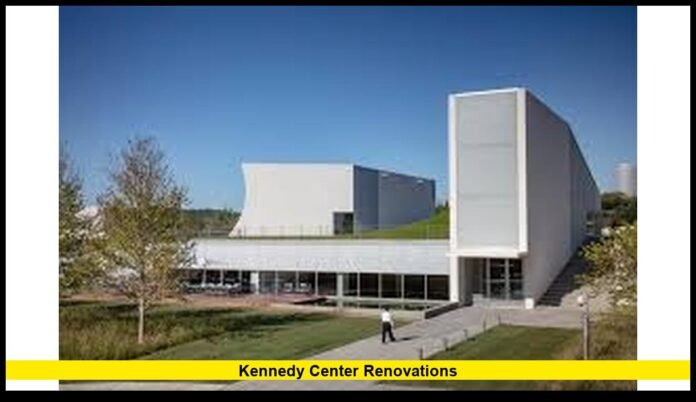

The Kennedy Center renovations are ushering in a new era for one of America’s most beloved performing arts venues. Nestled along the Potomac River in Washington, D.C., the John F. Kennedy Center for the Performing Arts has stood as a symbol of national culture and artistic excellence since its opening in 1971. Now, over fifty years later, the Center is undergoing one of its most comprehensive renovation efforts to date — a modernization project designed to preserve its architectural legacy while preparing it for the next generation of performers and audiences.
This sweeping transformation will ensure that the Kennedy Center remains a world-class stage for opera, symphony, theater, dance, and education, while also addressing decades-old infrastructure challenges and accessibility needs.
A New Chapter in the Kennedy Center’s Legacy
When President John F. Kennedy envisioned a national cultural center, he saw it as more than a performance venue — it was to be a place where art, innovation, and education could flourish side by side. Since its grand opening in 1971, the Kennedy Center has lived up to that mission, becoming a home for the National Symphony Orchestra, Washington National Opera, and numerous world-renowned productions.
But time has taken its toll. With an aging structure and evolving demands in technology, safety, and accessibility, it became clear that modernization was essential. The Kennedy Center renovations aim to breathe new life into this iconic institution while staying true to its historical roots.
Overview of the Renovation Plan
The multi-phase renovation plan includes comprehensive updates to performance halls, infrastructure systems, audience spaces, and the surrounding campus. It’s a blend of preservation and progress — ensuring that the Kennedy Center’s timeless architecture remains intact while improving comfort, safety, and efficiency for visitors and staff alike.
Key Objectives of the Renovation
- Enhance performance quality through acoustic and lighting upgrades.
- Modernize infrastructure, including HVAC, plumbing, and electrical systems.
- Improve accessibility for all patrons in compliance with ADA standards.
- Increase sustainability and energy efficiency throughout the facility.
- Preserve architectural integrity while revitalizing visitor experience.
The renovation is expected to unfold in phases to allow performances and events to continue with minimal disruption.
Major Components of the Kennedy Center Renovations
1. Revitalizing the Performance Spaces
At the heart of the Kennedy Center are its world-famous performance halls — the Opera House, the Eisenhower Theater, and the Concert Hall. Each venue is being carefully updated to meet 21st-century performance standards.
- Opera House: Known for its red velvet décor and golden chandeliers, the Opera House will see improved sightlines, modernized stage equipment, and state-of-the-art sound systems. Seating has also been redesigned for better comfort and accessibility.
- Concert Hall: The acoustic renovation of the Concert Hall is a major focus. New materials and sound reflectors are being installed to create richer and more balanced tones for orchestral performances.
- Eisenhower Theater: Often used for drama and modern productions, this space will receive lighting, rigging, and seating improvements to better accommodate touring shows and multimedia productions.
These updates will ensure that every performance — from ballet to Broadway — resonates with precision and clarity, enhancing the experience for both performers and audiences.
2. Infrastructure Upgrades and Energy Efficiency
Much of the Kennedy Center’s core infrastructure dates back to the 1970s. Decades of wear have taken a toll on its systems, prompting a large-scale replacement effort.
- HVAC Systems: New climate control systems will improve air quality and energy efficiency, ensuring both comfort and environmental responsibility.
- Electrical and Lighting: The lighting systems are being converted to LED fixtures throughout the building, significantly reducing energy use.
- Plumbing: Modern water-efficient plumbing fixtures are replacing outdated systems to support sustainability goals.
These behind-the-scenes upgrades may not be visible to visitors, but they are critical in keeping the Kennedy Center operational for decades to come.
3. Accessibility and Audience Experience
Accessibility is a major cornerstone of the renovation project. The Kennedy Center is committed to creating an inclusive environment that welcomes all visitors.
Upgrades include:
- Additional wheelchair-accessible seating across all theaters.
- Improved elevators and ramps for easier mobility between levels.
- Expanded and accessible restrooms near all performance venues.
- Hearing enhancement systems for patrons with hearing impairments.
Beyond accessibility, the renovation also focuses on elevating the overall audience experience. Wider hallways, enhanced signage, digital ticketing systems, and upgraded concession areas will make navigating the building smoother and more enjoyable.
4. Restoring the Iconic Exterior
The Kennedy Center’s exterior — with its distinctive white marble façade — is being meticulously cleaned, repaired, and polished. Over time, weathering and environmental factors have caused surface discoloration and wear.
The restoration effort will return the façade to its original brilliance while adding protective treatments to preserve it against future damage.
Additionally, the plaza and outdoor areas are being reimagined with new lighting, landscaping, and public seating, making the Kennedy Center campus a more welcoming and vibrant public space year-round.
5. The Reach Expansion and Integration
The Reach, an expansion opened in 2019, added over 72,000 square feet of flexible rehearsal, performance, and educational spaces. As part of the new renovation project, the Kennedy Center will better integrate The Reach with the main building through improved walkways, signage, and shared systems.
This connection will create a seamless flow between traditional performances and community-based arts programming — blending the Center’s classic and contemporary missions.
Funding and Federal Support
The scale of the Kennedy Center renovations reflects a deep national commitment to the arts. In 2025, Congress approved a $257 million capital funding package dedicated to restoring and modernizing the facility.
These funds are allocated to:
- Infrastructure repairs and modernization.
- Performance hall renovations.
- Sustainability and accessibility projects.
- Campus preservation and maintenance.
Federal funding covers a significant portion of the costs, while private philanthropy continues to support programming, arts education, and community initiatives during the renovation period.
This combination of public and private investment ensures that the Kennedy Center remains financially sustainable and publicly accountable.
Balancing Preservation with Innovation
Preserving the Kennedy Center’s architectural and cultural heritage has been a guiding principle throughout the renovation process. Designed by architect Edward Durell Stone, the building’s minimalist white design and modernist geometry make it one of Washington’s most recognizable landmarks.
Renovation teams are using specialized restoration methods to maintain Stone’s original aesthetic while subtly introducing modern materials and technology. The challenge lies in upgrading the structure without altering its distinctive identity — a balance of old and new that reflects the Kennedy Center’s mission itself.
Economic and Cultural Impact
Beyond the physical transformation, the renovation is also expected to bring significant economic and cultural benefits. The Kennedy Center attracts millions of visitors annually, making it one of Washington D.C.’s most important tourism drivers.
During the renovation period:
- The project will create hundreds of construction and engineering jobs.
- Increased tourism and visitor spending will boost the local economy.
- Enhanced facilities will attract larger and more diverse productions, broadening the Center’s artistic reach.
The renovated Kennedy Center will serve as a symbol of renewal — not only for the arts but for the cultural vitality of the nation’s capital.
Sustainability: Building for the Future
Sustainability plays a crucial role in the Kennedy Center renovations. The project follows federal sustainability guidelines, emphasizing environmental stewardship and energy efficiency.
Key initiatives include:
- Installation of high-efficiency HVAC systems to reduce carbon emissions.
- Use of LED lighting throughout all indoor and outdoor spaces.
- Introduction of smart sensors for temperature and energy control.
- Incorporation of recycled and low-impact materials in construction.
These improvements will help the Kennedy Center achieve lower operating costs and a smaller environmental footprint — aligning with its long-term commitment to sustainable practices.
Community Engagement and Educational Growth
The Kennedy Center is not just a venue for performances — it’s also a hub for education and community engagement. The renovation supports expanded programs for students, families, and artists through partnerships with schools, universities, and local arts organizations.
Renovated classrooms and studio spaces will allow the Kennedy Center to host more workshops, masterclasses, and cultural events. This educational emphasis ensures that the arts continue to inspire future generations.
What Audiences Can Expect Post-Renovation
When the renovation is complete, visitors will notice a Kennedy Center that feels both familiar and new. The grandeur of the marble halls, sweeping staircases, and elegant chandeliers will remain — but enhanced technology, comfort, and accessibility will elevate every visit.
Guests can look forward to:
- Enhanced sound and lighting quality across all venues.
- Comfortable seating and improved sightlines.
- Faster entry with digital ticketing and mobile navigation tools.
- A more inclusive, welcoming atmosphere for all audiences.
The Kennedy Center’s post-renovation era will represent the perfect marriage of history and progress — a reimagined space that celebrates both tradition and innovation.
A Cultural Landmark Reinvented
As the Kennedy Center renovations progress through 2025 and beyond, Washington D.C. is witnessing the rebirth of a national treasure. This is not just about restoring a building — it’s about preserving a legacy, empowering the arts, and reaffirming the Kennedy Center’s mission to connect the American spirit through performance and creativity.
The revitalized Kennedy Center will stand as a renewed tribute to President John F. Kennedy’s belief that “the life of the arts is close to the center of a nation’s purpose.” With each restored hall, improved system, and accessible pathway, that purpose continues to shine brighter than ever.
The Kennedy Center renovations mark the beginning of a new era for American arts and culture. Share your thoughts on the transformation below — and stay tuned as this landmark evolves for the generations to come.