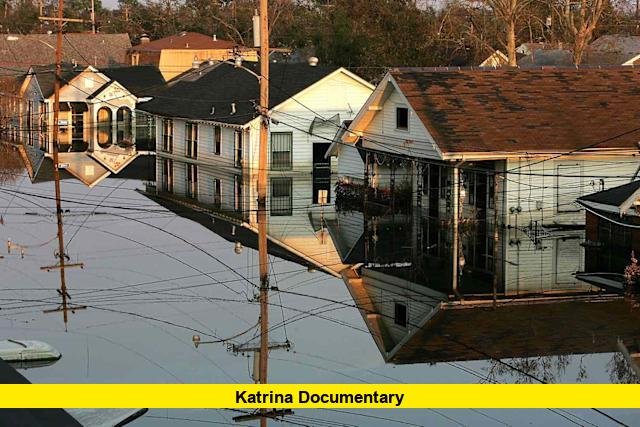

The katrina documentary world is making headlines this August 2025 with the release of two powerful new projects that revisit Hurricane Katrina through gripping narratives and newly uncovered accounts. Both productions arrive in time for the 20th anniversary of the storm, offering a mix of hard-hitting analysis and deeply emotional storytelling.
One of the most anticipated releases is Hurricane Katrina: Race Against Time, a five-part series from National Geographic. Premiering on July 27, it frames the hurricane not just as a natural disaster but as a layered story of political missteps, environmental neglect, and systemic injustice. Director Traci A. Curry brings together archival footage, personal accounts, and expert commentary to present a clear picture of how human error magnified the devastation. The series is now streaming on Disney+ and Hulu, drawing strong praise for its immersive pacing and thought-provoking structure.
Another project generating buzz is Katrina: Come Hell and High Water, a three-part Netflix docuseries scheduled to debut globally on August 27. Executive produced by Spike Lee, it leans heavily on survivor testimony, personal photos, and emotional reenactments to deliver a human-centered account of the disaster. The production highlights the courage and resilience of communities while exposing the systemic failures that left so many stranded in dangerous conditions. Stunning visual sequences, including photography from the ruined Lower Ninth Ward, make it a visually haunting experience.
Two Series, Two Distinct Lenses
While both series tackle the same historic event, they differ sharply in style and focus:
| Feature | Hurricane Katrina: Race Against Time | Katrina: Come Hell and High Water |
|---|---|---|
| Format | Five-part series | Three-part series |
| Release Date | July 27, 2025 | August 27, 2025 |
| Tone & Focus | Analytical, investigative, political failures | Emotional, survivor-driven storytelling |
| Key Creatives | Directed by Traci A. Curry | Exec-produced by Spike Lee |
| Visual Approach | Archival footage, expert commentary | Testimonial footage, historical photography |
| Core Themes | Policy breakdowns, racial inequities, climate risk | Memory, trauma, resilience, injustice |
This dual release offers viewers a unique opportunity to see the storm’s legacy from multiple angles—one grounded in forensic analysis, the other in personal testimony.
Why 2025 Is the Right Moment
The timing of these katrina documentary projects is no coincidence. Two decades later, Katrina remains a defining moment in American history, remembered for its catastrophic flooding, mass displacement, and staggering loss of life. For many survivors, the emotional wounds are still fresh, and these films serve as a platform for their voices.
The anniversary also arrives amid renewed global focus on climate change and disaster preparedness. The storm’s history is now studied not just as a past tragedy but as a warning about how environmental threats intersect with inequality. Viewers in 2025 can draw unsettling parallels between the failures seen in Katrina’s aftermath and the challenges posed by more recent disasters.
What Viewers Can Expect
Hurricane Katrina: Race Against Time invites audiences to examine the storm through a meticulous, almost investigative lens. It digs into how infrastructure neglect, bureaucratic indecision, and political hesitation contributed to the crisis. It’s as much about human decision-making as it is about the hurricane itself.
Katrina: Come Hell and High Water, on the other hand, is an emotional journey. Survivors share firsthand accounts of the chaos, heartbreak, and small moments of heroism that defined their experience. Rather than focusing on policy, it leans into the human cost—children separated from parents, families losing everything, and communities struggling to rebuild.
Cultural Impact and Conversations Ahead
Together, these documentaries reignite national conversations about responsibility, resilience, and reform. They challenge viewers to ask hard questions: Could it happen again? Have we learned enough from the past? And most importantly, are vulnerable communities any safer now?
These are not just retrospectives; they are calls to action. By combining the raw human experience with in-depth analysis, the two series create a fuller, more honest picture of Hurricane Katrina’s legacy.
Both productions promise to leave a lasting mark on how the story of Katrina is remembered in public consciousness. Whether you approach the anniversary through the lens of investigation or emotion, these documentaries will ensure that the lessons—and the people—are not forgotten.
The conversation around Hurricane Katrina is far from over, and with these new releases, 2025 might be the year more people than ever confront the storm’s lasting impact. Share your thoughts, memories, or reflections in the comments below—your voice is part of the story too.