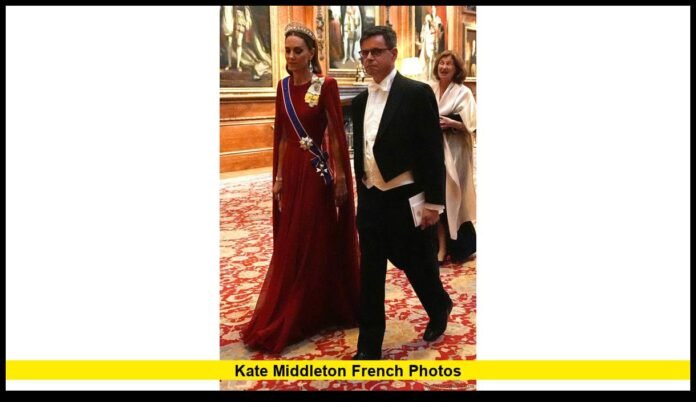

Kate Middleton French photos remain a defining royal news story after a French court ruled in favor of the Princess of Wales over unauthorized vacation images, reinforcing privacy protections for public figures in 2026.
The decision marked a significant moment in the ongoing conversation about media boundaries and personal rights. It also renewed attention in the United States, where interest in the British royal family continues to run high.
The French Court’s Privacy Decision
In late 2025, a French judicial court delivered its ruling in a case involving photographs taken during a private family holiday in the French Alps. The images, captured with a long-range lens, were later published in a French magazine without consent.
Judges determined that the photos violated the privacy of the Princess of Wales and her family. The court emphasized that public figures retain rights to personal and family life, especially when not engaged in official duties.
This ruling reinforced France’s strong privacy protections. It also highlighted legal standards that distinguish between public interest reporting and intrusive photography.
How the Dispute Began
The Kate Middleton French photos controversy began when images from a private Alpine vacation surfaced in a French publication. The photographs showed the Princess of Wales during personal time with her family.
Unlike official portraits or public engagement images, these photos were not authorized by the royal household. Their publication sparked immediate debate across Europe and the United States.
Prince William and Catherine, Princess of Wales, pursued legal action shortly after the images appeared. Their case focused on privacy violations rather than defamation.
The court sided with the couple, affirming that even globally recognized individuals deserve protection from unauthorized surveillance in private settings.
Why the Case Matters Internationally
This ruling carries broader implications beyond one royal dispute. It strengthens legal precedent around privacy rights for public figures across Europe.
Key points from the case include:
- Public recognition does not erase personal privacy.
- Private vacations are legally distinct from public appearances.
- Media outlets must justify publication when images are taken without consent.
Legal observers believe the judgment could influence similar cases involving celebrities, politicians, and other high-profile individuals.
In the U.S., where paparazzi culture often dominates celebrity coverage, the case has fueled discussion about whether American privacy laws should evolve further.
Official French Engagements Tell a Different Story
While unauthorized vacation photos triggered litigation, officially sanctioned French-related appearances by the Princess of Wales have been widely celebrated.
In 2025, Catherine joined Prince William in welcoming French President Emmanuel Macron and Brigitte Macron during a formal state visit to the United Kingdom.
Images from those engagements received global attention. During the visit, the Princess wore a pale-pink Christian Dior ensemble that drew significant fashion commentary. Later, at a state banquet at Windsor Castle, she appeared in a deep red Givenchy gown paired with the historic Lover’s Knot Tiara.
These official Kate Middleton French photos symbolized diplomatic goodwill between the United Kingdom and France. They also demonstrated how consent and context define acceptable media coverage.
The difference between authorized state images and covert holiday photographs underscores the central issue in the legal case: control over private life.
The Role of Media Ethics in 2026
The debate surrounding the Kate Middleton French photos has expanded into broader conversations about media responsibility.
In today’s digital era, images can circulate globally within seconds. Social platforms amplify content rapidly, often before legal challenges can respond.
Journalism experts stress the importance of balancing freedom of the press with respect for personal boundaries. Courts increasingly draw that line more clearly when children and family settings are involved.
The ruling serves as a reminder that ethical standards matter as much as legal ones.
Public Reaction in the United States
American audiences continue to follow developments involving the British royal family closely. Stories about the Princess of Wales often trend across major news platforms and social media networks.
Many U.S. commentators viewed the French court’s decision as a strong defense of family privacy. Others framed it as a necessary correction in an age when technology makes long-distance surveillance easier than ever.
The case also reinforces Catherine’s broader public image. She remains one of the most photographed women in the world, yet she consistently maintains a careful separation between official visibility and personal life.
A Defining Moment for Royal Privacy
The outcome of the legal battle represents more than a single court win. It signals a continued effort by the royal household to establish clearer boundaries.
Throughout her public role, the Princess of Wales has embraced transparency during official duties. She regularly participates in charitable events, diplomatic engagements, and public ceremonies.
However, the French ruling confirms that private vacations and family moments fall outside that sphere.
Observers believe the decision may discourage future attempts to publish intrusive images. It also strengthens legal awareness among media organizations operating across borders.
Looking Ahead
As of 2026, no new legal developments have altered the court’s decision. The case stands as one of the most notable royal privacy rulings in recent years.
Public interest in the Princess of Wales remains strong, especially during high-profile diplomatic events involving France. Yet the boundaries established by the French court continue to shape how media outlets approach coverage.
The Kate Middleton French photos case ultimately underscores a simple truth: visibility does not eliminate the right to privacy.
What are your thoughts on where media freedom should end and personal privacy should begin? Share your perspective and stay updated as this important conversation continues.