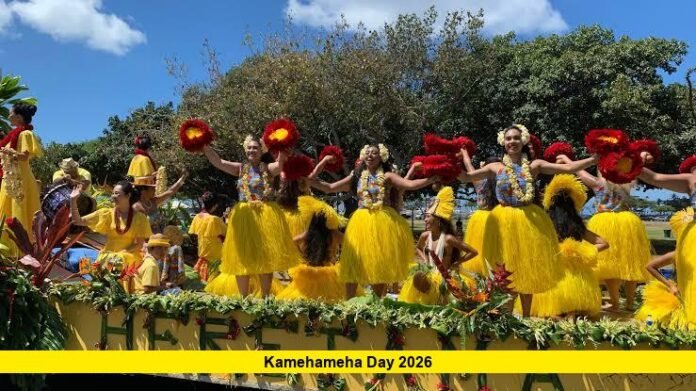

Hawaii will mark Kamehameha Day 2026 on Thursday, June 11, with ceremonies, parades, cultural performances, and community gatherings honoring the ruler who united the Hawaiian Islands into a single kingdom. Observed as an official state holiday, the annual event remains one of the most meaningful dates on Hawaii’s calendar, reflecting both historical significance and cultural pride.
The holiday recognizes the achievements of King Kamehameha I, whose leadership transformed the islands and laid the foundation for a unified Hawaiian nation. Across the state, residents are expected to participate in traditions that have been passed down through generations, ensuring that the story of Hawaii’s first great monarch continues to be remembered.
A Holiday Rooted in Hawaiian History
Kamehameha Day stands apart from many public holidays because it focuses on a single individual whose influence permanently changed the course of Hawaiian history. King Kamehameha I emerged as a powerful leader during a period when the islands were divided among rival chiefs and kingdoms.
Through a combination of military strategy, political alliances, and strong governance, he succeeded in bringing the islands under one rule. His accomplishments created a more stable political system and established the Kingdom of Hawaii, a milestone that continues to shape the state’s cultural identity today.
The holiday serves not only as a remembrance of those achievements but also as an opportunity to celebrate the traditions and values that remain important to Native Hawaiian communities.
Why the Celebration Continues to Matter
More than two centuries after the unification of the islands, King Kamehameha I remains a symbol of leadership, determination, and national unity. For many residents, the annual observance provides a chance to reflect on Hawaii’s past while also strengthening cultural connections in the present.
Educational programs, community activities, and public events often accompany the holiday, helping younger generations understand the significance of Hawaiian history. Schools, cultural organizations, and local leaders frequently use the occasion to highlight the importance of preserving traditions, language, and heritage.
As interest in Hawaiian culture continues to grow among visitors and residents alike, the holiday has become an important platform for sharing the stories and customs that define the islands.
Traditional Ceremonies Draw Large Crowds
One of the most anticipated aspects of the celebration is the ceremonial draping of King Kamehameha statues with flower leis. These events are held at prominent locations across Hawaii and are considered among the most recognizable traditions associated with the holiday.
Volunteers, cultural practitioners, and community members often spend hours preparing elaborate floral arrangements. Long strands of fresh flowers are carefully placed around the statues, creating colorful displays that symbolize respect and gratitude.
The ceremonies attract spectators from around the world and provide a visual reminder of the enduring admiration Hawaiians have for their historic leader.
Parades Showcase Community Spirit
Parades remain a central feature of the annual observance. Participants often include schools, local organizations, marching bands, cultural groups, horseback riders, and civic leaders.
The events blend modern community celebrations with traditional Hawaiian elements, creating an atmosphere that reflects both history and contemporary island life. Families line parade routes to watch performances and support participants who help keep cultural traditions visible and relevant.
For many communities, parade day is one of the highlights of the year, bringing together residents from diverse backgrounds in a shared celebration of Hawaiian heritage.
Cultural Performances Take Center Stage
Throughout the holiday, visitors and residents can expect to see a wide range of cultural activities. Traditional Hawaiian music and hula performances frequently form the centerpiece of local events.
Artists, musicians, dancers, and cultural educators often use the occasion to showcase skills that have been preserved through generations. Demonstrations may include lei-making, traditional crafts, storytelling, and presentations about Hawaiian customs.
These events help create a deeper understanding of the islands’ unique cultural landscape while providing entertainment for audiences of all ages.
Tourism and Local Businesses Benefit
The holiday also contributes to Hawaii’s tourism economy. Travelers visiting the islands in June often seek opportunities to experience authentic cultural events, and Kamehameha Day celebrations provide a unique window into local traditions.
Hotels, restaurants, shops, and tour operators frequently see increased activity as visitors participate in holiday-related events. Cultural festivals and public gatherings often encourage spending in local communities while introducing travelers to Hawaiian history and customs.
Tourism officials have increasingly emphasized cultural experiences as a key part of Hawaii’s appeal, making holidays like this an important attraction for visitors.
The Ongoing Influence of King Kamehameha I
The legacy of King Kamehameha I extends far beyond historical accounts. His leadership continues to inspire discussions about governance, unity, and cultural identity throughout Hawaii.
Many schools, institutions, and organizations bear his name, reflecting the lasting respect for his achievements. His story remains a fundamental part of educational curricula and cultural programs across the state.
For Native Hawaiians, his accomplishments are often viewed as a source of pride and resilience. The principles associated with his leadership continue to resonate in conversations about preserving Hawaiian traditions and strengthening community bonds.
Communities Prepare for Kamehameha Day 2026 Events
As Kamehameha Day 2026 approaches, organizers across the islands are preparing a variety of public celebrations designed to honor the holiday’s significance. Community groups, cultural organizations, and local governments are expected to coordinate events that highlight history, music, art, and tradition.
Residents often begin planning weeks in advance, with volunteers helping organize parades, decorate venues, and support educational programs. The collective effort demonstrates the strong community commitment to preserving and celebrating Hawaiian heritage.
The holiday continues to evolve while remaining deeply connected to its historical roots, allowing each generation to participate in honoring Hawaii’s past.
A Day That Unites Hawaii
While Hawaii is known globally for its natural beauty, Kamehameha Day serves as a reminder that the state’s identity is also deeply connected to its history and people. The annual observance brings communities together to celebrate a leader whose vision helped shape the islands into a unified kingdom.
Through ceremonies, performances, educational activities, and public gatherings, the holiday offers an opportunity to honor the past while strengthening cultural connections for the future. As June 11 approaches, Hawaii once again prepares to celebrate a legacy that continues to inspire pride across the islands.