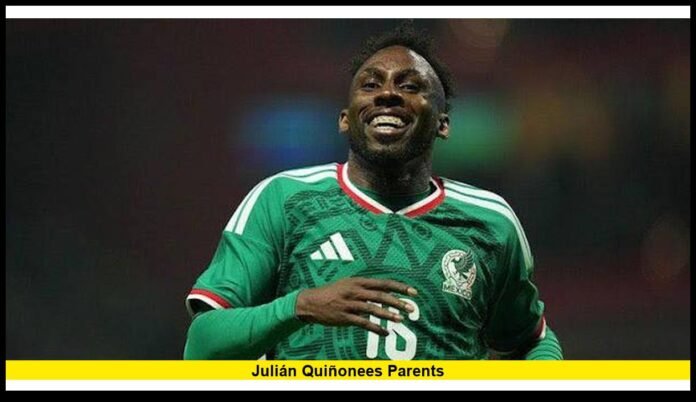

Football fans across North America continue to search for information about julián quiñones parents as the talented forward enjoys success at both club and international level. Born in Colombia before becoming a naturalized Mexican citizen, Julián Quiñones has inspired supporters with his remarkable journey from humble beginnings to professional football. While he has become one of the most recognizable attackers in the region, he has also remained highly protective of his private life, especially when it comes to his family.
Although verified public information about his parents is limited, his upbringing clearly played a major role in shaping the player and person he has become. From growing up in Colombia to building an impressive career in Liga MX and representing Mexico on the international stage, Quiñones’ story reflects determination, discipline, and perseverance.
Key Points Summary
╔════════════════════════════════════════════════════════════════════╗
║ – Julián Quiñones was born in Magüí Payán, Nariño, Colombia, on March 24, 1997. ║
║ – He has never publicly revealed the identities of his parents. ║
║ – His family is believed to have supported his football ambitions from childhood. ║
║ – He became a naturalized Mexican citizen after establishing himself in Liga MX. ║
║ – Quiñones continues to keep his personal and family life away from public attention. ║
╚════════════════════════════════════════════════════════════════════╝
A Footballer Who Values Privacy
Despite playing for some of Mexico’s biggest clubs and earning international recognition, he rarely discusses matters unrelated to football. Instead, his public appearances focus on training, matches, teammates, and career goals rather than family details.
This approach has naturally created curiosity among supporters eager to learn more about the people who helped shape his journey.
What Is Known About His Parents?
When discussing julián quiñones parents, it is important to separate confirmed information from speculation.
As of today, Quiñones has not publicly identified either his mother or father by name. There are no verified interviews in which he has shared extensive details about their professions, personal backgrounds, or current lives.
This decision appears intentional rather than accidental. Throughout his professional career, he has consistently protected the privacy of his immediate family.
Unlike many athletes who regularly feature parents or siblings in documentaries or social media posts, Quiñones has maintained clear boundaries between his professional achievements and his personal relationships.
Because of that privacy, football supporters should rely only on confirmed information rather than unverified reports circulating online.
Growing Up in Colombia
Julián Andrés Quiñones Quiñones was born on March 24, 1997, in Magüí Payán, a municipality in Colombia’s Nariño Department.
The region is known for its vibrant culture, beautiful natural surroundings, and communities where football is one of the most popular sports. Like countless children across South America, Quiñones developed a love for the game at an early age.
Street football, neighborhood competitions, and local youth matches helped him develop the technical ability and creativity that would later become defining features of his playing style.
Life in many Colombian communities requires resilience, and young athletes often learn valuable lessons about discipline and persistence long before entering professional academies.
These early experiences helped prepare Quiñones for the demanding world of elite football.
Early Passion for Football
From childhood, football became much more than a hobby.
Those who eventually become professionals often spend countless hours practicing basic skills, improving fitness, and competing against older players.
Quiñones followed a similar path, showing exceptional athletic ability while still young.
His speed quickly became one of his greatest strengths, but coaches also noticed his willingness to work hard during training sessions.
Rather than relying solely on natural talent, he gradually improved his technical skills, finishing ability, and tactical understanding of the game.
These qualities would later make him one of Liga MX’s most dangerous attacking players.
The Importance of Family Support
Although specific stories about his parents remain private, every successful football career typically involves considerable family encouragement.
Young athletes depend on parents or guardians in numerous ways during their development.
Support often includes:
- Transportation to practices and matches
- Purchasing football equipment
- Providing emotional encouragement
- Helping balance education with athletics
- Motivating children after disappointing performances
- Celebrating milestones and achievements
While Quiñones has not publicly discussed these experiences, reaching professional football generally requires years of consistent support from family members.
His rise suggests that he benefited from an environment that encouraged dedication and perseverance.
Taking the Next Step
As his talent became increasingly obvious, opportunities emerged beyond local football.
Eventually, Quiñones made the life-changing decision to pursue professional opportunities in Mexico.
Moving to another country as a teenager is never simple.
Young players must adjust to new cultures, unfamiliar teammates, different coaching methods, and increased expectations.
For many athletes, this transition determines whether they ultimately succeed or return home.
Quiñones embraced the challenge.
Arrival in Mexican Football
Mexico proved to be the ideal environment for his continued development.
After joining the youth structure connected with Tigres UANL, he adapted quickly to the country’s competitive football culture.
Coaches immediately recognized several important qualities:
- Outstanding acceleration
- Physical strength
- Direct attacking instincts
- Strong work ethic
- Confidence in one-on-one situations
His progress through youth football demonstrated that he possessed the attributes necessary to compete professionally.
Soon afterward, he began earning opportunities at senior level.
Developing Into a Complete Forward
As his experience increased, Quiñones evolved from a promising young attacker into a complete modern forward.
His versatility became one of his greatest strengths.
Depending on tactical requirements, he could play as:
- Central striker
- Left winger
- Right winger
- Supporting forward
His ability to operate across multiple attacking positions made him valuable to every manager who coached him.
In addition to scoring goals, he contributed through pressing defenders, creating chances, and stretching opposing back lines with intelligent movement.
Success Across Liga MX
Quiñones gradually established himself among the league’s most consistent performers.
His career included important spells with several respected clubs, where he continued refining every aspect of his game.
Supporters admired his willingness to chase difficult balls, battle defenders physically, and remain composed inside the penalty area.
His performances frequently influenced important matches, helping clubs compete for domestic trophies.
Season after season, he became recognized as one of Liga MX’s most dependable attacking players.
Championship Moments
Winning championships represents the ultimate objective for professional footballers.
Quiñones enjoyed several memorable campaigns that resulted in major domestic honors.
Success at club level further enhanced his reputation throughout Mexican football.
Championship-winning teams require more than talented individuals.
Players must also demonstrate consistency, teamwork, discipline, and the ability to perform under pressure.
Quiñones repeatedly proved capable of delivering in high-stakes matches, earning praise from coaches, teammates, and supporters alike.
Becoming a Mexican Citizen
One of the most significant milestones in his life occurred when he became a naturalized Mexican citizen.
Having spent years playing professionally in the country, he established deep connections with Mexican football and its supporters.
Naturalization eventually opened the door to representing the Mexican national team.
The decision attracted widespread discussion because Quiñones had originally represented Colombia during parts of his youth career before later becoming eligible for Mexico.
His international career reflects both his Colombian roots and the opportunities provided by his adopted country.
International Recognition
Representing a national team marks one of the highest achievements in football.
After receiving his opportunity with Mexico, Quiñones joined experienced internationals in one of CONCACAF’s strongest squads.
International football presents unique challenges.
Players have limited preparation time before competing against elite opponents.
Despite these demands, Quiñones adapted successfully by applying the same work ethic that defined his club career.
His pace, pressing ability, and attacking intelligence added valuable depth to Mexico’s offensive options.
Why Fans Are Curious About His Family
Football supporters naturally become interested in the personal stories behind successful athletes.
Knowing where players come from often helps fans appreciate the sacrifices required to reach the professional level.
For Quiñones, however, curiosity has been balanced by respect for his privacy.
Because he rarely discusses relatives publicly, supporters have learned relatively little about his parents compared with many other international footballers.
That privacy has remained consistent throughout every stage of his career.
Social Media Presence
Although Quiñones maintains an active online presence, his accounts focus primarily on football.
Typical posts include:
- Matchday photographs
- Training sessions
- Team celebrations
- Trophy presentations
- Fitness work
- Community activities
- Sponsor collaborations
Family photographs appear only rarely.
This consistent approach reinforces his preference for separating professional achievements from private life.
Personality Away From Football
Teammates and coaches have frequently described Quiñones as hardworking and focused.
Rather than seeking constant media attention, he appears more comfortable allowing his performances on the pitch to speak for themselves.
This professionalism has helped him earn respect inside dressing rooms throughout his career.
Remaining disciplined off the field has also contributed to his continued development as one of the league’s most effective forwards.
His Lasting Colombian Heritage
Although he now represents Mexico internationally, Quiñones continues to embrace his Colombian heritage.
Growing up in Colombia influenced both his personality and playing style.
South American football traditionally emphasizes creativity, technical ability, flair, and confidence in possession.
These characteristics remain evident whenever Quiñones attacks defenders or creates scoring opportunities.
His career illustrates how players can successfully combine different football cultures while remaining proud of their origins.
Career Highlights
Throughout his professional journey, Quiñones has accumulated an impressive list of achievements.
Some of the most notable milestones include:
- Establishing himself in Liga MX
- Winning major domestic trophies
- Becoming one of the league’s leading attacking players
- Earning Mexican citizenship
- Representing the Mexican national team
- Building a reputation for consistency and versatility
Each accomplishment reflects years of dedication rather than overnight success.
Frequently Asked Questions
Who are Julián Quiñones’ parents?
Their identities have not been publicly disclosed. Quiñones has consistently chosen to keep details about his family private.
Where was Julián Quiñones born?
He was born in Magüí Payán, Nariño, Colombia, on March 24, 1997.
Why did Julián Quiñones become a Mexican citizen?
After building a successful professional career in Mexico, he became a naturalized citizen, making him eligible to represent the Mexican national team.
Has he spoken publicly about his mother or father?
Only limited information has been shared publicly. He generally avoids discussing family matters in interviews.
Does he share family photos online?
His social media accounts focus mainly on football, with very few public posts featuring relatives.
Final Thoughts
The continued interest in julián quiñones parents reflects the admiration football fans have for one of North America’s standout forwards. Even though the identities of his mother and father remain private, their influence can be seen through the values that have guided his career. From his early days in Colombia to becoming a champion in Liga MX and representing Mexico on the international stage, Quiñones has built his reputation through dedication, professionalism, and consistent performances. His story serves as an example that success often begins with strong support at home, even when that support remains outside the public spotlight.
What do you think has been the biggest turning point in Julián Quiñones’ career? Share your thoughts in the comments and follow us for more football news and player profiles.