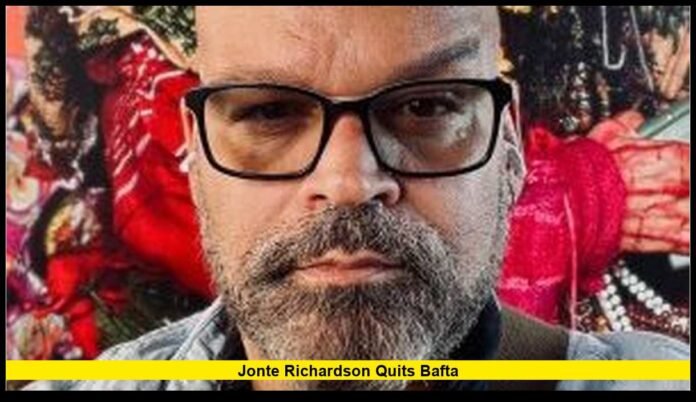

Jonte Richardson quits BAFTA after stepping down from the organization’s emerging-talent jury, citing concerns over how the academy handled a broadcast moment in which an unedited slur aired. The resignation has intensified industry debate about editorial responsibility, institutional accountability, and support for Black creatives.
Richardson’s decision to leave the British Academy of Film and Television Arts talent jury places renewed attention on how major entertainment bodies respond when controversies affect marginalized communities. The move quickly became a focal point for conversations about trust, representation, and the responsibilities tied to influential cultural institutions.
Reason Behind the Resignation
Jonte Richardson confirmed the decision to exit the emerging-talent jury after expressing disappointment with the academy’s response to the broadcast incident. The controversy involved offensive language that was not edited before airing, prompting criticism across creative circles.
The key concerns highlighted include:
- Failure to prevent harmful language from being broadcast
- Questions about internal editorial oversight
- Expectations for stronger institutional response
Richardson framed the resignation as a response to what was seen as insufficient action following the incident, particularly regarding the impact on Black creatives connected to the industry.
Emerging-talent juries play a significant role in identifying new voices. That context made the resignation especially notable.
The Broadcast Controversy Explained
The incident that triggered the resignation involved a BAFTA-related broadcast segment where a slur aired without being removed. The clip circulated widely and prompted immediate discussion among industry professionals and audiences.
The controversy raised several issues:
- Editorial processes surrounding recorded programming
- The timeline of institutional response
- Broader questions about safeguards in awards-show content
For many creatives, the moment highlighted the gap that can exist between public diversity commitments and operational execution.
Richardson’s departure therefore became part of a larger conversation about standards in industry programming.
BAFTA’s Influence in Talent Development
BAFTA holds global influence across film and television, and its talent initiatives help shape early career opportunities. Participation in emerging-talent programs often signals recognition that can lead to funding, mentorship, and visibility.
The jury Richardson left contributes to:
- Selecting rising filmmakers and creators
- Highlighting new storytelling voices
- Reflecting institutional priorities around representation
Because of that impact, changes within these programs attract industry attention. A resignation from a jury member involved in advocacy can signal deeper concerns about institutional culture.
Industry Reaction and Ongoing Debate
Entertainment professionals responded with a mix of support, reflection, and debate. Many creatives viewed the resignation as a statement about accountability, while others emphasized the importance of continued engagement within institutions.
Common themes in reaction include:
- Calls for stronger editorial safeguards
- Recognition of emotional labor placed on advocates
- Debate over reform from inside versus outside organizations
The discussion also highlighted how public controversies can affect confidence in talent programs designed to support emerging voices.
Richardson’s decision added urgency to those conversations.
Representation and Accountability in Awards Institutions
Major awards organizations have faced sustained pressure to demonstrate measurable progress on representation. Talent initiatives sit at the center of that effort because they influence early recognition and long-term industry access.
Recent industry priorities have included:
- Expanding diverse participation in juries
- Strengthening development pathways
- Increasing transparency around decision-making
However, broadcast controversies can challenge perceptions of progress. Richardson’s statement that the academy failed Black creatives reflects broader concerns about whether responses match public commitments.
Maintaining trust remains a central issue for cultural institutions.
Potential Impact on BAFTA Programs
A single resignation does not halt talent programs, yet it can influence both perception and internal review. Moments like this often lead organizations to reassess procedures and communication strategies.
Possible areas of focus include:
- Reviewing editorial review workflows
- Evaluating support structures for jury members
- Clarifying public response protocols during controversies
Talent initiatives rely heavily on credibility. When respected advocates step away, institutions often face pressure to demonstrate corrective steps.
Richardson’s exit therefore carries symbolic and practical implications.
Awards Shows and Editorial Responsibility
The broader awards landscape has experienced similar challenges involving broadcast errors and representation debates. These incidents frequently shape industry expectations for oversight and accountability.
Key challenges include:
- Managing recorded and live content standards
- Responding quickly without minimizing impact
- Protecting the credibility of talent-focused initiatives
Because awards organizations influence visibility and career momentum, editorial missteps can extend beyond a single broadcast moment.
Richardson’s resignation highlights the importance of preventative safeguards as well as meaningful response.
What the Industry Is Watching Now
Following the resignation, attention has shifted toward how institutions address concerns raised by creatives involved in talent programs. Industry observers expect continued dialogue around standards and communication.
Areas of focus moving forward include:
- Clearer editorial protocols
- Engagement with affected creative communities
- Transparency around corrective actions
The conversation reflects a broader shift in expectations for accountability across entertainment organizations.
Richardson’s decision contributes to that ongoing industry evolution.
Why the Story Matters for U.S. Readers
Although BAFTA operates from the United Kingdom, its influence extends across the global entertainment ecosystem, including Hollywood and independent U.S. film.
BAFTA recognition often intersects with:
- Awards-season momentum in the United States
- International collaboration opportunities
- Visibility for U.S. creators working globally
Debates about representation and institutional response therefore resonate strongly with American audiences and professionals.
Richardson’s resignation reflects industry-wide questions about trust, inclusion, and standards.
Conclusion
Jonte Richardson quits BAFTA during a period when entertainment institutions face heightened scrutiny over editorial decisions and meaningful inclusion. The resignation underscores how talent-development spaces depend on trust and clear accountability when controversies arise.
As discussions continue across the industry, the lasting impact of this decision will depend on how institutions translate public commitments into operational change.
What do you think this resignation means for emerging creatives and awards institutions? Share your thoughts and follow for updates.