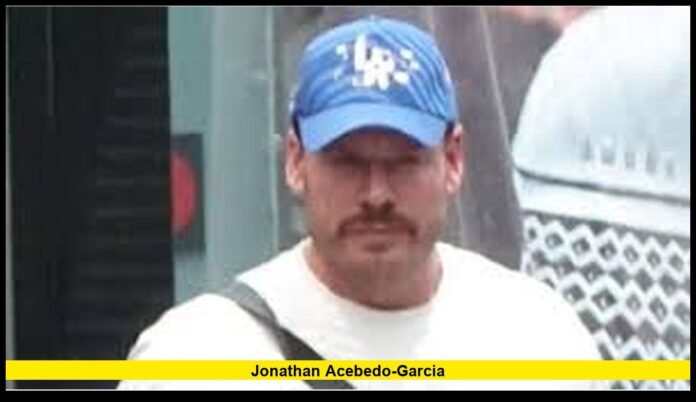

Jonathan Acebedo-Garcia emerged as a central figure in one of the most serious international drug trafficking investigations connected to U.S. federal authorities, and his killing in early 2025 continues to influence prosecutions, arrests, and cross-border law enforcement operations. His death did not end the case. Instead, it intensified it, expanding the scope of criminal charges and drawing global attention to the risks faced by cooperating witnesses in transnational crime cases.
This article takes a comprehensive look at the life, cooperation, assassination, and ongoing legal impact surrounding Jonathan Acebedo-Garcia, based strictly on confirmed developments and current case status.
A Complex Background Shaped by Two Countries
Jonathan Acebedo-Garcia held dual Canadian and Colombian citizenship and spent much of his adult life moving between North America and Latin America. His early years were tied to Montreal, where he became familiar with both legitimate business ventures and criminal circles operating on the margins of international trade.
Over time, his activities shifted deeper into the drug trade. He developed relationships with individuals involved in cocaine distribution and cross-border logistics. These connections eventually placed him inside an international narcotics network that moved product through multiple countries and relied on violence, secrecy, and financial complexity to survive.
His position within this environment gave him access few outsiders could obtain.
From Insider to Federal Cooperator
By 2023, mounting legal pressure led Jonathan Acebedo-Garcia to cooperate with U.S. authorities. His decision marked a turning point, not only for his own life but also for a sweeping investigation into a powerful drug trafficking organization.
Federal agents viewed his cooperation as critical. He possessed direct knowledge of:
- Drug transportation routes from South America
- Distribution corridors through Mexico and the United States
- Communication structures used by high-ranking traffickers
- Financial methods used to move and conceal profits
Rather than offering limited information, he provided ongoing cooperation. Investigators used his insights to corroborate intelligence, verify surveillance data, and strengthen criminal cases already under development.
The Network Under Investigation
At the heart of the case was a transnational organization accused of moving large quantities of cocaine into North American markets. The group operated across borders and used compartmentalized roles to reduce exposure.
The alleged leader of the network was a former elite athlete whose public image sharply contrasted with his suspected criminal role. Prosecutors accused him of overseeing logistics, approving shipments, and authorizing violence to protect the operation.
Jonathan Acebedo-Garcia’s cooperation was seen as especially damaging to this network because it exposed internal operations and decision-making processes rather than isolated transactions.
Growing Risks and Limited Protection
As his cooperation deepened, the risks increased. Witnesses tied to international drug cases face unique dangers, particularly when they operate outside the United States.
Unlike domestic cases, protective measures abroad are limited. Local jurisdictions, language barriers, and intelligence leaks can weaken safeguards. Despite awareness of these risks, Acebedo-Garcia continued to travel and operate internationally.
This reality would soon have deadly consequences.
The Assassination in Colombia
On January 31, 2025, Jonathan Acebedo-Garcia was shot and killed while sitting at a restaurant in Medellín, Colombia. The attack was swift, targeted, and carried out in a public setting.
Witnesses reported that gunmen approached and fired multiple shots before escaping. Authorities quickly ruled out robbery or random violence. The killing bore the hallmarks of an organized hit.
News of his death immediately reached U.S. investigators, who confirmed he was actively cooperating in a federal case at the time.
Immediate Law Enforcement Response
Within hours, the killing was treated as an international incident. Colombian authorities secured the scene, while U.S. agencies initiated parallel investigations.
Officials described the murder as a deliberate attempt to silence a witness and disrupt an active prosecution. From a legal standpoint, this elevated the case from drug trafficking to obstruction of justice and murder conspiracy.
Investigators began retracing communications, financial activity, and digital footprints connected to Acebedo-Garcia in the weeks leading up to his death.
Impact on Federal Prosecutions
The loss of a cooperating witness is always significant. In this case, it forced prosecutors to adjust their strategy.
While Jonathan Acebedo-Garcia was no longer able to testify, authorities confirmed that his cooperation had already produced substantial evidence. Recorded communications, seized materials, and corroborating witnesses remained part of the case.
Rather than weakening the prosecution, the killing added a new layer of criminal exposure for those involved.
Murder as Part of a Broader Conspiracy
Later in 2025, federal prosecutors confirmed that the assassination was not an isolated act. New charges alleged that the killing was ordered as part of a coordinated effort involving multiple individuals across different countries.
The filings described a plan designed to eliminate a witness and intimidate others who might consider cooperating with law enforcement. This expanded the scope of the case dramatically.
Those charges carried severe penalties, reflecting the seriousness of murdering a federal cooperating witness.
Digital Footprints and Online Involvement
One of the most disturbing aspects of the case involved the alleged use of online platforms to identify and locate Acebedo-Garcia.
Investigators uncovered digital content that highlighted his role as a cooperator and included language encouraging violence against informants. This information, authorities allege, helped accelerate the plot against him.
As a result, additional charges were filed related to facilitating the murder through online exposure and incitement.
An Expanding International Manhunt
As the investigation widened, law enforcement agencies across North America and Latin America coordinated efforts to dismantle the broader criminal network.
Raids linked to the case resulted in the seizure of:
- Luxury vehicles
- Firearms and ammunition
- Narcotics
- Cash and high-value assets
These actions were designed to weaken the organization financially and limit its ability to carry out further violence.
The Fugitive Leader Remains at Large
The alleged head of the trafficking organization remains a fugitive. Authorities have intensified efforts to locate him, offering one of the largest active rewards for information leading to his capture.
Officials believe he has relied on false identities, encrypted communications, and protection from criminal allies to evade arrest. Despite this, investigators report steady progress in narrowing his movements.
His continued absence has not stopped prosecutions tied to his network.
Why Jonathan Acebedo-Garcia Still Matters
Months after his death, Jonathan Acebedo-Garcia remains central to the case. His cooperation shaped investigative strategies and revealed how deeply interconnected modern drug trafficking has become.
His murder also highlighted the real risks faced by those who choose to assist law enforcement. It exposed vulnerabilities in international witness safety and raised difficult questions about protection across borders.
Legal Consequences Beyond Drug Charges
The case now includes allegations of:
- Drug trafficking
- Murder conspiracy
- Obstruction of justice
- Witness intimidation
These added layers increase potential sentences and broaden accountability beyond those directly involved in narcotics distribution.
Federal prosecutors have made clear that retaliation against witnesses will be pursued aggressively, regardless of where it occurs.
Ongoing Status as of Today
As of today:
- Multiple defendants have been charged in connection with the drug network and the killing
- Investigations remain active in several countries
- Additional indictments are possible
- Asset seizures and arrests continue
- The international manhunt remains ongoing
No part of the case has been closed.
A Lasting Impact on Law Enforcement Strategy
Jonathan Acebedo-Garcia’s case is now referenced internally as an example of how transnational crime operates in the modern era. Criminal organizations move quickly, communicate globally, and react violently when threatened.
In response, law enforcement agencies are reassessing how they manage cooperating witnesses whose cases cross borders.
Conclusion
Jonathan Acebedo-Garcia’s life and death sit at the intersection of crime, cooperation, and consequence. His decision to assist authorities exposed a powerful criminal operation but also placed him in extraordinary danger.
The investigation he helped advance continues to unfold, with legal actions, arrests, and international coordination still underway.
The case remains a sobering reminder of the human cost behind global criminal investigations, and its next chapter has yet to be written. Readers are encouraged to share their perspectives and stay alert for further developments.